

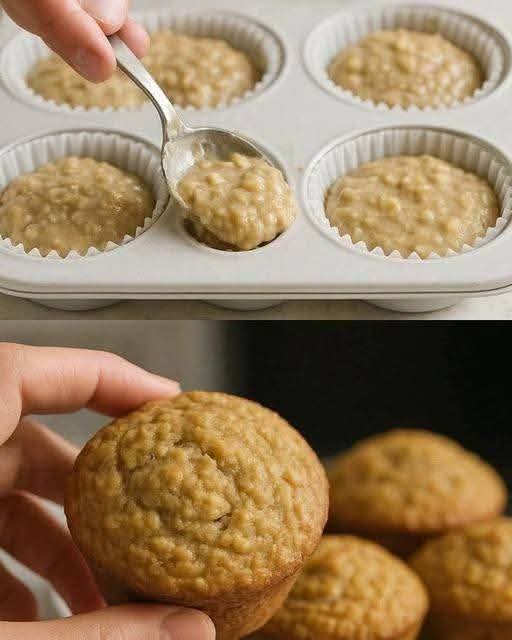
The quest for the perfect diabetic-friendly dessert often ends in disappointment—dry, crumbly, or with a bitter aftertaste that screams “compromise.” But what if you could have a classic, beloved treat that tastes like the real thing, with all the soft, tender crumb and sweet vanilla fragrance, but designed thoughtfully for your health? These Diabetic-Friendly Vanilla Cupcakes are here to shatter expectations. They are a masterclass in smart sugar-free baking, proving that you can enjoy a celebratory, guilt-free dessert without spiking your blood sugar.
Crafted with a focus on low-glycemic ingredients, high-quality protein, and healthy fats, these cupcakes are moist, light, and perfectly sweetened. They are the ideal base for birthdays, holidays, or simply a satisfying sweet treat that aligns with a diabetic lifestyle. Forget the notion of “diet food”—this recipe is about delicious empowerment.
The Science of Sweetness & Structure: A Diabetic Baker’s Guide
Creating a successful sugar-free cupcake requires more than just swapping sugar for a substitute. It’s about rebuilding the structure and moisture that sugar typically provides.
- The Sweetener (The Core Decision):
· Allulose or Monk Fruit/Erythritol Blend (1:1 style): These are the champions for diabetic baking. Allulose behaves almost identically to sugar—it caramelizes, provides bulk, and creates a tender crumb, with near-zero glycemic impact. A monk fruit and erythritol blend (like Lakanto) is also excellent. Avoid pure stevia or aspartame; they lack the needed bulk and can leave a bitter taste.
- The Flour Foundation:
· Cake Flour or a Low-Carb Blend: For a classic texture, cake flour (low protein) yields the softest crumb. For a lower-carb, higher-fiber cupcake, we use a blend of almond flour and oat fiber or coconut flour. This adds healthy fats and fiber, which slow glucose absorption.
- The Moisture & Richness Agents:
· Greek Yogurt & Sour Cream: These add tang, tenderness, and protein without extra fat. They also react with baking soda for lift.
· Unsweetened Almond Milk & Oil: Keeps the cupcakes dairy-light (if needed) and the oil ensures a moist texture that doesn’t dry out.
· Eggs: Essential for binding and structure. Room-temperature eggs incorporate best.
- Flavor Enhancers:
· True Vanilla: Use pure vanilla extract or vanilla bean paste for the best flavor, which is crucial when reducing sugar.
· A Pinch of Salt: Absolutely vital to balance and enhance all the other flavors.
Master Recipe: Classic Diabetic Vanilla Cupcakes
Yield: 12 cupcakes | Prep: 15 min | Bake: 18-22 min
Ingredients:
Dry Ingredients:
· 1 ½ cups (180g) cake flour (or see low-carb option below)
· 1 ½ tsp baking powder
· ¼ tsp baking soda
· ¼ tsp salt
Wet Ingredients:
· ½ cup (120ml) unsweetened almond milk (room temp)
· ⅓ cup (80g) plain, full-fat Greek yogurt (room temp)
· 2 tsp pure vanilla extract
Creaming Mixture:
· ½ cup (1 stick / 113g) unsalted butter, softened (or coconut oil)
· ⅔ cup (130g) granulated allulose or monk fruit/erythritol blend
· 2 large eggs, room temperature
Instructions:
Prep: Preheat oven to 350°F (175°C). Line a 12-cup muffin tin with silicone or parchment liners (paper liners can stick more to sugar-free batters).
Combine Dry & Wet Separately:
· In a medium bowl, whisk together the cake flour, baking powder, baking soda, and salt.
· In a small bowl or jug, whisk the almond milk, Greek yogurt, and vanilla until smooth.
- Cream Butter & Sweetener:
· In a large bowl, using a hand mixer or stand mixer, beat the softened butter and sweetener on medium-high speed for 2-3 minutes, until light and fluffy. This step incorporates air, which is crucial for rise.
· Add eggs one at a time, beating well after each addition. Scrape down the bowl.
- Combine Alternately:
· With the mixer on low, add about one-third of the dry ingredients, mixing until just combined.
· Add half of the wet milk/yogurt mixture, mixing until just combined.
· Repeat with another third of dry, the rest of the wet, and finally the last third of dry. Mix until just combined—do not overmix. The batter will be thick.
- Bake:
· Divide batter evenly among the 12 cupcake liners (about ¾ full).
· Bake for 18-22 minutes, until a toothpick inserted into the center comes out clean and the tops spring back when lightly touched. They will be pale golden.
- Cool Completely:
· Let cool in the pan for 5 minutes, then transfer to a wire rack to cool completely before frosting (at least 1 hour). This is non-negotiable for texture.
Low-Carb, High-Fiber Variation
For a more blood-sugar-friendly option with added fiber and healthy fats:
Replace the Dry Ingredients with:
· 1 ½ cups (150g) super-fine blanched almond flour
· ⅓ cup (40g) oat fiber or ¼ cup (30g) coconut flour (note: coconut flour is very absorbent)
· 1 ½ tsp baking powder
· ¼ tsp xanthan gum (helps with structure)
· ¼ tsp salt
Increase the wet ingredients slightly:
· Use 2 large eggs + 1 extra egg white.
· Increase almond milk to ⅔ cup (160ml).
Method: Follow the same creaming and alternating method. The batter will be thicker. Bake time may be slightly shorter (start checking at 16 minutes).
The Ultimate Sugar-Free Cream Cheese Frosting
No cupcake is complete without frosting. This version is lush, tangy, and perfectly sweet.
Ingredients:
· 8 oz (225g) full-fat brick-style cream cheese, softened
· 4 tbsp (½ stick) unsalted butter, softened
· ⅓ – ½ cup powdered allulose or powdered monk fruit/erythritol blend (to taste)
· 1 tsp pure vanilla extract
· Tiny pinch of salt
Instructions:
In a medium bowl, beat the cream cheese and butter together until completely smooth and no lumps remain.
Sift in the powdered sweetener to avoid clumps. Add vanilla and salt.
Beat on low until incorporated, then on high for 1-2 minutes until light and fluffy. If too soft, chill for 15 minutes before piping. Frost cooled cupcakes.
Pro-Tips for Baking Success
· Room Temperature is Key: Cold ingredients don’t incorporate well and can lead to dense cupcakes. Take eggs, yogurt, and milk out 30-60 minutes before baking.
· Don’t Overmix: Once you add the flour, mix until just combined. Overmixing develops gluten (even in almond flour) and leads to toughness.
· Use an Ice Cream Scoop: For perfectly even cupcakes and minimal mess, use a #20 or medium cookie scoop to portion batter.
· The Toothpick Test: The best indicator of doneness. A few moist crumbs are okay; wet batter is not.
· Cool Completely: Frosting a warm cupcake is a recipe for melted, soggy disaster.
Serving & Storage Guidelines
· Portion Wisdom: These are a treat. Enjoy one cupcake as a serving. Pair it with a handful of nuts or a cup of tea to further balance the meal.
· Storage: Store unfrosted cupcakes in an airtight container at room temperature for 1 day, or in the fridge for up to 5 days. Frosted cupcakes must be stored in the fridge. Bring to room temperature for 30 minutes before serving for the best texture and flavor.
· Freezing: Freeze unfrosted cupcakes individually wrapped for up to 3 months. Thaw overnight in the fridge.
Frequently Asked Questions (FAQ)
Q: Can I use a different sugar substitute?
A:We strongly recommend allulose or a monk fruit blend for the best taste and texture. Pure erythritol can have a “cooling” aftertaste and may recrystallize. Pure liquid stevia lacks the necessary bulk for the cupcake’s structure.
Q: Why are my cupcakes dense/gummy?
A:The most common causes are: overmixing the batter, using cold ingredients, or incorrectly measuring the flour (scooping it packs it down). Use the spoon-and-level method for flour.
Q: Are these cupcakes keto-friendly?
A:The low-carb almond flour version is an excellent fit for a ketogenic diet. The classic version with cake flour is low-glycemic but not strictly keto due to the carb count.
Q: My frosting is too runny. Help!
A:Ensure your cream cheese and butter are softened but not warm. If it’s runny, chill the mixture for 20-30 minutes and re-whip. Using a powdered sweetener designed to mimic powdered sugar (with a touch of starch) helps thicken it.
Q: Can I add fruit or chocolate?
A:Absolutely! Fold in ½ cup of fresh blueberries or sugar-free chocolate chips into the batter. For chocolate cupcakes, replace ¼ cup of flour with unsweetened cocoa powder.
A Final Slice of Empowerment
These Diabetic-Friendly Vanilla Cupcakes are more than just a dessert; they are a celebration of flavor, a triumph of mindful baking, and a tool for joyfully navigating a health-conscious lifestyle. They affirm that taking care of yourself does not mean giving up on life’s sweetest moments—it just means reimagining them with wisdom and a little bit of culinary magic.
So preheat your oven, and prepare to fill your kitchen with the scent of vanilla and possibility. One perfect, fluffy bite will show you just how sweet life can be.
More Recipes You Might Like
-
Crock Pot Chicken And Noodles Belongs
The Ultimate Comfort: Why 4-Ingredient Crock Pot Chicken And Noodles Belongs in Your Weekly Rotation There is a specific, almost…
-
Carrot Cake Roll with Cream Cheese Frosting
The Swirl of Perfection: Why Carrot Cake Roll with Cream Cheese Frosting Is the Dessert That Steals the Show There…
-
LOADED CHEESY POCKET TACOS
The Handheld Fiesta: Why Loaded Cheesy Pocket Tacos Are the Dinner Revolution You Need There is a specific, almost primal…