

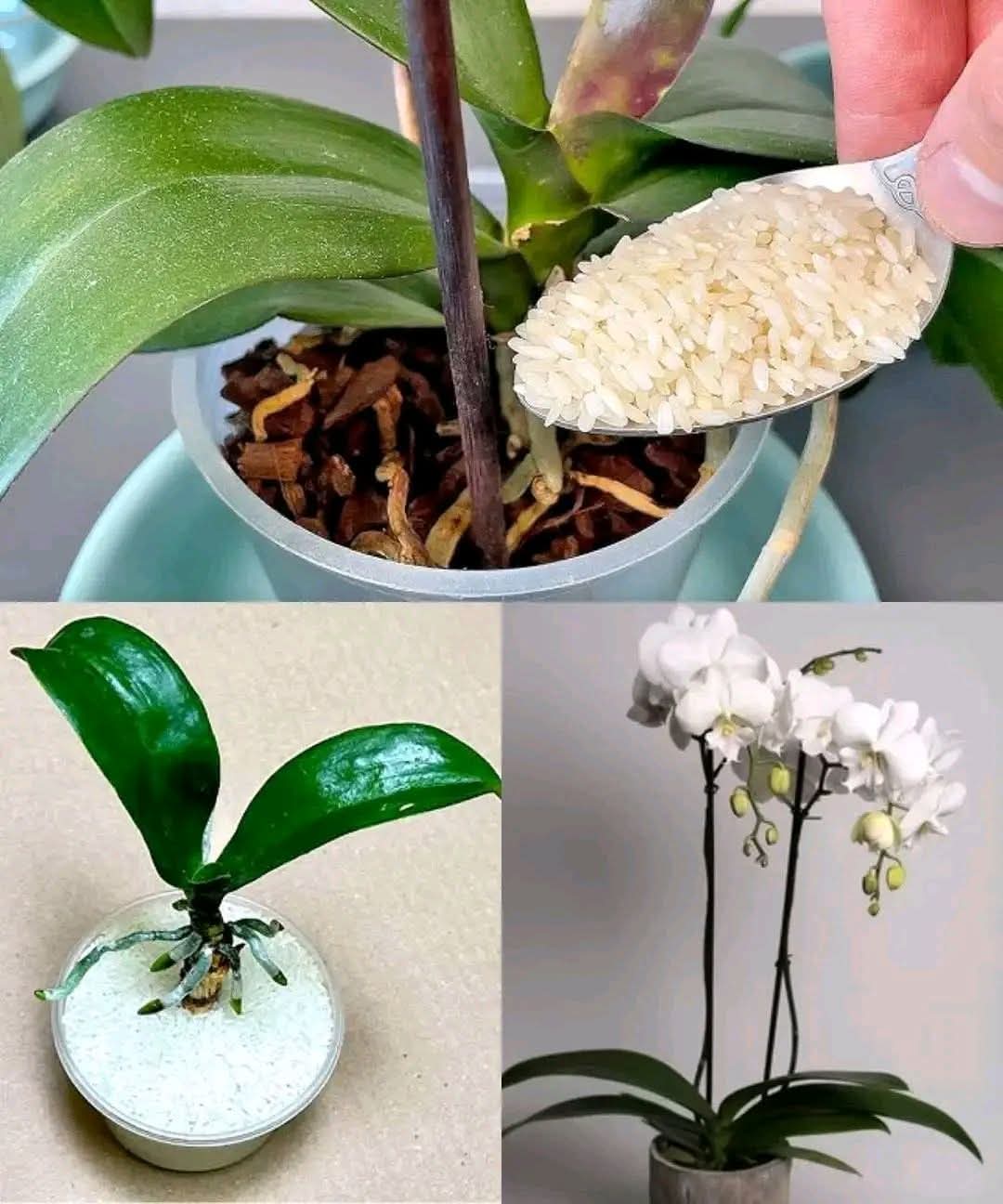
For centuries, gardeners have whispered about a simple, kitchen-sourced elixir that could transform finicky orchids into floriferous wonders. This secret isn’t a pricey fertilizer or a synthetic growth potion—it’s rice water. The starchy, nutrient-rich water left over after rinsing or boiling rice is emerging as a celebrated natural fertilizer in the plant world, particularly for orchids. Dubbed a “natural miracle” by enthusiasts, it promises brighter leaves, stronger roots, and yes, explosive, prolific blooms.
If you’re an orchid lover seeking to unlock the full potential of your Phalaenopsis, Cattleya, or Dendrobium without relying solely on chemical feeds, this ancient hack might just be your new best friend. Let’s delve into the science, the method, and the stunning results of using rice water for orchids.
Why Rice Water? The Science Behind the “Miracle”
Rice water isn’t just cloudy H₂O. It contains a valuable cocktail of organic compounds that act as a gentle, holistic nutrient supplement:
Starch: Provides a carbon source for beneficial soil microbes, enhancing the substrate’s ecosystem.
Vitamins (B1, B2, B6, Folate): Crucial for plant cell function, energy production, and overall vitality. Vitamin B1 (thiamine) is especially noted for stimulating root growth.
Minerals (NPK traces, Magnesium, Zinc): While not a complete fertilizer, it offers trace amounts of Nitrogen (N) for leaf growth, Phosphorus (P) for root and bloom development, and Potassium (K) for plant health. Magnesium is a core component of chlorophyll.
Amino Acids & Inositol: Building blocks of proteins and compounds that aid in cell signaling and stress resistance.
Antioxidants: Help protect plant cells from damage.
For orchids specifically, this translates to:
· Enhanced Root Development: Stronger, more robust roots better absorb water and nutrients.
· Improved Leaf Health: Leaves become greener, glossier, and more turgid due to improved chlorophyll production.
· Bloom Booster Effect: The combination of trace phosphorus, improved overall plant health, and microbial activity can encourage the plant to enter its reproductive (blooming) phase more readily and sustain it longer.
· Natural Probiotic: Promotes healthy mycorrhizal fungi and bacteria in the potting medium, mimicking an orchid’s natural epiphytic environment.
How to Make & Prepare Rice Water: Two Trusted Methods
Important: Always use plain, unfortified white or brown rice. Avoid rice with added salt, seasonings, or iron.
Method 1: The Rinse Water (Fast & Easy)
Take ½ cup of uncooked rice and place it in a clean bowl.
Cover with 2-3 cups of room-temperature water.
Swirl and rinse the rice vigorously for 30-60 seconds until the water becomes cloudy.
Strain the rice, saving the cloudy white water. The rice can be cooked as usual.
This is the mildest form. Use it immediately or ferment.
Method 2: The Fermented Rice Water (Potent & Probiotic)
Follow steps 1-4 of the rinse method.
Pour the strained rice water into a jar or container. Loosely cover (do not seal tightly, as gas will build up).
Let it sit at room temperature for 12-48 hours. You’ll notice a slightly sour smell—this indicates beneficial fermentation.
Once fermented, dilute it (see below) and use. Store unused portions in the refrigerator for up to one week.
The Critical Step: Dilution & Application
Never use full-strength rice water on orchids. Its richness can clog pores on aerial roots and lead to salt buildup or fungal issues.
· Dilution Ratio: Mix 1 part rice water with 3-4 parts clean water. When in doubt, dilute more.
· Application Method:
Ensure your orchid’s potting medium (bark, moss) is slightly dry before application.
Water your orchid as you normally would by slowly pouring the diluted rice water over the medium, allowing it to drain freely from the bottom. Avoid pouring into the crown (where leaves meet) to prevent rot.
Let the pot drain completely in the sink before returning it to its decorative cachepot.
· Frequency: Use rice water once per month in place of a regular watering. During active growth or budding phases, you can use it every other watering. Less is more. In the dormant period (after blooms fall), revert to plain water.
Pro-Tips for Success & Safety
· Observe Your Plant: Every orchid is different. Watch for signs of happiness (new roots, leaves, spike initiation) or distress (yellowing leaves, soggy medium).
· The Sniff Test: If your fermented rice water smells foul (like rotten eggs), discard it. It has spoiled, not fermented.
· Supplement, Don’t Replace: Rice water is a supplement, not a complete fertilizer. Continue using a balanced, orchid-specific fertilizer at half-strength during growing seasons.
· Cleanliness is Key: Use clean containers to prevent introducing harmful pathogens.
· Best for Mature Plants: Use on established orchids. Seedlings and sick plants need more controlled care.
The Evidence: What Orchid Growers Are Reporting
Anecdotal evidence from orchid communities is overwhelmingly positive:
· “My Phalaenopsis, which hadn’t bloomed in 2 years, spiked within 8 weeks of using fermented rice water.”
· “The new leaves on my Cattleya are thicker and shinier than ever before.”
· “Roots exploded out of the pot! They look green and healthy.”
· “It brought my rescue orchid back from the brink. The progress is incredible.”
A Word of Caution: Managing Expectations
While rice water is a powerful tool, it is not a magic bullet. Orchids require:
· Proper Light: Bright, indirect light is non-negotiable for blooming.
· Correct Watering: Overwatering is the #1 orchid killer.
· Adequate Humidity & Airflow: Mimicking their native tropical environment is key.
· Appropriate Potting Medium: They cannot survive in soil.
Rice water supports these conditions; it cannot replace them.
Frequently Asked Questions (FAQ)
Q: Can rice water harm my orchid?
A:Yes, if used incorrectly. Overuse can cause mineral salt buildup, attract fungus gnats, or promote root rot. Always dilute and use sparingly.
Q: Brown rice vs. white rice water?
A:Brown rice water contains more nutrients and vitamins as the bran layer is intact, making it slightly more potent. Dilute it a bit more.
Q: My rice water got mold on top. Can I use it?
A:No. Surface mold means harmful fungi have taken over. Discard it and clean your container thoroughly for next time.
Q: How long does it take to see results?
A:You may see improved leaf sheen and root growth within a few weeks. For blooming, it depends on the orchid’s cycle, but many report new spikes within one to two growth cycles.
Q: Can I use it on other plants?
A:Absolutely! It’s fantastic for most houseplants, vegetables (like tomatoes), and flowering plants.
Conclusion: Embrace the Natural Wisdom
Rice water for orchids is a beautiful intersection of ancient tradition and modern plant care. It represents a shift towards sustainable, holistic gardening—working with nature to nurture our plants. By recycling a common kitchen byproduct, you can forge a deeper connection with your orchids, observing and responding to their needs in a natural way.
So, the next time you cook rice, don’t pour that cloudy water down the drain. Capture it, ferment it, dilute it, and offer it to your orchids. With patience and careful observation, you may just witness your own “unlikely natural miracle”: the thrilling sight of a robust, healthy orchid preparing for a breathtaking display of explosive blooms.
More Recipes You Might Like
-

Crock Pot Chicken And Noodles Belongs
The Ultimate Comfort: Why 4-Ingredient Crock Pot Chicken And Noodles Belongs in Your Weekly Rotation There is a specific, almost…
-

Carrot Cake Roll with Cream Cheese Frosting
The Swirl of Perfection: Why Carrot Cake Roll with Cream Cheese Frosting Is the Dessert That Steals the Show There…
-

LOADED CHEESY POCKET TACOS
The Handheld Fiesta: Why Loaded Cheesy Pocket Tacos Are the Dinner Revolution You Need There is a specific, almost primal…