

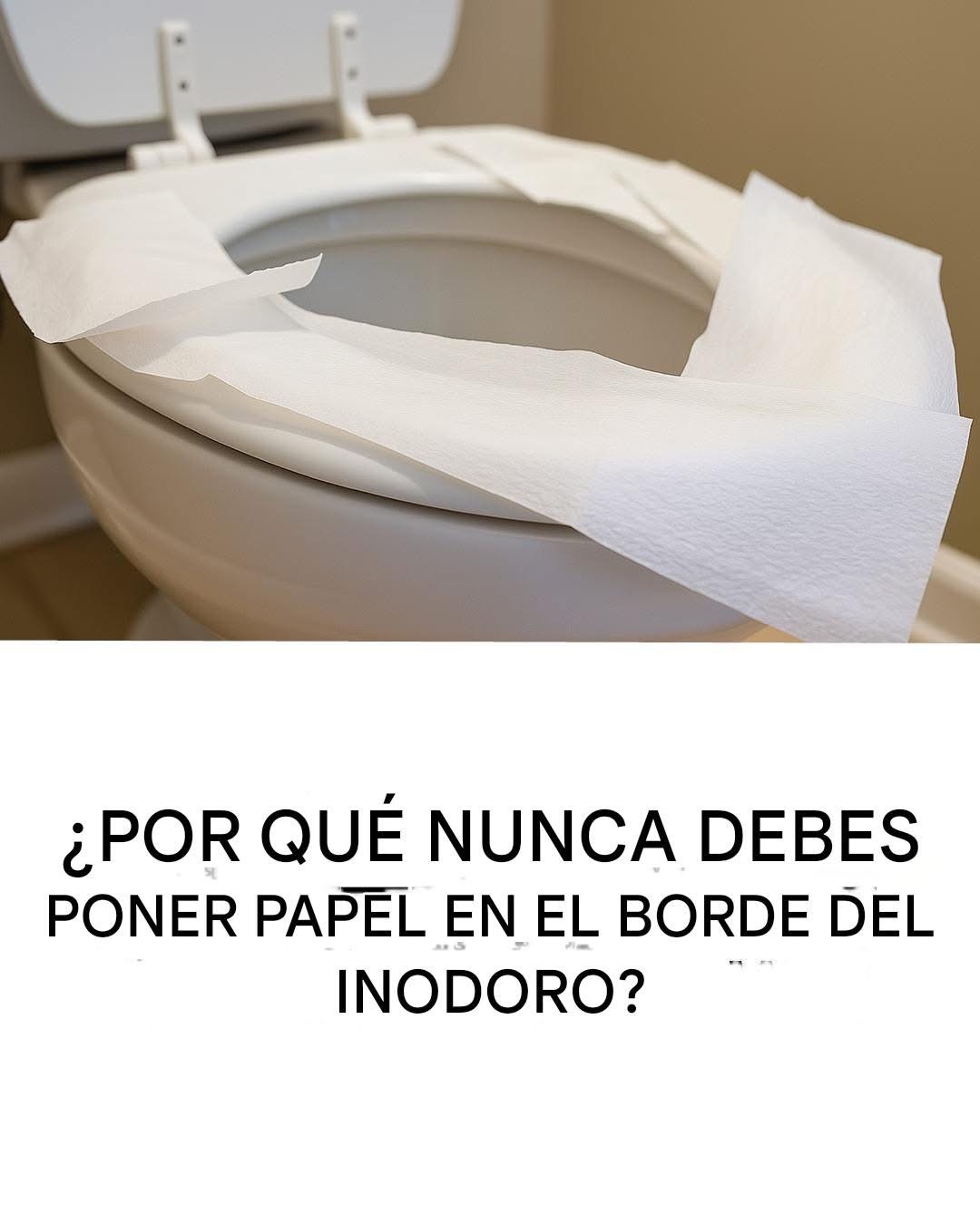
We’ve all done it. You walk into a public restroom, and your eyes immediately scan the stall for that familiar cardboard dispenser. Seeing it empty, you resort to the classic move: carefully layering strips of toilet paper across the cold, hard toilet seat. It feels like a barrier, a thin veil of protection between you and the unknown. It feels… sanitary.
But what if I told you this nearly universal public bathroom hygiene habit is not just ineffective, but it might actually be increasing your exposure to germs and bacteria? It’s a truth that challenges a deeply ingrained personal wellness ritual.
Today, we’re diving deep into the science of bathroom microbiology, debunking common health myths, and revealing why that toilet paper barrier is a psychological comfort rather than a physical shield. More importantly, we’ll equip you with evidence-based, doctor-recommended strategies for true protection and peace of mind.
Part 1: The Psychology of the Paper Barrier – Why We Do It
First, let’s acknowledge the feeling. The act of covering the seat is rooted in a very real human emotion: disgust. Disgust is an evolved psychological response to potential sources of disease. A public toilet seat is a prime trigger—it’s shared, it’s intimate, and it’s visually associated with waste.
Laying down toilet paper is a coping mechanism. It creates a perceived zone of control in an environment where we feel vulnerable. It’s a natural health hack born of instinct, not information. The problem is, our instincts about microscopic threats are often wrong.
Part 2: The Cold, Hard Science: Toilet Seats vs. Toilet Paper
To understand why the hack fails, we need to look at two key concepts: surface structure and bacterial transmission.
The Non-Porous Nature of Toilet Seats:
Most modern public toilet seats are made of smooth, non-porous materials like polypropylene or coated wood. These surfaces are designed with easy cleaning and disinfecting in mind. Their slick finish is terrible for bacterial survival. Pathogens need moisture, nutrients, and crevices to hide and multiply. A dry, clean toilet seat offers very little real estate for germs to set up camp.
Numerous clinical studies and health research have shown that the average toilet seat is often cleaner than many common household items. Your kitchen sponge, cell phone, or even your office keyboard likely harbors more bacteria per square inch than a public toilet seat.
The Porous, Absorbent Nature of Toilet Paper:
Here’s the ironic twist. Toilet paper is designed to be soft, absorbent, and… porous. Its very purpose is to wick moisture. In the environment of a bathroom, especially one with flushing toilets, the air is filled with a fine mist of water and… whatever is in the toilet bowl. This phenomenon is called “toilet plume.”
When you flush, aerosolized particles can travel several feet, settling on every surface—including that stack of toilet paper you’re about to grab. The paper acts like a sponge, trapping these microscopic particles. By placing it on the seat, you’re potentially creating a warmer, more absorbent breeding ground right where your skin will make contact.
Keyword-Rich Insight: Relying on this method is one of the most common misguided wellness tips that can inadvertently compromise your immune system support by exposing you to avoidable pathogens.
Part 3: The Real Culprits – It’s About the Hands, Not the Seat
The primary mode of transmission for the illnesses we fear from bathrooms (like gastrointestinal viruses, E. coli, or norovirus) is not skin-to-seat contact. It’s the fecal-oral route. This means germs from feces must get into your mouth.
How does this happen? Almost exclusively through your hands.
Think about your typical public restroom sequence:
You touch the stall door latch (a high-touch surface).
You grab the toilet paper (exposed to toilet plume).
You arrange it on the seat (your hands touch the seat edges).
You do your business.
You touch the toilet handle to flush (a massive germ reservoir).
You exit the stall and touch the door latch again.
You maybe wash your hands.
You then touch your face, your phone, or your food.
Every one of those red points is a far more significant cross-contamination risk than your thighs touching a smooth seat. The toilet paper ritual often increases hand contact with contaminated surfaces without providing any real benefit.
Part 4: True Expert-Recommended Bathroom Hygiene Protocol
So, what should you do instead? Follow this actionable wellness guide for genuine protection.
The Golden Rule: Hand Hygiene is Non-Negotiable.
This is the single most effective disease prevention strategy. Wash your hands with soap and water for at least 20 seconds after using the toilet and before touching your face or belongings. Use a paper towel to turn off the faucet and open the door. If soap and water aren’t available, use an alcohol-based hand sanitizer with at least 60% alcohol.
Master the “No-Touch” Flush.
Use your foot (on a lever) or a piece of toilet paper to flush. Close the lid before flushing if one exists—this dramatically reduces toilet plume. This is a proven health tip backed by environmental health research.
Carry Personal Protection.
This is where savvy, health-conscious individuals are turning. Ditch the loose paper and consider:
· Disposable Seat Covers: If you truly want a barrier, use a purpose-made, water-resistant disposable cover. They are designed to be non-absorbent.
· Portable Disinfectant Spray/Wipes: A small travel-sized spray containing bleach or hydrogen peroxide can be used to quickly wipe the seat. Let it sit for the recommended contact time (usually 30-60 seconds). This targeted disinfecting is far more effective.
· “Sit Smart” Wipes: These are single-use, pre-moistened wipes specifically designed to clean a toilet seat. They kill germs without leaving a residue.
Strengthen Your First Line of Defense: Your Skin and Immune System.
Healthy, intact skin is an excellent barrier. Focus on holistic health practices that support your body’s natural defenses:
· Maintain a Balanced Diet: Eat plenty of fruits, vegetables, and probiotics for gut health, which is intrinsically linked to immune function.
· Stay Hydrated: Proper hydration supports all bodily functions, including your skin’s integrity and your immune response.
· Manage Stress: Chronic stress is a known suppressor of the immune system. Incorporate stress-reduction techniques like meditation or mindful breathing.
Part 5: Debunking Related Bathroom Health Myths
While we’re clearing the air, let’s tackle a few other common health misconceptions:
· “Squatting is Safer”: Hovering over the seat increases the risk of muscle strain and splashing, which can actually increase exposure. It also often leads to less complete emptying of the bladder, which isn’t ideal for urinary tract health.
· “The First Stall is the Dirtiest”: Actually, research suggests people often avoid the first stall for privacy, making it sometimes the least used and therefore cleaner.
· “Hand Dryers are More Hygienic Than Paper Towels”: Studies show jet-air dryers can aerosolize bacteria from hands into the surrounding air. Paper towels are generally considered the more hygienic drying method, as they remove moisture and bacteria through friction.
Conclusion: From Fear to Empowered Knowledge
Letting go of the toilet paper seat cover ritual isn’t about lowering your standards—it’s about raising your understanding. It’s about swapping a placebo-level wellness trend for science-backed health protocols that actually work.
True wellness isn’t found in layers of porous paper; it’s found in informed self-care practices. It’s in the vigilant handwashing, the small bottle of sanitizer in your bag, and the daily habits that build a resilient immune system.
The next time you enter a public restroom, you can walk past that empty seat cover dispenser with confidence. Your best protection was never on the roll; it’s in the knowledge you now carry and the simple, effective habits you perform. That’s the ultimate preventative health strategy.
Share This Knowledge! Did this article change your perspective on public health hygiene? Share it with friends and family to help debunk this common myth and promote truly effective wellness practices.
Disclaimer: This article is for informational purposes only and is based on current public health research. It is not intended as a substitute for professional medical advice. Always consult with a healthcare provider for personal health concerns.
-

Crock Pot Chicken And Noodles Belongs
The Ultimate Comfort: Why 4-Ingredient Crock Pot Chicken And Noodles Belongs in Your Weekly Rotation There is a specific, almost…
-

Carrot Cake Roll with Cream Cheese Frosting
The Swirl of Perfection: Why Carrot Cake Roll with Cream Cheese Frosting Is the Dessert That Steals the Show There…
-

LOADED CHEESY POCKET TACOS
The Handheld Fiesta: Why Loaded Cheesy Pocket Tacos Are the Dinner Revolution You Need There is a specific, almost primal…