

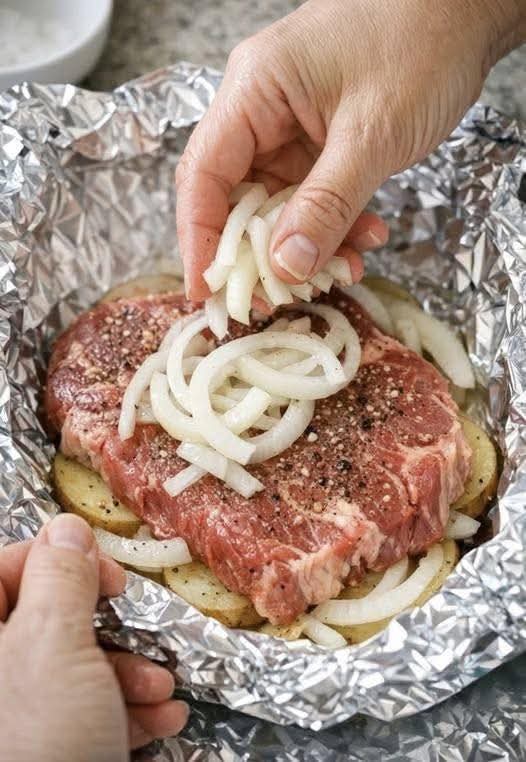
Master easy Oven Baked Beef with this ultimate guide! Learn how to cook perfectly juicy pot roast, tender chuck roast, and flavorful sirloin with simple seasoning and slow roasting. Includes step-by-step instructions, temperatures, and recipes for a foolproof family dinner.
There is something undeniably comforting and impressive about a beautiful cut of beef, slowly roasting in your oven, filling the entire house with an aroma that promises a memorable meal. Yet, the idea of oven-baking a large cut of beef can feel intimidating. Questions arise: Which cut is best? What temperature? How long? The fear of a dry, overcooked, or bland roast is real. But it doesn’t have to be. Welcome to your complete guide to Perfect Oven Baked Beef—a masterclass in turning affordable, hearty cuts into meltingly tender, juicy, and flavor-packed centerpieces with minimal fuss.
This guide isn’t just one recipe; it’s a foundational method. We’ll demystify the process, focusing on the two most beloved and reliable approaches: the low-and-slow braise for tough, flavorful cuts (like chuck roast) that become fork-tender, and the high-heat roast for more tender cuts (like sirloin or tenderloin) that deliver a beautiful crust and a pink, juicy interior. Whether you dream of a Sunday pot roast with carrots and potatoes, a slicable roast beef for sandwiches, or a simple, elegant steakhouse-style roast, the secret lies in understanding the cut of meat and applying the right heat.
With clear instructions, essential temperature guides, and pro tips, you’ll gain the confidence to bake beef that is consistently perfectly cooked, deeply flavorful, and incredibly satisfying. Let’s turn your oven into a tool for creating unforgettable, hearty family dinners and impressive meals for guests.
Why Oven Baking is the Best Method for Beef
Before we choose our cut, let’s appreciate why the oven is a home cook’s best friend for beef:
· Consistent, Even Heat: Unlike the stovetop, the oven provides gentle, surround heat that cooks the meat evenly from all sides, preventing tough, overcooked edges.
· Hands-Off Cooking: Once it’s in the oven, your work is largely done. This is the ultimate set-it-and-forget-it method for easy family dinners.
· Unbeatable Tenderness: Slow baking at a low temperature breaks down tough collagen in less expensive cuts, transforming them into buttery, fall-apart tender masterpieces.
· Flavor Development: Long, slow cooking allows herbs, aromatics, and the meat’s own juices to meld into deeply rich, complex flavors.
· Perfect for Meal Prep: A large baked roast yields delicious leftovers for sandwiches, salads, and quick meals throughout the week.
Choosing Your Cut: The First & Most Important Step
The cooking method is entirely dictated by the cut of beef. Here’s your cheat sheet:
For Low & Slow Braising (Pot Roast Style):
· Chuck Roast: The king of pot roast. Well-marbled with fat and connective tissue, it becomes incredibly tender and flavorful when braised. Best for: Classic pot roast, beef stew, barbacoa.
· Brisket (Flat Cut): Leaner than chuck but with dense connective tissue. Requires patience and slow cooking to become tender. Best for: Sliced brisket, Jewish-style braised brisket.
· Bottom Round/Rump Roast: A leaner, often more affordable option. Benefits greatly from braising with plenty of moisture. Best for: Italian beef, shredded beef, pot roast.
For High Heat Roasting (Roast Beef Style):
· Top Sirloin Roast: An excellent, affordable choice for roast beef. It’s lean but tender when not overcooked. Best for: Sliced roast beef for dinners and sandwiches.
· Tri-Tip Roast: A flavorful, triangular cut from the bottom sirloin. Cook to medium-rare for best results. Best for: California-style roast beef, carving at the table.
· Tenderloin (Filet Mignon): The most tender and expensive cut. Very lean, so it’s best cooked quickly to medium-rare and served with a sauce. Best for: Special occasion, elegant roast beef.
· Ribeye Roast (Prime Rib): The ultimate celebratory roast. Extremely well-marbled, rich, and juicy. Best for: Holiday dinners like Christmas or Easter.
Master Recipe #1: The Ultimate Fork-Tender Oven-Braised Pot Roast
This is the quintessential comfort food method for a chuck roast.
Ingredients:
· 1 (3-4 lb) beef chuck roast
· 2 tbsp olive oil
· Salt and coarse black pepper
· 1 large onion, chopped
· 3 carrots, cut into chunks
· 3 celery stalks, cut into chunks
· 4 cloves garlic, smashed
· 2 tbsp tomato paste
· 2 cups beef broth
· 1 cup red wine (or additional broth)
· 3 sprigs fresh thyme (or 1 tsp dried)
· 2 bay leaves
· 1 lb baby potatoes (optional)
Step-by-Step Instructions:
Prep & Sear: Preheat oven to 325°F (163°C). Pat roast dry and season generously. In a Dutch oven, heat oil over med-high heat. Sear roast on all sides until deeply browned (5-7 min per side). Remove.
Sauté Aromatics: In same pot, add onion, carrot, celery. Cook 5 min. Add garlic and tomato paste; cook 1 min.
Deglaze: Pour in wine, scraping up browned bits. Simmer 2 min. Add broth, thyme, bay leaves.
Braise: Return roast to pot. Bring liquid to a simmer. Cover tightly with lid and transfer to oven.
Cook Low & Slow: Braise for 3 to 3.5 hours, turning once halfway, until meat is fork-tender. Add potatoes in last hour if using.
Rest & Serve: Transfer roast to platter, tent with foil. Simmer sauce to thicken. Skim fat. Slice or shred meat, serve with veggies and sauce.
Master Recipe #2: Simple Perfect Roast Beef (Sirloin or Tri-Tip)
For a beautiful, pink center and a savory crust.
Ingredients:
· 1 (3-4 lb) top sirloin or tri-tip roast
· 2 tbsp olive oil
· 4 cloves garlic, minced
· 1 tbsp fresh rosemary, chopped
· 1 tbsp fresh thyme, chopped
· 2 tsp kosher salt
· 1 tsp black pepper
Step-by-Step Instructions:
Prep & Season: Remove roast from fridge 1 hour before cooking. Preheat oven to 450°F (232°C).
Make a paste with oil, garlic, herbs, salt, and pepper. Rub all over roast.
Sear (Optional but Recommended): Heat an oven-safe skillet over high heat. Sear roast on all sides for 2-3 minutes per side to develop a crust.
Roast: If using skillet, transfer to oven. Or place roast on a rack in a roasting pan. Roast at 450°F for 15 minutes.
Lower & Finish: Reduce oven to 325°F (163°C). Continue roasting until internal temperature reaches your desired doneness (see chart below). For a 3lb roast, this will take 45-60 minutes more.
Rest: Transfer to cutting board, tent loosely with foil, and rest for 15-20 minutes. This is crucial for juicy meat. Slice against the grain and serve.
The Essential Temperature Guide
Use a reliable meat thermometer for perfect results every time.
· Rare: 120-125°F (49-52°C) – Very red, cool center
· Medium-Rare: 130-135°F (54-57°C) – Warm red center; ideal for roast beef
· Medium: 140-145°F (60-63°C) – Warm pink center
· Medium-Well: 150-155°F (66-68°C) – Slightly pink center
· Well-Done: 160°F+ (71°C+) – Little to no pink; not recommended for roasting
· Braised/Pot Roast: 200-205°F (93-96°C) – Fork-tender, shreddable
Expert Tips for Baking Beef Like a Pro
· Pat Dry & Season Generously: Always pat the meat dry before seasoning. Salt draws out moisture, which then evaporates to help form a better crust.
· Sear for Flavor: For both methods, a hard sear in a hot pan before roasting creates the Maillard reaction, which equals big, savory flavor.
· Use a Thermometer: Guessing leads to overcooking. A digital instant-read thermometer is the best investment for any meat cook.
· Rest the Meat: This is non-negotiable. Resting allows the juices, which have been driven to the center by heat, to redistribute throughout the roast. Slicing too soon releases all those juices onto the cutting board.
· Slice Against the Grain: Look for the direction of the muscle fibers and cut perpendicular to them. This shortens the fibers, making every bite much more tender.
Frequently Asked Questions (FAQ)
Why is my pot roast tough?
It’s undercooked.Tough cuts like chuck roast need enough time (and temperature) for the collagen to break down into gelatin. Keep braising until it reaches 200°F+ and is easily shredded with a fork.
Can I cook a roast from frozen?
It is not recommended.The exterior will overcook before the interior thaws. Always thaw completely in the refrigerator for best and safest results.
How do I make gravy from the drippings?
For a roast,remove meat from pan. Place pan on stove over medium heat. Sprinkle in 2-3 tbsp of flour, whisk for 1 min. Slowly whisk in 2 cups of beef broth. Simmer until thickened. Strain if desired.
What’s the best way to reheat leftover roast beef?
To prevent drying out,reheat gently. For slices, place in a baking dish with a bit of broth or gravy, cover with foil, and warm in a 300°F oven for 15-20 mins. For shredded beef, warm in a saucepan with its juices.
Do I need to add water to the pan when roasting?
Not usually.For a braise, you need liquid. For a high-heat roast, the meat’s own juices and fat are sufficient. Adding water can steam the meat instead of roasting it.
Mastering Oven Baked Beef is a culinary milestone that yields endless rewards. It’s a skill that fosters confidence in the kitchen and creates moments of shared joy around the dinner table. Whether it’s the cozy familiarity of a Sunday pot roast or the celebratory slice of a perfect medium-rare sirloin, the path to perfection is now clear.
Choose your cut, trust the temperature, honor the rest, and get ready to serve beef that is consistently, wonderfully, perfectly baked.
Now, I’d love to hear from you! What’s your favorite cut to bake? Do you have a secret herb blend or tip? Share your experiences and questions in the comments below!
Ready to explore more? Dive into my detailed recipes for Mississippi Pot Roast or Garlic Herb Crusted Prime Rib next!
More Recipes You Might Like
-

Crock Pot Chicken And Noodles Belongs
The Ultimate Comfort: Why 4-Ingredient Crock Pot Chicken And Noodles Belongs in Your Weekly Rotation There is a specific, almost…
-
Carrot Cake Roll with Cream Cheese Frosting
The Swirl of Perfection: Why Carrot Cake Roll with Cream Cheese Frosting Is the Dessert That Steals the Show There…
-

LOADED CHEESY POCKET TACOS
The Handheld Fiesta: Why Loaded Cheesy Pocket Tacos Are the Dinner Revolution You Need There is a specific, almost primal…