

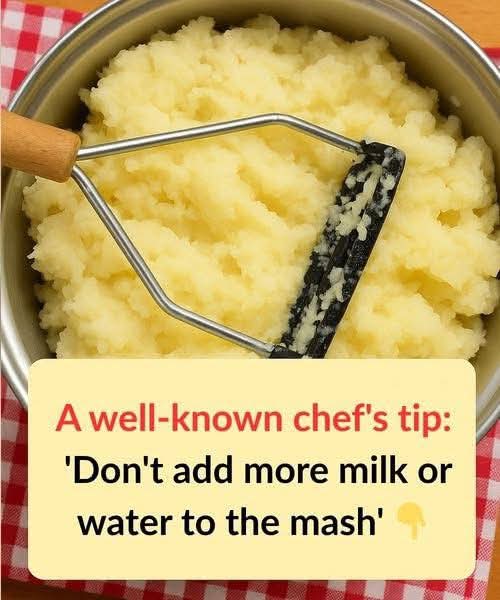
The Secret to Unbelievably Rich Mashed Potatoes: Stop Diluting the Flavor!
Forget everything you think you know about making mashed potatoes. That splash of milk or water you add while boiling? It’s the very thing standing between you and the most intensely potato-flavored, luxuriously textured mash of your life.
This isn’t just a small tweak; it’s a fundamental shift in technique that champions potato flavor above all else. We’re moving away from washed-out, watery spuds and towards a restaurant-quality mashed potato that actually tastes profoundly of its main ingredient. The method is simple: boil potatoes in heavily salted water, drain thoroughly, and let steam dry completely before mashing. This single change unlocks a new world of creamy, cohesive, and flavorful mashed potatoes that need far less butter and cream to achieve greatness.
Let’s break down why this method is a game-changer and how to execute it perfectly.
The Science of Flavor: Why Liquid is the Enemy
Potatoes are like sponges. When you boil them in unsalted or minimally salted water, they absorb that bland water, diluting their natural starches and flavor from the inside out. You then try to compensate for this lack of flavor by adding butter, cream, and salt at the mashing stage. But you’re essentially seasoning a waterlogged potato, not enhancing the potato itself.
Boiling in heavily salted water (it should taste like the sea) changes the osmotic process. The salt penetrates the potato, seasoning it throughout and actually helping to draw out a tiny bit of moisture, concentrating the potato’s own flavor. When you drain and steam-dry them, you’re left with pure, concentrated potato essence—a blank canvas of intense flavor ready to be enriched, not corrected.
The Texture Triumph: Less Water, More Control
Watery potatoes make gluey mashed potatoes. Excess moisture interferes with the starch molecules, leading to a pasty, gummy texture when overworked. Perfectly dry, mealy potatoes mash into separate, fluffy flakes that then welcome fat (butter, cream, etc.) to coat them in richness, creating a smooth, cohesive, but never gluey, consistency.
You have complete control over the final texture and richness because you’re adding only the luxurious ingredients you want, not the water you don’t.
The Foolproof Method for Perfect, Undiluted Mashed Potatoes
Ingredients:
· 2 lbs (about 900g) starchy potatoes (Russet or Yukon Gold are ideal)
· Kosher salt for the water (a large handful—at least 1/4 cup)
· 4-6 tbsp unsalted butter, cold or room temperature
· 1/4 to 1/2 cup heavy cream, warmed (optional)
· Freshly ground white or black pepper
Equipment:
· Large pot
· Colander
· Potato ricer or food mill (highly recommended) OR a standard potato masher
· Saucepan for warming cream (optional)
Step-by-Step Instructions:
Boil with Authority.
Peel your potatoes and cut them into evenly sized chunks(about 1.5-2 inches). Place them in a large pot and cover with cold water by about an inch. Now, add salt—be generous. The water should taste distinctly salty, like seawater. This is non-negotiable for flavor penetration.
Cook, Drain, and Dry Relentlessly.
Bring the pot to a boil over high heat,then reduce to a steady simmer. Cook until the potatoes are completely tender when pierced with a knife, 15-20 minutes. Do not undercook.
Immediately drain the potatoes in a colander. Here’s the critical step: return the empty pot to the still-hot (but turned off) burner. Dump the drained potatoes back into the hot, dry pot. Let them sit for 1-2 minutes, gently shaking the pot once or twice. You’ll see steam rising—this is the residual surface moisture evaporating. They should look dry and mealy around the edges.
“Rice” Before Mashing.
For the smoothest texture,force the dry potatoes through a potato ricer or food mill back into the pot (or into a large bowl). This creates a uniform, airy texture with no lumps. If using a standard masher, mash them thoroughly in the hot pot until no lumps remain.
Enrich with Fat, Not Liquid.
Add your cold or room-temperature butter to the hot,riced potatoes. Fold and stir until the butter is completely melted and absorbed. The potatoes will become glossy and rich.
Adjust Consistency with Care.
Onlynow should you consider adding a liquid for creaminess. Warm your heavy cream or whole milk. Add it a small splash at a time, folding gently, until you reach your desired consistency. You will need far less than traditional recipes call for because your potatoes started dry. Season to taste with pepper and a final pinch of salt if needed.
Why This Works Every Time:
· Concentrated Flavor: The potatoes taste intensely of potato.
· Superior Texture: Dry potatoes allow for fluffy, separate grains that become creamy, not gummy.
· Controlled Richness: You decide exactly how much butter and cream go in, creating anything from lightly enriched to decadently luxurious mash.
Addressing Common Concerns & Questions
“Won’t they be too dry and stiff?”
No.The initial dryness is the point. You then add back only pure fat and a minimal amount of creamy liquid, which the dry potatoes absorb perfectly, resulting in a mash that holds its shape on the plate but melts in your mouth.
“My potatoes are always under-seasoned. Is this the solution?”
Absolutely.Seasoning from the inside via the salted water is infinitely more effective than trying to season the outside of a cooked potato. It’s the difference between a seasoned potato and a salted potato.
“Can I use this method for make-ahead mashed potatoes?”
Yes,and it works better. Undiluted mashed potatoes hold their texture better when reheated. Spread them in a baking dish, dot with extra butter, cover, and reheat in the oven with a splash of cream to refresh.
“What about using broth instead of water?”
While better than plain water,broth still introduces external moisture and flavors that can mask the pure potato taste. For the ultimate potato-forward experience, stick with salt. Save flavorful broths for a gravy or a dish where you want that specific flavor profile.
Conclusion: Embrace the Potato
This method is a return to respecting the core ingredient. It asks you to treat the humble potato as the star it is, not a bland vehicle for butter and cream. By stopping the dilution, you start a journey towards richer flavor, more elegant texture, and a side dish that truly stands on its own.
Try it once. Taste the profound difference. You’ll never go back to watering down your potatoes again. Your mashed potatoes will transform from a simple side dish into the unforgettable highlight of the meal.
More Recipes You Might Like
-
Crock Pot Chicken And Noodles Belongs
The Ultimate Comfort: Why 4-Ingredient Crock Pot Chicken And Noodles Belongs in Your Weekly Rotation There is a specific, almost…
-

Carrot Cake Roll with Cream Cheese Frosting
The Swirl of Perfection: Why Carrot Cake Roll with Cream Cheese Frosting Is the Dessert That Steals the Show There…
-

LOADED CHEESY POCKET TACOS
The Handheld Fiesta: Why Loaded Cheesy Pocket Tacos Are the Dinner Revolution You Need There is a specific, almost primal…