
There is a specific, quiet tragedy that occurs in American kitchens the day after Thanksgiving. The turkey has been stripped. The pie is a memory. And there, shoved to the back of the refrigerator shelf, sits a plastic container of congealed mashed potatoes. They are cold. They are dense. They are staring at you with silent judgment every time you reach for the milk.
For decades, we have treated these leftovers with a combination of guilt and resignation. We scoop them into a skillet and call them fried potatoes. We stir in broth and pretend they are soup. Or worse—we throw them away and close the lid quickly, as if disposing of evidence.
No more.
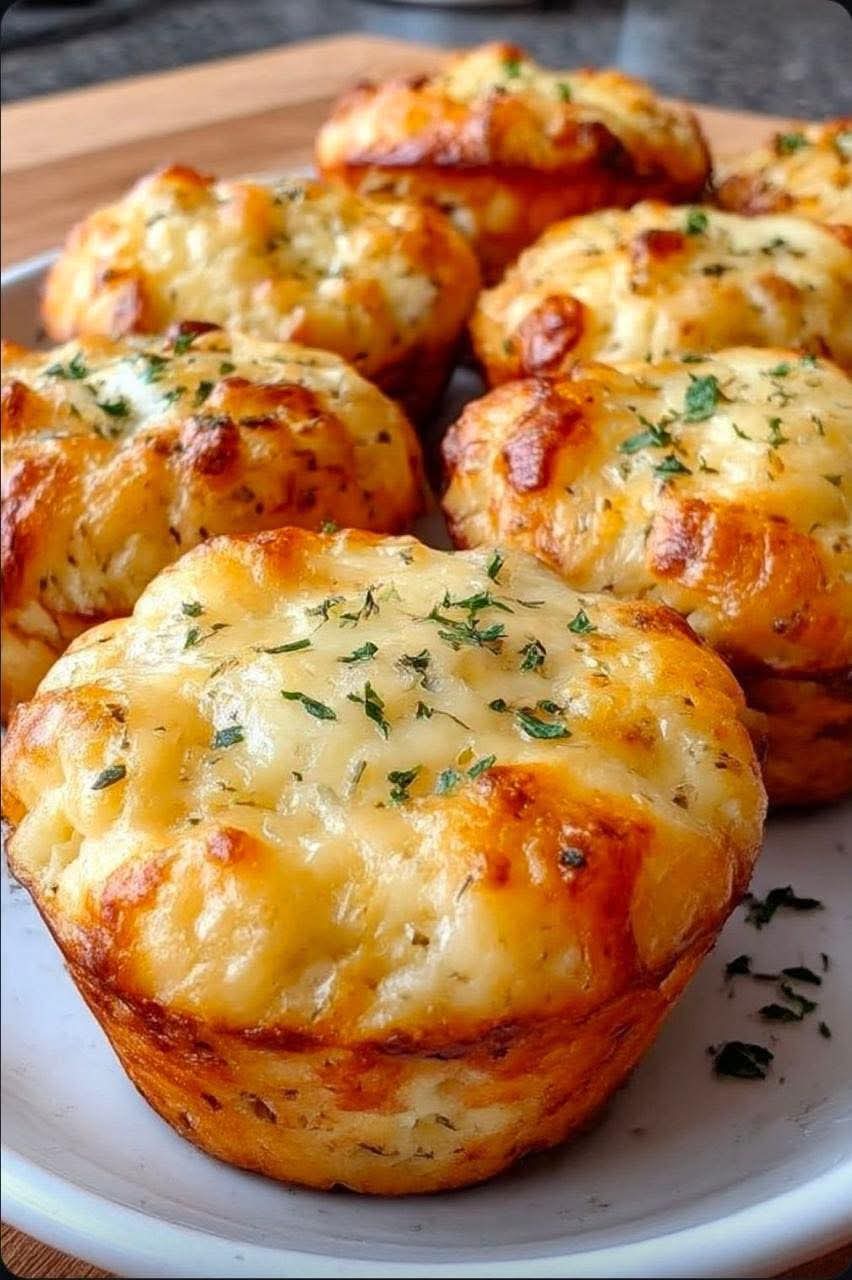
Cheesy mashed potato puffs are the redemption arc that cold mash has been waiting for. They are crispy on the outside, molten on the inside, and aggressively flavored with sharp cheese, garlic, and herbs. They require exactly four ingredients beyond your leftover potatoes. They come together in the time it takes to preheat your oven. And they disappear from the serving platter so fast you will wonder if you actually made any at all.
These are not merely a solution to a problem. These are an event. These are the reason you should intentionally make extra potatoes next time. These are the bridge between Tuesday night comfort food and Saturday night party appetizer.
The Alchemy of Starch and Cheese
To understand why mashed potato puffs work, we must first understand what goes wrong with leftover mash. Fresh mashed potatoes are a delicate emulsion of starch, fat, and liquid. As they sit in the cold, that emulsion breaks. The starch molecules retrograde. The water separates. The butter solidifies. What was once creamy becomes gluey.
This is not a flaw. This is an opportunity.
Those broken starches, when reformed and reintroduced to heat, create structure. Cold mashed potatoes are drier than fresh mash. They hold their shape better. They absorb flavors more aggressively. They are, paradoxically, the ideal starting point for a baked or fried potato product.
When you add cheese—real cheese, not the shredded bagged stuff coated in cellulose—you introduce fat and salt that rehydrate the starches. When you add an egg, you create a binder that crisps in the oven. When you bake them in a miniature muffin tin, you maximize surface area, ensuring every single puff has a golden, craggy exterior and a cloud-like center.
This is not cooking. This is science wearing an apron.
Why These Puffs Deserve a Permanent Spot in Your Rotation
Let us dispense with the notion that these are merely a Thanksgiving leftover recipe. That is where they begin, but it is not where they end.
These puffs are the ultimate solution for the home cook who needs to please a crowd with conflicting dietary preferences. They are naturally gluten-free, provided your original mash contained no flour. They are easily made vegetarian. They can be adapted to be keto-friendly with cauliflower mash. They are acceptable at breakfast alongside eggs, at lunch beside a salad, and at dinner next to a roast.
They are also the most forgiving recipe in your arsenal. Too dry? Add a splash of warm milk. Too wet? Add a tablespoon of grated Parmesan. Out of cheddar? Swiss works. Out of chives? Scallions. Out of eggs? Sour cream can step in. This is not a recipe that demands perfection. It is a recipe that rewards resourcefulness.
The Anatomy of the Perfect Puff
A great cheesy mashed potato puff has four distinct characteristics. It is golden brown on the bottom and edges, with a slight crunch when bitten. It is piping hot on the interior, with visible cheese pull. It holds its shape firmly enough to be dipped but yields easily to a fork. And it tastes unmistakably of butter and potato, with the cheese acting as a supporting actor rather than the lead.
Achieving this requires attention to a few non-negotiable details.
The Potato Foundation
If you are making mashed potatoes specifically for this recipe—and you should, at least once, just to experience how much better intentional puffs taste—use Yukon Gold potatoes. They have naturally buttery flesh and higher sugar content than Russets, which means they brown beautifully without becoming mealy. Russets work fine in a pinch, but they require more dairy to achieve the same creaminess, which can throw off the moisture balance.
If you are using leftovers, assess your base. Were the potatoes whipped with an immersion blender until they achieved the texture of wallpaper paste? Those will make dense, gummy puffs. Were they mashed by hand with chunks of butter and a splash of cream? Those will be ethereal. The method matters.
The Cheese Situation
Freshly grated cheese is non-negotiable. Pre-shredded cheese is coated in starches and anti-caking agents that inhibit melting. It will yield greasy, grainy puffs rather than the elastic, gooey stretch you are chasing.
Sharp cheddar is the classic choice. Its sharpness cuts through the richness of the potatoes. Gruyère adds nuttiness and superior meltability. Smoked gouda adds a campfire note that pairs beautifully with bacon or ham. Pepper jack brings heat. Do not use mozzarella alone—it is too mild and too wet. A blend of sharp cheddar and Parmesan provides both melt and salt.
The Binder
One large egg per two cups of mashed potatoes is the golden ratio. The egg provides structure and helps the puffs hold their dome shape. If your potatoes are very wet, add an extra egg yolk rather than a whole egg; the yolk adds fat and emulsifiers without additional albumin, which can make the puffs rubbery.
The Fat
Butter is ideal for greasing the pan. Nonstick spray is acceptable. Coconut oil or bacon fat will add flavor. Do not use olive oil; its smoke point is too low for the high heat required to achieve crispy bottoms.
The Ultimate Cheesy Mashed Potato Puff Recipe
Yield: Approximately 24 mini puffs (standard mini muffin tin)
Ingredients:
· 2 cups cold mashed potatoes (tightly packed)
· 1 cup sharp cheddar cheese, freshly grated
· ¼ cup Parmesan cheese, freshly grated
· 1 large egg, lightly beaten
· 2 tablespoons unsalted butter, melted, plus more for greasing
· 2 tablespoons fresh chives or scallions, finely chopped
· ½ teaspoon garlic powder
· ¼ teaspoon black pepper
· ¼ teaspoon salt (omit if your potatoes are already heavily seasoned)
· Optional mix-ins: ⅓ cup cooked bacon crumbles, chopped ham, caramelized onions, or roasted garlic
Instructions:
Preheat and Prepare: Preheat your oven to 400°F (200°C). Generously grease a 24-cup mini muffin tin with softened butter or nonstick spray. Do not skimp here. These puffs will glue themselves to an ungreased pan.
Assess the Potatoes: If your mashed potatoes are very stiff and cold straight from the refrigerator, microwave them for 20-30 seconds to take the chill off. They should be soft enough to stir but not hot. If they are dry, stir in a tablespoon of warm milk or cream. If they are soupy, add a tablespoon of grated Parmesan to absorb excess moisture.
Combine: In a large bowl, combine the mashed potatoes, cheddar cheese, Parmesan cheese, beaten egg, melted butter, chives, garlic powder, pepper, and salt. Stir until fully combined. The mixture should be thick and scoopable, like a stiff cookie dough. Fold in any optional mix-ins at this stage.
Taste and Adjust: This is the secret step most recipes omit. Taste the mixture. Yes, it contains raw egg. Swallow or spit—your choice. You need to know if it requires more salt, more pepper, or more cheese. Adjust accordingly.
Fill the Pan: Scoop the mixture into the prepared mini muffin cups, mounding the tops slightly. A small cookie scoop or tablespoon works perfectly. Do not press down; you want those craggy peaks to crisp in the oven.
Bake: Bake for 20-25 minutes, rotating the pan halfway through, until the puffs are golden brown on the edges and slightly firm to the touch. The tops should be lightly crisped and the bottoms deeply browned.
Cool and Release: Allow the puffs to cool in the pan for exactly 5 minutes. Run a thin knife or offset spatula around the edges of each puff to loosen. They should lift out easily. If they stick, they need another minute of cooling.
Serve Immediately: These are at their absolute peak within 10 minutes of leaving the oven. The cheese is molten, the exterior is crisp, and the potato is cloud-like. Serve with sour cream, crème fraîche, or garlic aioli for dipping.
The Art of the Make-Ahead
One of the greatest virtues of cheesy mashed potato puffs is their adaptability to real-life schedules. You are not always hosting a party at 4:00 PM on a Sunday. Sometimes you need appetizers on a Tuesday at 7:00 PM after a full day of work.
Fully Assemble, Bake Later: You can prepare the potato mixture up to 48 hours in advance. Scoop it into the greased muffin tin, cover tightly with plastic wrap, and refrigerate. When ready to bake, add 5-7 minutes to the baking time, as you are starting from cold.
Bake, Cool, Reheat: These puffs reheat beautifully. Bake as directed, cool completely, and store in an airtight container in the refrigerator for up to 4 days. To reheat, place on a baking sheet in a 375°F oven for 8-10 minutes. The microwave will make them soggy; avoid it.
Freeze for Later: Unbaked scoops can be flash-frozen on a parchment-lined baking sheet, then transferred to a freezer bag. Bake directly from frozen, adding 10 minutes to the baking time. Baked puffs can also be frozen and reheated in the oven.
The Flavor Universe: Infinite Variations
The template is perfect. But perfection is boring. Here is how to spin this recipe into an entirely different experience every time you make it.
Loaded Baked Potato Puffs: Add ⅓ cup cooked bacon crumbles and ¼ cup sour cream to the mixture. Top each puff with a tiny dollop of sour cream and a sprinkle of extra chives before serving.
Jalapeño Popper Puffs: Reduce cheddar to ¾ cup and add ½ cup pepper jack cheese, 2 tablespoons pickled jalapeños (minced), and 4 ounces cream cheese (cubed and folded in gently). Serve with ranch dressing.
Garlic Rosemary Puffs: Omit the chives. Add 1 tablespoon minced fresh rosemary and 4 cloves roasted garlic (mashed into a paste). Use Parmesan exclusively rather than cheddar for a more elegant, herby profile. Pair with lamb or beef.
Breakfast Puffs: Add ⅓ cup cooked breakfast sausage crumbles and ¼ cup finely diced bell pepper. Serve alongside scrambled eggs and mimosas. These are the sleeper hit of every brunch buffet.
Loaded Tater Tot Vibes: Mix in ¼ cup finely diced onion and serve with ketchup for dipping. The texture mimics the interior of a tater tot, and adults will fight over them.
The Dipping Question
A great puff does not require a dip. But a great puff welcomes one. The key is contrast. If your puffs are cheesy and rich, choose a dip that provides acid or coolness. If your puffs are herby and savory, choose something creamy.
Sour Cream and Chive: The classic. Three parts sour cream, one part mayonnaise, handful of minced chives, squeeze of lemon, salt and pepper.
Garlic Aioli: One cup mayonnaise, two cloves grated garlic, one tablespoon lemon juice, pinch of cayenne. Let rest for 30 minutes before serving.
Spicy Ranch: One cup buttermilk, half cup mayonnaise, half cup sour cream, one packet ranch seasoning, one teaspoon hot sauce.
Balsamic Onion Jam: Caramelize two sliced onions low and slow for 45 minutes. Add ¼ cup balsamic vinegar and 2 tablespoons brown sugar. Cook until jammy. This is the unexpected, sophisticated pairing that will have guests asking for the recipe.
Troubleshooting: Why Are My Puffs Soggy?
This is the most common complaint, and it almost always stems from one of three issues.
Issue One: Wet Potatoes. If your mashed potatoes were made with excessive milk or cream, or if water separated during storage, the mixture will steam rather than crisp. Solution: Add breadcrumbs, grated Parmesan, or even potato flakes to absorb moisture.
Issue Two: Crowded Pan. If you overfill the muffin cups, the puffs will spread and merge, reducing airflow and preventing crisp edges. Solution: Fill to the rim but not overflowing.
Issue Three: Impatience. Puffs that are removed from the pan too early will tear and stick. Puffs that are cooled completely in the pan will steam and soften. Five minutes is the sweet spot.
The Unexpected Hero of the Holiday Table
Let us return to Thanksgiving for a moment. The table is groaning under the weight of tradition. There is turkey, gravy, stuffing, green bean casserole, sweet potato casserole, cranberry sauce, rolls, and three types of pie. Where do cheesy mashed potato puffs fit?
They fit on the appetizer table, while the turkey rests. They fit in the hands of hungry relatives who arrived late and missed lunch. They fit in the lunch boxes of children who are tired of turkey sandwiches. They fit in the freezer, waiting for the December weeknight when you cannot bear to cook another meal.
These puffs are not trying to replace the centerpiece. They are the supporting cast that makes the whole production run smoothly. They are the recipe you make when you want to feed people without fuss. They are the proof that leftovers are not punishment—they are potential.
The Sentimental Starch
My grandmother never called them puffs. She called them “those little potato things,” which she made every Christmas Eve with the leftover mash from the church potluck supper. She used Velveeta because that was what she had. She baked them in a cast iron mini muffin pan that had belonged to her mother. She served them on a chipped willowware plate, and they were gone in four minutes.
I asked her once why she bothered. It was late, the dishes were done, and we were the only two left in the kitchen. She looked at me like I had asked why the sky is blue.
“Because throwing away food is throwing away money,” she said. “And because people like to eat.”
She was not trying to be profound. She was describing a philosophy of cooking that did not distinguish between “holiday meal” and “Tuesday dinner.” Food was food. If you could transform something ordinary into something people reached for, you had done your job.
That is what cheesy mashed potato puffs are, ultimately. They are the transformation of the ordinary into the irresistible. They are cold mash refusing to be forgotten. They are cheese, eggs, and heat applied with intention.
Make them with your leftovers. Make them with potatoes you boiled specifically for this purpose. Make them for the Super Bowl, for Easter, for no reason at all. Make them because they are easy and cheap and delicious and everyone loves them.
Make them because people like to eat.
And then watch them disappear from the platter, and know that you have done your job.
More Recipes You Might Like
-
Crock Pot Chicken And Noodles Belongs
The Ultimate Comfort: Why 4-Ingredient Crock Pot Chicken And Noodles Belongs in Your Weekly Rotation There is a specific, almost…
-
Carrot Cake Roll with Cream Cheese Frosting
The Swirl of Perfection: Why Carrot Cake Roll with Cream Cheese Frosting Is the Dessert That Steals the Show There…
-
LOADED CHEESY POCKET TACOS
The Handheld Fiesta: Why Loaded Cheesy Pocket Tacos Are the Dinner Revolution You Need There is a specific, almost primal…