

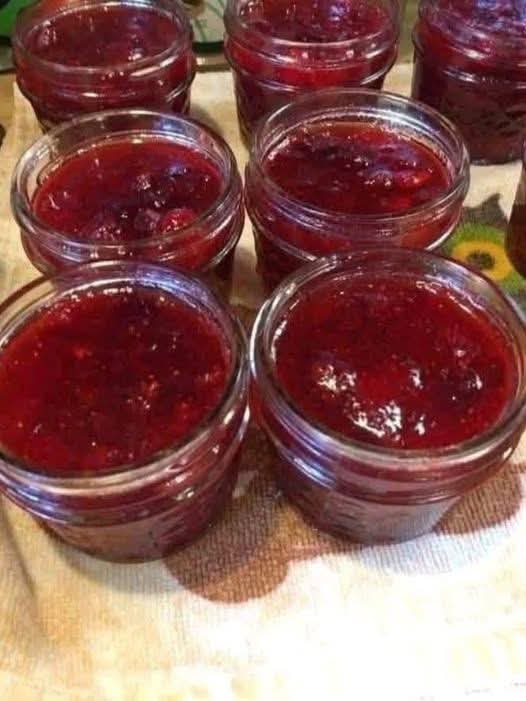
There is a jar that sits on the top shelf of my pantry, slightly pushed behind the pickles and the canned tomatoes. It has a plaid fabric topper and a handwritten label dated three winters ago. I refuse to open it. Not because it has gone bad—properly canned jam is immortal—but because it represents a perfect November afternoon spent with my grandmother, who measured sugar by feel and refused to use a thermometer.
That jam is cranberry. It is the color of stained glass. It is tart, bright, and aggressively festive. When the December light hits that jar just right, it glows like a cardinal perched on a snow-covered branch.
This is the magic of Christmas red jam.
While the world obsesses over peppermint bark and gingerbread houses, the true unsung hero of the holiday pantry is the jewel-toned preserve that refuses to be relegated to Thanksgiving leftovers. Cranberry, raspberry, pomegranate, strawberry, and even spiced cherry—these are the spreads that cut through the heaviness of a December diet. They provide acid where there is fat. They provide brightness where there is brown. They provide color where there is beige.
If you are searching for easy holiday gifts that feel personal without breaking your budget, or if you need to elevate your Christmas brunch ideas beyond the usual casserole rotation, this is your answer. Homemade Christmas red jam is the edible equivalent of wrapping a present in velvet.
The Psychology of Red on a Winter Plate
We eat with our eyes before our mouths ever engage. In the depths of winter, when the landscape is monochromatic and the sun sets before four o’clock, our brains crave color. Red signals ripeness. Red signals life. Red signals warmth in a season defined by cold.
This is why a dollop of cranberry orange jam on a cream cheese-slathered bagel feels like an event. This is why a spoonful of spiced strawberry preserves swirled into hot oatmeal transforms breakfast from fuel to comfort. The color alone tricks our palate into perceiving freshness, even in February.
Christmas red jam also carries a specific nostalgia. It is the taste of those tiny, jiggly canned cranberry sauces that slid out of the can with the ridges still intact. It is the taste of your aunt’s mysterious raspberry thumbprint cookies. It is the taste of Christmas morning, when the preserves were fancy enough to warrant the good china, even if you were eating toast.
Choosing Your Ruby: A Field Guide to Red Jams
Not all red jams are created equal, and the holidays demand specificity. You cannot simply grab a bag of frozen strawberries and call it Christmas. The fruit must earn its place at the table.
Cranberry: The Queen of Winter
Cranberries are the undisputed monarch of December preserves. They are native to North America, harvested in the fall, and possess a natural pectin content so high that they practically beg to be jammed. Their aggressive tartness stands up to the sweetness of added sugar, resulting in a balanced, sophisticated spread that refuses to be cloying. Cranberry orange jam is the classic. Cranberry apple is the understudy. Cranberry bourbon is the rebel.
Raspberry: The Romantic
Raspberries are more fragile, both in texture and in seasonality. Winter raspberries are almost exclusively imported or frozen, but this is no disadvantage. Frozen raspberries are often superior for jam because they are picked at peak ripeness and flash-frozen, locking in acidity and flavor. Raspberry jam is less tart than cranberry but more aromatic. It pairs exquisitely with dark chocolate and lamb—two unexpected holiday heavyweights.
Pomegranate: The Modernist
Pomegranate molasses has been a staple of Middle Eastern cooking for centuries, but pomegranate jam is a relatively new darling of the canning world. It is labor-intensive—extracting those arils is a test of patience—but the result is a translucent, garnet-colored jam with tiny, popping seeds that provide texture. It tastes like the holidays in a way you cannot quite articulate, which makes it the perfect conversation starter at a gift exchange.
Strawberry: The Nostalgic
Strawberry jam is not inherently Christmas, unless you doctor it. Add cinnamon, cloves, and a splash of balsamic vinegar, and suddenly you have a winter-ready preserve that tastes like mulled wine. Strawberries are low in pectin, so they require longer cooking or commercial pectin assistance, but their universal appeal makes them a safe bet for picky eaters.
Spiced Cherry: The Dark Horse
Sour cherries are a summer fruit, but canned or frozen tart cherries make an exceptional holiday jam. Their deep, almost purple-red hue is stunning against a white tablecloth. Combined with star anise, cardamom, or vanilla bean, cherry jam tastes like the filling of a Black Forest cake. It is sophisticated enough for a cheese board and simple enough for a peanut butter sandwich.
The Science of Set: Pectin, Acid, and Sugar
Before we dive into the recipe, we must understand the trinity of jam-making. Fail to respect these three components, and you will have cranberry syrup—delicious syrup, but syrup nonetheless.
Pectin is the natural starch that thickens jam. Some fruits are pectin powerhouses (cranberries, tart apples, citrus peels). Others are pectin paupers (strawberries, peaches, pears). When making Christmas red jam, you have three options. You can rely on the fruit’s natural pectin and cook it down until it thickens through evaporation—a process that can take upwards of forty minutes and darkens the color significantly. You can add commercial liquid or powdered pectin, which guarantees a set in minutes but requires precise sugar measurements. Or you can cheat with chia seeds, creating a refrigerator jam that thickens through gelation rather than heat.
Acid brightens flavor and helps pectin do its job. Lemon juice is the standard. A lack of acid results in a flat, one-dimensional jam that tastes like candy rather than fruit. Never skip the lemon.
Sugar is not merely sweetener. It is preservative. It is texture. It is the medium that binds water and prevents spoilage. High-sugar jams are shelf-stable. Low-sugar or no-sugar jams must be refrigerated and consumed quickly. For holiday gifts, you likely want the shelf stability. Embrace the sugar.
The Ultimate Christmas Red Jam: Cranberry Orange Bourbon
This recipe is my holiday non-negotiable. It walks the line between sweet and tart. It glows like a traffic light. It pairs with brie, roast turkey, scones, and pork chops. It is the jam I press into the hands of neighbors, mail carriers, and anyone who makes my December marginally easier.
Yield: Approximately 4 half-pint jars
Ingredients:
· 4 cups fresh or frozen cranberries (do not thaw if frozen)
· 2 cups granulated sugar
· 1 large orange (zest and juice)
· ½ cup water
· 2 tablespoons bourbon (optional, but highly recommended)
· 1 cinnamon stick (optional, for spiced variation)
Equipment:
· Large, heavy-bottomed pot (enameled cast iron or stainless steel)
· 4 half-pint canning jars with new lids and bands
· Water bath canner or deep stockpot
· Jar lifter, magnetic lid wand, and wide-mouth funnel (blessings upon whoever invented these)
Instructions:
Prep the fruit: Rinse the cranberries and pick out any soft or bruised specimens. Zest the entire orange, then juice it. You should have about ⅓ cup of juice. Do not use bottled juice; it lacks the necessary acidity and fresh flavor.
Maceration: In your pot, combine the cranberries, sugar, orange zest, orange juice, and water. Stir to combine. Allow this mixture to sit for 10-15 minutes. This maceration step draws out the cranberries’ natural juices and begins dissolving the sugar, preventing scorching later.
The Cook: Bring the mixture to a boil over medium-high heat, stirring frequently. Once boiling, add the cinnamon stick if using. Reduce heat to medium and maintain a vigorous simmer. Cook for 15-20 minutes, stirring occasionally at first and constantly toward the end.
The Doneness Test: You are looking for the jam to thicken significantly. It should coat the back of a metal spoon and hold a line when you drag your finger through it. Alternatively, place a small plate in the freezer before you start cooking. Drop a teaspoon of jam onto the cold plate, wait 30 seconds, and push it with your finger. If it wrinkles, it is done.
The Booze: Remove the pot from heat. Stir in the bourbon. The residual heat will cook off the alcohol, leaving only the warm vanilla-oak complexity. Remove the cinnamon stick.
Canning (for shelf stability): Ladle the hot jam into hot, sterilized jars, leaving ¼ inch headspace. Wipe the rims, center the lids, and apply bands fingertip-tight. Process in a boiling water bath for 10 minutes (adjust for altitude). Turn off the heat, remove the lid, and let the jars rest in the water for 5 minutes before removing to a towel-lined counter. Do not disturb for 12 hours. You will hear the joyful pop of successful seals.
Refrigerator Version: If you are not canning, simply cool the jam completely, transfer to clean jars or containers, and refrigerate. It will keep for 3-4 weeks.
The Gift-Giving Playbook
A jar of homemade Christmas red jam is a gift of time, which is the most valuable currency we have. But presentation matters. You cannot hand someone a dusty Mason jar and call it a day.
The Fabric Lid Cover: Cut 4-inch squares of holiday plaid, red gingham, or burlap. Center the fabric over the lid and secure with a rubber band or twine. Tie a sprig of fresh rosemary or a cinnamon stick into the twine for a fragrant, rustic look.
The Label: Do not skip this. People forget what year they received something. Include the flavor, the date, and a short serving suggestion. “Cranberry Orange Bourbon, December 2025. Excellent with brie and crusty bread.”
The Bundle: Pair a jar of red jam with a small wheel of soft cheese, a box of water crackers, and a handwritten recipe card. This is the ultimate hostess gift—no wrapping required, ready for the cheese board immediately.
The Pantry Staples Angle: For the person who has everything, a trio of Christmas jams (cranberry, spiced cherry, and raspberry-vanilla) communicates abundance. Tie them together with ribbon and attach a wooden spreader.
Beyond Breakfast: Unexpected Uses for Red Jam
If you only ever spread this jam on toast, you will be happy. But you would be missing the full scope of its power.
Holiday Appetizers: Warm a half-cup of cranberry jam in a small skillet. Pour it over a block of cream cheese. Serve with buttery crackers. This is the laziest, most addictive appetizer in existence, and the homemade jam elevates it from grocery-store desperation to intentional entertaining.
Glazes and Sauces: Thin cranberry jam with a splash of balsamic vinegar and brush it over a pork tenderloin or roasted duck. The sugar caramelizes, the acidity cuts the fat, and the color lacquers the meat like stained glass.
Cocktails: Spoon a tablespoon of pomegranate jam into the bottom of a champagne flute. Top with prosecco. Stir gently. You have just made a Poinsettia, which is the adult version of sparkling cider and significantly more festive.
Baking: Swirl raspberry jam into cream cheese brownies. Layer cranberry jam between shortbread cookies. Fill the thumbprints of your grandmother’s butter cookies with this jam. The high sugar content and concentrated fruit flavor make homemade jam superior to any store-bought preserves in baking applications.
The Poetry of Preservation
There is an intimacy to giving someone something you preserved. It says, “I thought of you when the cranberries were in season.” It says, “I stood over a hot stove in September so your December could be easier.” It says, “I want to feed you.”
We live in an era of convenience. We can walk into any grocery store on Christmas Eve and purchase a jar of imported raspberry preserves wrapped in cellophane. It will be fine. It will be adequate. It will not contain a whisper of orange zest or the memory of bourbon.
Homemade Christmas red jam is not about being a better cook or a more efficient gift-giver. It is about slowing down in a season that refuses to slow. It is about staining your fingernails cranberry red and not caring. It is about the sound of lids popping in a quiet kitchen while the first snow falls outside.
This December, buy a bag of cranberries. Dig out the heavy pot. Stand at the stove and stir. Watch the berries pop and release their pectin, transforming from individual orbs into a cohesive, glistening ruby mass. Ladle it into jars. Tie it with twine. Give it away freely.
You are not just giving jam. You are giving a jar of December light, captured and sealed, waiting to be opened on a cold morning in February when the holidays feel impossibly distant and the world needs a reminder of warmth.
That is the true standard of Christmas red jam. It is not just a recipe. It is a relic of right now, preserved for later.
More Recipes You Might Like
-
Crock Pot Chicken And Noodles Belongs
The Ultimate Comfort: Why 4-Ingredient Crock Pot Chicken And Noodles Belongs in Your Weekly Rotation There is a specific, almost…
-
Carrot Cake Roll with Cream Cheese Frosting
The Swirl of Perfection: Why Carrot Cake Roll with Cream Cheese Frosting Is the Dessert That Steals the Show There…
-
LOADED CHEESY POCKET TACOS
The Handheld Fiesta: Why Loaded Cheesy Pocket Tacos Are the Dinner Revolution You Need There is a specific, almost primal…