

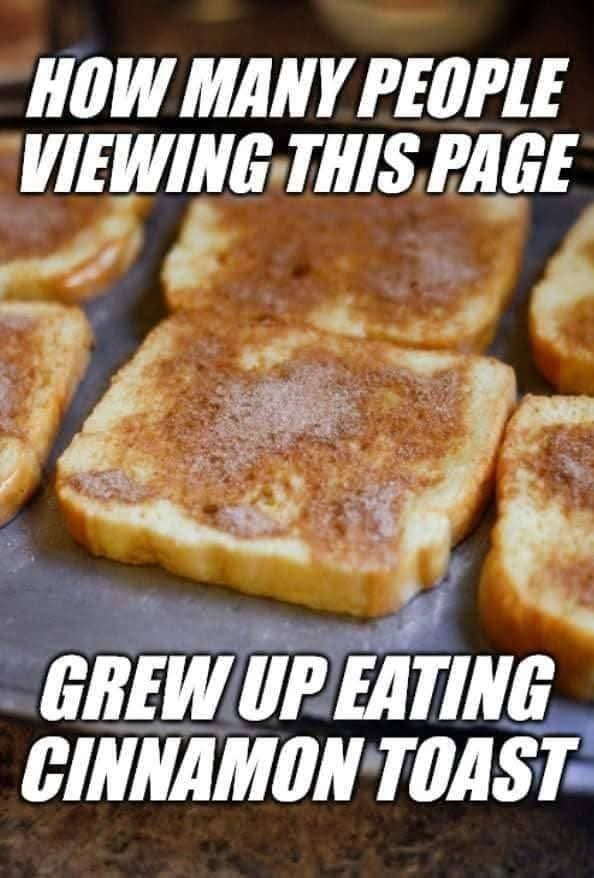
There is a specific, almost magical smell that can transport you across decades in a single breath. It is the smell of bread toasting, butter melting, cinnamon and sugar swirling together in a warm, fragrant cloud. It is the smell of Saturday mornings, of snow days, of being sick and home from school and someone taking care of you.
It is the smell of cinnamon toast.
Cinnamon toast is not a recipe. It is not a technique. It is a memory, baked into bread and butter and sugar and spice. It is the first thing many of us learned to make for ourselves, standing on a step stool at the stove, watching the butter melt and the sugar bubble. It is the thing we still make for ourselves when we need comfort, when we need to feel cared for, when we need to remember being small.
And yet, for something so simple, there is so much variation. Some people make it in the oven. Some make it in a skillet. Some use the broiler. Some mix the cinnamon and sugar together first; some sprinkle them separately. Some use white bread; some use sourdough. Some add vanilla; some add nutmeg. Everyone has an opinion. Everyone’s mother made it differently.
This is the definitive guide. This is everything you need to know about making perfect cinnamon toast, every single time.
If you are searching for easy childhood recipes that still satisfy, or if you need simple comfort food that takes minutes to make, this cinnamon toast is your answer. It is the taste of being loved. It is ready whenever you need it.
The History of Cinnamon Toast
Cinnamon toast has been warming American hearts for over a century. It emerged in the late 19th century, when cinnamon became more widely available and affordable. Cookbooks from the 1890s include recipes for “cinnamon toast” that are remarkably similar to what we make today.
The Depression era cemented its place in American cuisine. Cinnamon toast was cheap—bread, butter, sugar, cinnamon—and could stretch a little to feed many. It was a treat that felt like indulgence but cost almost nothing.
By the 1950s, cinnamon toast was a staple of American childhood. It appeared in cookbooks, in magazines, on television. It was the thing mothers made and children loved. It was simple, quick, and universally appealing.
Today, cinnamon toast endures. It has been joined by fancy variations—french toast versions, baked versions, versions with brioche and vanilla bean—but the original remains. Toast, butter, cinnamon, sugar. That is all. That is everything.
The Anatomy of Perfect Cinnamon Toast
Great cinnamon toast has four essential components, and one non-negotiable technique.
The Bread: Sturdy enough to hold butter and sugar, tender enough to yield easily. White bread is classic. Sourdough, brioche, and Texas toast are excellent variations.
The Butter: Real butter, softened, spread edge to edge. This is not the time for margarine or low-fat spreads. Butter is the soul.
The Cinnamon: Warm, aromatic, essential. Fresh cinnamon is noticeably more fragrant than old cinnamon. Replace yours if it has been sitting for years.
The Sugar: Granulated sugar provides the classic texture. Brown sugar adds molasses depth. A mixture is divine.
The Technique: The sugar-cinnamon mixture must be spread onto buttered toast and then heated until the sugar melts and caramelizes slightly. This creates a crispy, crackly top that shatters when bitten.
The Ultimate Cinnamon Toast Recipe
Yield: As many slices as you need
Ingredients:
· 4 slices good bread (white, sourdough, or brioche)
· 3-4 tablespoons salted butter, softened
· 3 tablespoons granulated sugar
· 1½ teaspoons ground cinnamon
· Pinch of salt (if using unsalted butter)
Instructions:
The Oven Method (Best for Crowds):
Preheat: Preheat your oven to 375°F (190°C). Line a baking sheet with parchment paper or foil.
Mix the Cinnamon Sugar: In a small bowl, combine the sugar, cinnamon, and salt if using. Stir until evenly mixed.
Butter the Bread: Arrange the bread slices on the prepared baking sheet. Spread butter generously on each slice, all the way to the edges. Use enough butter that the sugar will have something to stick to.
Sprinkle: Sprinkle the cinnamon sugar mixture evenly over the buttered bread. Use your fingers or the back of a spoon to gently press it into the butter.
Bake: Bake for 8-12 minutes, until the edges are golden and the sugar is bubbly and caramelized. Watch carefully; the line between caramelized and burnt is thin.
Cool Slightly: Let cool for 1-2 minutes before serving. The sugar will be molten hot.
The Skillet Method (Best for One or Two):
Mix the Cinnamon Sugar: In a small bowl, combine the sugar, cinnamon, and salt.
Butter the Bread: Spread butter generously on one side of each bread slice.
Sprinkle: Sprinkle the cinnamon sugar mixture over the buttered side, pressing gently to adhere.
Heat the Skillet: Place a non-stick or cast-iron skillet over medium heat.
Toast: Place the bread slices, buttered side down, in the hot skillet. Cook for 2-3 minutes until the sugar caramelizes and the bread is golden. Flip and cook for 1 minute more to warm the other side.
Serve: Serve immediately, sugar side up.
The Broiler Method (Fastest):
Mix the Cinnamon Sugar: Combine sugar, cinnamon, and salt.
Toast the Bread: Lightly toast the bread in a toaster. This prevents soggy toast.
Butter and Sugar: Spread butter generously on the toast. Sprinkle with cinnamon sugar.
Broil: Place the toast on a baking sheet under a preheated broiler for 30-60 seconds, watching constantly, until the sugar bubbles and caramelizes.
Serve: Serve immediately.
The Bread Selection
Bread matters more than you think. Here is what to know.
White Bread: The classic. Soft, tender, nostalgic. It toasts evenly and yields easily.
Sourdough: Tangy, sturdy, excellent with the sweet cinnamon sugar. The contrast is wonderful.
Brioche: Rich, buttery, indulgent. It is already so rich that the butter can be reduced slightly.
Texas Toast: Thick, sturdy, perfect for holding lots of butter and sugar. Requires slightly longer toasting.
Whole Wheat: Healthier, nuttier, still delicious. The cinnamon sugar balances the wheat flavor.
Gluten-Free: Use your favorite gluten-free bread. It may require different toasting times.
The Butter Debate
Butter is non-negotiable. But what kind?
Salted Butter: The classic. The salt balances the sweetness. Use it unless you have a reason not to.
Unsalted Butter: Use if you prefer to control the salt separately. Add a pinch of salt to the cinnamon sugar.
Softened Butter: Essential for spreading. Cold butter tears bread. Leave it out for 30 minutes before using.
Amount: Be generous. The butter should be visible through the sugar. Skimpy butter means dry toast.
The Cinnamon Question
Cinnamon is the star. Choose wisely.
Ground Cinnamon: The standard. Use the best quality you can find. Replace it every year; it loses potency.
Ceylon Cinnamon: Milder, more complex, sometimes called “true” cinnamon. Delicate and wonderful.
Cassia Cinnamon: The common supermarket variety. Stronger, more pungent. What most of us grew up with.
Freshly Ground: If you have whole cinnamon sticks, grind them fresh. The difference is remarkable.
The Sugar Spectrum
Sugar provides sweetness and texture. Here are your options.
Granulated Sugar: Classic. Creates a slightly crunchy, crystallized top.
Brown Sugar: Adds molasses depth. Creates a softer, more caramelized top. Use light or dark.
Cinnamon Sugar Mixture: Mix granulated and brown sugar for the best of both worlds.
Vanilla Sugar: If you have sugar stored with a vanilla bean, use it. The vanilla undertones are wonderful.
Coconut Sugar: Less processed, slightly caramel flavor. Works well.
The Flavor Universe: Endless Cinnamon Toast Variations
The classic is perfect. But variations are endless.
Vanilla Cinnamon Toast:
Add ½ teaspoon vanilla extract to the butter before spreading. Mix it in thoroughly. The vanilla deepens the flavor remarkably.
Brown Sugar Cinnamon Toast:
Use all brown sugar instead of granulated. The result is softer, more caramel-like, deeply satisfying.
Maple Cinnamon Toast:
Drizzle 1 teaspoon maple syrup over the butter before adding the cinnamon sugar. Maple and cinnamon are a perfect pair.
Nutmeg Cinnamon Toast:
Add ¼ teaspoon freshly grated nutmeg to the cinnamon sugar. Nutmeg adds warmth and complexity.
Cardamom Cinnamon Toast:
Add ¼ teaspoon ground cardamom to the cinnamon sugar. This is Swedish-inspired and exquisite.
Orange Cinnamon Toast:
Add 1 teaspoon orange zest to the cinnamon sugar. The orange brightens everything.
Chocolate Cinnamon Toast:
Sprinkle mini chocolate chips over the cinnamon sugar before baking. The chocolate melts into pools of richness.
Cream Cheese Cinnamon Toast:
Spread a thin layer of cream cheese under the butter. The tangy cream cheese balances the sweet cinnamon sugar. This is a revelation.
The Serving Question
Cinnamon toast is perfect on its own. But here are ideas.
With Coffee: The classic pairing. The bitterness of coffee balances the sweetness.
With Milk: For the full childhood experience. Dunking is optional but recommended.
With Fruit: Fresh berries or sliced bananas add brightness and cut the sweetness.
With Bacon: Sweet and salty perfection. The ultimate breakfast.
With Ice Cream: For dessert, top with vanilla ice cream. It melts into the warm toast.
The Make-Ahead Question
Cinnamon toast is best fresh. But you can prepare components.
Cinnamon Sugar: Mix in bulk and store in an airtight jar. It keeps indefinitely and is ready whenever you need it.
Butter: Keep butter at room temperature for easy spreading.
Assembly: Do not assemble ahead. The bread will become soggy. Toast just before serving.
Leftovers: Leftover cinnamon toast can be stored and reheated, but it will not be as good. Reheat in a toaster oven or low oven to restore some crispness.
Troubleshooting: When Toast Goes Wrong
The Sugar Burned Before the Toast Was Done: Your oven was too hot, or you used the broiler without watching. Next time, lower the heat and watch carefully.
The Toast Is Soggy: You did not toast the bread enough before adding toppings, or you used too much butter. Next time, toast the bread first or use the oven method, which allows moisture to evaporate.
The Sugar Did Not Caramelize: You did not use enough butter, or your oven was not hot enough. Next time, be generous with butter and ensure the oven is fully preheated.
The Cinnamon Sugar Fell Off: You did not press it into the butter, or you used too little butter. Next time, press gently and spread butter edge to edge.
The Toast Is Too Sweet: Use less sugar or add a pinch more salt. The salt balances sweetness.
The Toast Is Bland: Your cinnamon is old. Replace it. Also check that you used enough salt.
The Sentimental Toast
My mother made cinnamon toast on snow days. Not every snow day—only the really good ones, the ones where school was canceled and the world outside was white and silent and we had nowhere to be. She would make it in the oven, a whole baking sheet full, and we would eat it at the kitchen table in our pajamas, watching the snow fall.
She used white bread, salted butter, cinnamon sugar from a shaker she kept in the cupboard. Nothing fancy. Nothing special. But in my memory, it is the most perfect food that has ever existed.
When I make cinnamon toast for my own children on snow days, I use the same shaker. She gave it to me years ago, when I had my first apartment. “You’ll need this,” she said. And she was right.
My children do not know that shaker’s history. They do not know that it sat in my mother’s cupboard for thirty years, that it has seasoned thousands of slices of toast. They just know that when the snow falls and school is canceled, there will be cinnamon toast. And that is enough.
That is the secret, I think. Not the perfect ratio of cinnamon to sugar or the ideal bread or the right oven temperature. The secret is that cinnamon toast is never really about the toast. It is about the snow days. It is about the mothers who made it. It is about the children who ate it and grew up and now make it for their own children. It is about the continuity of love, expressed in the simplest possible way.
It is about feeding people, the way you were fed.
Make this toast for your children on a snow day. Make it for yourself when you need comfort. Make it for someone you love who needs to feel cared for. Make it because it takes five minutes and costs pennies and delivers more joy than anything that simple has a right to.
Make it because people like to eat.
And then sit at the table, watching the steam rise from warm toast, watching the butter melt into the sugar, watching the people you love take that first bite, and know that you have done something ancient and good.
You have taken bread and butter and sugar and cinnamon and transformed them into love. You have created a moment that will live in someone’s memory for decades. You have fed the people in front of you.
That is not just cooking. That is the original comfort food. That is the taste of being loved.
Memorize this recipe. You already know it. You have always known it. It is written in your bones, in your memories, in your heart.
It is the taste of cinnamon and sugar and butter and toast. It is the taste of Saturday mornings. It is ready whenever you are.
More Recipes You Might Like
-
Crock Pot Chicken And Noodles Belongs
The Ultimate Comfort: Why 4-Ingredient Crock Pot Chicken And Noodles Belongs in Your Weekly Rotation There is a specific, almost…
-

Carrot Cake Roll with Cream Cheese Frosting
The Swirl of Perfection: Why Carrot Cake Roll with Cream Cheese Frosting Is the Dessert That Steals the Show There…
-

LOADED CHEESY POCKET TACOS
The Handheld Fiesta: Why Loaded Cheesy Pocket Tacos Are the Dinner Revolution You Need There is a specific, almost primal…