

The Weeknight Hero: Why One-Pan Chicken with Buttered Noodles Deserves a Permanent Spot in Your Dinner Rotation
There is a specific, sacred hour in every household. It arrives at 5:30 PM, just when energy is lowest and hunger is highest. The children are asking what’s for dinner. The spouse is walking through the door. The dog needs to be fed. And you are standing in the kitchen, staring into the refrigerator, wondering how it is possible that you have nothing to eat when the refrigerator is clearly full of food.
This is the moment when dinner decisions are made. This is the moment when takeout wins or loses. This is the moment when a simple, reliable, foolproof recipe becomes not just a meal, but a lifeline.
One-pan chicken with buttered noodles is that lifeline.
It is the dinner that requires minimal thought, minimal effort, and minimal cleanup. It is the dinner that pleases children and adults alike, that feels both indulgent and wholesome, that comes together in the time it takes to boil water. It is the dinner that will save you on a thousand Tuesday nights.
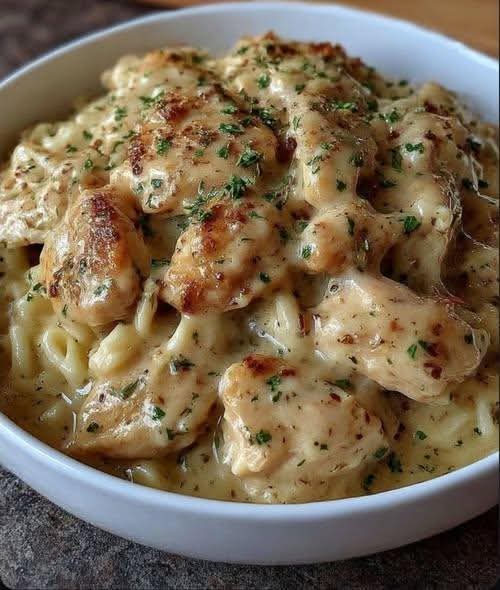
Juicy, golden-brown chicken thighs rest atop a bed of tender egg noodles, all coated in a rich, buttery sauce with garlic and herbs. Everything cooks in a single pan—the chicken first, then the noodles finish in the same skillet, absorbing all those savory chicken drippings. It is efficient. It is delicious. It is the definition of comfort food for busy people.
If you are searching for easy one-pan meals that minimize cleanup, or if you need family-friendly chicken and noodle recipes that actually work on busy weeknights, this dish is your answer. It is the proof that simple does not mean boring. It is the dinner that will become your default.
The Beauty of One-Pan Cooking
One-pan cooking is not just about fewer dishes—though that alone is reason enough to love it. It is about flavor development that only happens when ingredients share the same pan.
When you sear chicken in a skillet, it leaves behind browned bits called fond. Those bits are concentrated flavor. When you add liquid and noodles to the same pan, they absorb that fond, creating a sauce that tastes like you spent hours building layers of flavor. But you did not. You just let the pan do the work.
One-pan meals also mean less timing coordination. Everything cooks together, finishes together, and arrives at the table together. No juggling multiple pots. No worrying about keeping things warm. Just one pan, one meal, one happy cook.
The Anatomy of Perfect One-Pan Chicken with Buttered Noodles
Great one-pan chicken with buttered noodles has five essential components.
The Chicken: Bone-in, skin-on chicken thighs are ideal. The skin crisps beautifully. The bones add flavor to the cooking liquid. The meat stays juicy. Boneless, skinless thighs work in a pinch. Chicken breasts are not recommended; they dry out.
The Noodles: Egg noodles are the classic choice. They cook quickly, absorb flavor beautifully, and have that comforting, noodle-y texture that children love. Fettuccine, pappardelle, or any wide noodle works.
The Liquid: Chicken broth provides the base. It hydrates the noodles and creates the sauce. A splash of lemon juice or white wine adds brightness.
The Flavorings: Garlic, butter, herbs. Simple, classic, essential. Fresh parsley at the end adds color and freshness.
The Technique: Sear the chicken first. Remove it, add liquid and noodles, return the chicken to finish. Everything cooks together, everything stays juicy, everything is ready at the same time.
The Ultimate One-Pan Chicken with Buttered Noodles Recipe
Yield: 4 servings
Ingredients:
· 4 bone-in, skin-on chicken thighs (about 1½ lbs)
· 1 teaspoon kosher salt
· ½ teaspoon black pepper
· 1 tablespoon olive oil
· 4 tablespoons unsalted butter, divided
· 4 cloves garlic, minced
· 2 cups chicken broth
· ½ cup water
· 8 oz wide egg noodles
· ½ cup grated Parmesan cheese
· 2 tablespoons fresh parsley, chopped
· 1 tablespoon lemon juice (optional)
· Additional salt and pepper to taste
Instructions:
Prepare the Chicken: Pat the chicken thighs dry with paper towels. This is essential for crispy skin. Season generously on both sides with salt and pepper.
Sear the Chicken: Heat the olive oil and 1 tablespoon of the butter in a large skillet or Dutch oven over medium-high heat. When the oil is shimmering, place the chicken thighs skin-side down in the pan. Do not crowd; work in batches if needed. Cook without moving for 6-8 minutes, until the skin is deep golden brown and crispy. Flip and cook for 4-5 minutes on the second side. The chicken does not need to be fully cooked through at this point; it will finish cooking with the noodles.
Remove Chicken: Transfer the chicken to a plate and set aside. Pour off all but about 1 tablespoon of fat from the skillet.
Sauté the Garlic: Reduce heat to medium. Add the remaining 3 tablespoons of butter to the skillet. When melted, add the minced garlic and cook for 30-60 seconds until fragrant, scraping up any browned bits from the bottom of the pan.
Add Liquid and Noodles: Add the chicken broth and water to the skillet. Bring to a boil. Add the egg noodles and stir to submerge.
Return Chicken: Nestle the chicken thighs back into the skillet, skin-side up, on top of the noodles. Any accumulated juices from the chicken plate should go into the pan as well.
Simmer: Reduce heat to medium-low, cover, and simmer for 10-12 minutes, until the noodles are tender and have absorbed most of the liquid, and the chicken is cooked through (165°F internal temperature).
Finish: Remove from heat. Sprinkle with Parmesan cheese, fresh parsley, and lemon juice if using. Stir the noodles gently to incorporate the cheese and create a creamy sauce. Taste and adjust seasoning with additional salt and pepper.
Serve: Serve hot, with chicken thighs perched atop the buttery noodles. A simple green vegetable or salad makes a perfect accompaniment.
The Chicken Selection
Chicken thighs are the right choice. Here is why.
Bone-In, Skin-On Thighs: Maximum flavor. The skin crisps beautifully. The bone adds depth to the cooking liquid. The meat stays juicy. This is the ideal.
Boneless, Skinless Thighs: Convenient, still juicy. You lose the crispy skin, but the meat stays tender. Reduce cooking time slightly.
Chicken Breasts: Not recommended. They dry out easily. If you must use them, pound to even thickness and watch carefully.
Drumsticks: Work well. Increase cooking time slightly.
The Noodle Question
Egg noodles are classic. Here are your options.
Wide Egg Noodles: The standard. They soak up the buttery broth beautifully and have that comforting, homestyle texture.
Medium Egg Noodles: Work well. Slightly less substantial but still delicious.
Pappardelle: Wide, elegant, wonderful. Cooks similarly to egg noodles.
Fettuccine: Works, but requires breaking in half to fit the pan. The texture is different but good.
Gluten-Free Noodles: Use your favorite gluten-free egg noodles or pasta. Check cooking times; they vary widely.
The Liquid Ratio
Getting the liquid right is essential. Here is what to know.
Broth: Chicken broth provides savory depth. Use low-sodium so you can control the salt.
Water: Dilutes the broth slightly so the noodles do not become too salty as they absorb liquid.
Wine: Replace ½ cup of broth with dry white wine for extra depth. Add it after the garlic and let it reduce slightly before adding the rest of the liquid.
Cream: For an extra-indulgent version, replace ½ cup of broth with heavy cream. Stir in at the end rather than cooking with it.
The Butter Imperative
Butter is essential. Do not skimp.
Divided Use: Some butter for the initial sear, most for the sauce. This builds flavor in layers.
Salted vs. Unsalted: Either works. If using salted, reduce added salt accordingly.
Quantity: Four tablespoons may seem like a lot. It is not. This is comfort food.
The Parmesan Finish
Parmesan stirred in at the end creates a creamy, savory sauce.
Freshly Grated: Essential. Pre-grated contains anti-caking agents that prevent smooth melting. Grate your own.
Quantity: ½ cup is generous but not overwhelming. Add more if you love cheese.
Timing: Add off heat so the cheese melts into the sauce without clumping.
The Flavor Universe: Endless Variations
The classic is perfect. But variations are endless.
Lemon Herb Chicken and Noodles:
Add the zest of 1 lemon with the garlic. Use lemon juice instead of white wine. Add 1 teaspoon dried thyme and 1 teaspoon dried rosemary. Finish with extra lemon zest and parsley. This is bright and fresh.
Mushroom Chicken and Noodles:
Add 8 oz sliced mushrooms after removing the chicken. Sauté until browned, then add garlic and proceed. The mushrooms add earthy depth.
Creamy Chicken and Noodles:
Replace ½ cup of the broth with heavy cream. Stir in an additional 2 tablespoons Parmesan. This is decadent and luxurious.
Garlic Parmesan Chicken and Noodles:
Double the garlic. Add an extra ¼ cup Parmesan. Finish with a sprinkle of red pepper flakes. This is for garlic lovers.
Sun-Dried Tomato Chicken and Noodles:
Add ¼ cup chopped sun-dried tomatoes (not oil-packed) with the garlic. The tomatoes add sweetness and tang.
Spinach Chicken and Noodles:
Add 2 cups fresh spinach during the last 2 minutes of cooking, stirring until wilted. The spinach adds color and nutrients.
Bacon Chicken and Noodles:
Cook 4 slices bacon until crisp, crumble, and sprinkle over the finished dish. Cook the chicken in the bacon fat instead of oil. This is maximum indulgence.
The Side Dish Question
This dish is nearly a complete meal. But it welcomes company.
Simple Green Salad: A salad with vinaigrette cuts through the richness.
Roasted Vegetables: Asparagus, green beans, or broccoli add color and nutrition.
Steamed Peas: Quick, easy, classic. Peas and noodles are a perfect pair.
Crusty Bread: For sopping up every last bit of buttery sauce.
No Side Needed: The dish is substantial enough on its own. A vegetable side is optional.
The Make-Ahead Advantage
This dish is best fresh, but components can be prepared ahead.
Prep Chicken: Season chicken up to 24 hours ahead. Keep refrigerated.
Mince Garlic: Prep garlic up to 24 hours ahead. Store in the refrigerator.
Cooked Leftovers: Leftovers keep for up to 3 days in the refrigerator. The noodles will absorb more liquid and become softer. Reheat gently on the stovetop with a splash of broth.
Not for Freezing: The noodles do not freeze well. They become mushy upon thawing.
The Leftover Strategy
Leftovers are a gift. Here is how to use them.
Chicken and Noodle Soup: Add leftovers to additional chicken broth, bring to a simmer, and add vegetables. Instant soup.
Chicken and Noodle Casserole: Combine leftovers with a can of cream of mushroom soup, top with breadcrumbs, and bake until bubbly.
Chicken and Noodle Stir-Fry: Treat leftovers as a base for a quick stir-fry with vegetables and soy sauce.
Chicken and Noodle Frittata: Chop leftovers and fold into beaten eggs. Bake until set. This is breakfast for dinner.
Troubleshooting: When Dishes Go Wrong
The Chicken Skin Is Not Crispy: You did not dry the chicken thoroughly, or you moved it too soon. Next time, pat absolutely dry and let it sear undisturbed.
The Chicken Is Dry: You overcooked it, or you used breasts. Next time, use thighs and check temperature early.
The Noodles Are Mushy: You overcooked them, or you used too much liquid. Next time, check for doneness earlier and reduce liquid slightly.
The Noodles Are Undercooked: You did not use enough liquid, or you did not cook them long enough. Next time, ensure noodles are submerged and simmer covered.
The Sauce Is Too Thin: You used too much liquid, or you did not let it reduce. Next time, reduce liquid slightly. For this batch, simmer uncovered for a few minutes to thicken.
The Sauce Is Too Thick: Add more broth or water and stir until desired consistency.
The Dish Is Bland: You under-seasoned. Next time, season chicken generously and taste before serving. For this batch, add more salt, pepper, Parmesan, or a squeeze of lemon.
The Sentimental Dish
My mother made buttered noodles for us when we were sick. Not the whole chicken version—just noodles, butter, salt. She would boil them until they were soft, drain them, toss them with a generous amount of butter, and bring them to us on a tray with a glass of ginger ale and the television remote.
It was the only thing we could eat when nothing else stayed down. It was the only thing we wanted when we felt awful. It was love, expressed in the simplest possible terms.
When I discovered this one-pan chicken version, I thought of her immediately. The same comforting noodles, but with chicken to make it a meal. The same buttery goodness, but with garlic and herbs and a golden chicken thigh on top. It is her dish, grown up. It is her love, expanded.
I made it for her once, when she was recovering from surgery. She ate every bite. She asked for the recipe. She said, “This is like my buttered noodles, but better.”
I told her it was not better. It was just different. Hers was the original. Hers was the one that meant something.
That is the secret, I think. Not the perfect sear on the chicken or the ideal noodle texture or the right amount of Parmesan. The secret is that one-pan chicken with buttered noodles is never really about the dish. It is about the people who made the simpler versions before us. It is about the mothers who brought buttered noodles to sick children. It is about the love that passes through food, generation to generation.
It is about feeding people, the way you were fed.
Make this dish on a busy Tuesday. Make it when you need comfort. Make it for someone who is sick or tired or sad. Make it because it is easy and delicious and everyone loves it.
Make it because people like to eat.
And then sit at the table, twirling noodles around your fork, cutting into that juicy chicken, watching your family eat with satisfaction, and know that you have done something ancient and good.
You have taken chicken and noodles and butter and transformed them into comfort. You have created a meal that tastes like love. You have fed the people in front of you.
That is not just cooking. That is the weeknight hero. That is the one-pan wonder.
Memorize this recipe. It will never let you down. It will carry you through busy weeks and sick days and moments when you need dinner to be easy but taste like you tried.
It is the taste of golden chicken and buttery noodles. It is the taste of home. It is ready whenever you are.
More Recipes You Might Like
-
Crock Pot Chicken And Noodles Belongs
The Ultimate Comfort: Why 4-Ingredient Crock Pot Chicken And Noodles Belongs in Your Weekly Rotation There is a specific, almost…
-

Carrot Cake Roll with Cream Cheese Frosting
The Swirl of Perfection: Why Carrot Cake Roll with Cream Cheese Frosting Is the Dessert That Steals the Show There…
-
LOADED CHEESY POCKET TACOS
The Handheld Fiesta: Why Loaded Cheesy Pocket Tacos Are the Dinner Revolution You Need There is a specific, almost primal…