

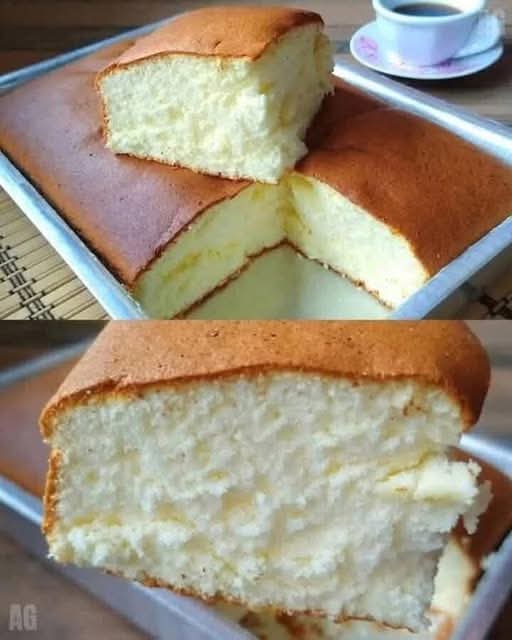
For anyone managing diabetes, the world of desserts can feel like a minefield of restrictions and “off-limits” signs. But what if you could enjoy a slice of cloud-like, ethereal cake—a dessert known for its incredible lightness—without derailing your blood sugar management goals? Enter the Diabetic-Friendly Cotton Cake, a masterpiece of mindful baking that proves healthy desserts can be utterly indulgent.
This isn’t just a simple substitution recipe; it’s a reimagining of the classic Chinese or Japanese cotton cake, a hybrid between a sponge cake and a soufflé, renowned for its delicate, jiggly texture and fine crumb. Our version prioritizes low-glycemic ingredients, high-quality fats and proteins, and intelligent sweeteners to create a treat that’s as kind to your body as it is delightful to your senses. It’s the perfect answer for a guilt-free dessert, a special celebration cake that everyone can enjoy, or a satisfying diabetic-friendly sweet treat to curb cravings.
Understanding the “Cotton Cake” & The Diabetic-Friendly Approach
Traditional cotton cake gets its signature texture from a careful process of folding a cooked flour-oil-milk paste into whipped egg whites. It’s naturally less sweet than many Western cakes, making it an excellent starting point for adaptation.
Our diabetic-friendly version focuses on three key principles:
Zero Refined Sugars: We eliminate white and brown sugar, using scientifically-backed sugar substitutes for baking that have minimal impact on blood glucose.
Smart Flour Choices: While we use a small amount of cake flour for structure, we balance it with protein-rich elements. For a lower-carb cake option, we provide an almond flour variation.
Healthy Fats & Added Nutrition: Using oils like avocado or macadamia nut oil and incorporating ingredients like Greek yogurt adds beneficial fats and protein, which help slow the absorption of any carbohydrates.
Ingredient Deep Dive: The Science of Sweetness & Structure
Choosing the right ingredients is crucial for success in both texture and health profile.
The Sweeteners (The Most Critical Choice):
· Allulose or Monk Fruit Blend (1:1 sugar substitute): This is our top recommendation. Allulose is a rare sugar that has nearly zero calories and does not raise blood sugar levels. It also caramelizes and behaves almost identically to real sugar in baking. A monk fruit and erythritol blend (like Lakanto) is another excellent choice. Avoid pure stevia or aspartame in this recipe, as they can leave a bitter aftertaste and don’t provide the necessary bulk for the cake’s structure.
The Foundation:
· Eggs (6, separated): The star of the show. The yolks provide richness and emulsification, while the whipped egg whites are the primary leavening agent, creating the “cotton” texture. They must be free of any yolk fat to whip properly.
· Cake Flour (3/4 cup, sifted): Cake flour has a lower protein content than all-purpose, resulting in a more tender, fine crumb. For a gluten-free, low-carb cotton cake, see the variation using almond flour and whey protein isolate.
The Flavor & Moisture Agents:
· Neutral Oil (1/3 cup): Such as avocado oil, light olive oil, or macadamia nut oil. These provide moistness with healthier fat profiles than butter, which can weigh down the batter.
· Unsweetened Almond Milk (1/3 cup): Keeps the carb count low. Any unsweetened milk alternative works.
· Plain Greek Yogurt (2 tbsp): Adds a touch of tang, extra protein, and helps stabilize the batter.
· Vanilla Extract & Lemon Juice: For flavor complexity. The lemon juice also helps stabilize the egg whites.
Master Recipe: Classic Diabetic-Friendly Cotton Cake
Prep Time: 25 min | Cook Time: 70 min | Cool Time: 2+ hours | Serves: 12
Ingredients:
· 6 large eggs, cold, separated
· 3/4 cup (150g) allulose or monk fruit/erythritol blend, divided
· 1/3 cup (75ml) neutral oil (avocado, light olive oil)
· 1/3 cup (75ml) unsweetened almond milk
· 2 tbsp plain Greek yogurt (full-fat)
· 1 tsp pure vanilla extract
· 3/4 cup (90g) cake flour, sifted TWICE
· 1/4 tsp salt
· 1/2 tsp cream of tartar (or 1 tbsp lemon juice)
Instructions:
- Prepare the Pan & Oven:
· Preheat oven to 300°F (150°C). This low-and-slow bake is essential for the even rise and jiggly texture.
· Line the bottom of an 8-inch round cake pan with parchment paper. Do NOT grease the sides. The cake needs to cling to the sides to rise properly. Place the pan inside a larger roasting pan.
- Make the Cooked Flour Paste (Tangzhong Method):
· In a small saucepan, whisk the oil and cake flour over low heat for 45-60 seconds until it forms a smooth, warm paste. This “cooks” the flour, hydrates the starch, and is the secret to the moist, fluffy texture.
· Gradually whisk in the almond milk until smooth. Remove from heat.
· Whisk in the Greek yogurt, vanilla extract, and egg yolks until you have a smooth, thick, yellow batter. Set aside.
- Whip the Egg Whites to Stiff Peaks:
· In a scrupulously clean, grease-free bowl, combine the egg whites, cream of tartar (or lemon juice), and salt.
· Using a stand or hand mixer, whip on medium speed until foamy. Gradually add the sweetener, 1 tablespoon at a time.
· Increase speed to high and whip until you reach stiff, glossy peaks. The meringue should hold its shape when the whisk is lifted. This is the most critical step.
- Gently Fold & Combine:
· Take one-third of the whipped egg whites and vigorously stir it into the yolk-flour batter to lighten it.
· Now, gently fold the remaining egg whites into the batter in two additions. Use a wide spatula and a “J” folding motion, rotating the bowl, until just combined and no large white streaks remain. Do not overmix and deflate the air.
- The Water Bath Bake:
· Pour the batter into the prepared pan. Smooth the top. Tap the pan lightly on the counter to release large air bubbles.
· Place the cake pan inside the larger roasting pan. Carefully pour hot water into the roasting pan until it comes halfway up the sides of the cake pan.
· Bake for 65-75 minutes. The cake is done when the top is a deep golden brown, it springs back lightly to the touch, and a toothpick inserted near the center comes out clean.
- The Crucial Cool Down:
· Turn off the oven and crack the door open. Let the cake sit in the cooling oven for 15 minutes to prevent sudden collapse.
· Remove from the oven and water bath. Immediately run a thin knife or offset spatula around the edges to loosen the cake from the pan.
· Invert the cake onto a plate, peel off the parchment, then re-invert onto a cooling rack. Let it cool completely (at least 2 hours) before slicing. The texture sets as it cools.
Pro-Tips for Baking Success
· Egg Temperature: Use cold eggs for the easiest separation and the most stable meringue.
· “Grease-Free” is Key: Any fat in the egg white bowl will prevent proper whipping. Wipe your bowl and whisk with vinegar or lemon juice before starting.
· Patience with Peaks: Don’t under-whip the meringue. Stiff peaks are non-negotiable for the cake’s structure.
· The Water Bath: This gentle, steamy heat is what gives the cotton cake its unique, moist texture and prevents cracking.
· Cool Completely: Cutting into a warm cake will cause it to deflate. Wait for it to fully set.
Lower-Carb, Gluten-Free Variation: Almond Flour Protein Cotton Cake
For a more substantial, low-glycemic dessert with higher protein and fiber:
Modify the recipe as follows:
· Omit the cake flour.
· Use: 1 cup (100g) super-fine blanched almond flour + 1/4 cup (25g) unflavored whey protein isolate (or vanilla).
· Increase Greek yogurt to 1/4 cup.
· Add 1/2 tsp baking powder to the almond flour mixture.
Method: Follow the same process, whisking the almond flour and protein powder into the hot oil to make the paste. Proceed with the recipe. The bake time may be slightly shorter (check at 60 minutes). This version is denser but incredibly moist and satisfying.
Serving Suggestions & Flavor Twists
· Simple & Elegant: Dust with a tiny amount of powdered erythritol and serve with fresh, low-glycemic berries (raspberries, blackberries, strawberries).
· Citrus Zest: Add the zest of one lemon or orange to the yolk batter for a bright, fresh flavor.
· Matcha or Cocoa: Sift 1 tbsp of unsweetened cocoa powder or culinary-grade matcha powder with the flour.
· Diabetic-Friendly “Frosting”: A simple dollop of whipped cream (sweetened with a drop of vanilla stevia) or a spread of sugar-free cream cheese frosting.
Nutrition & Portion Guidance
A Note on “Diabetic-Friendly”: This cake is designed to have a significantly lower glycemic impact than traditional cake. However, individual blood sugar responses vary.
· Always practice portion control. One modest slice (1/12th of the cake) is a recommended serving.
· Pair with protein or fiber, such as a handful of nuts or a scoop of Greek yogurt, to further blunt any glucose response.
· Monitor your blood sugar 1-2 hours after trying it for the first time to understand your personal reaction.
Storage & FAQs
Storage: Store covered at room temperature for 1 day, or in the refrigerator for up to 5 days. It can also be frozen, tightly wrapped, for up to 2 months. Thaw in the refrigerator.
Frequently Asked Questions:
Q: My cake collapsed! What went wrong?
A:The most common culprits are: under-whipped egg whites, overmixing during folding, opening the oven door during baking, skipping the gradual cool-down in the oven, or cutting it while still warm.
Q: Can I use a different sugar substitute?
A:Allulose or a monk fruit blend are the only recommended 1:1 substitutes for this recipe. Others like pure erythritol can recrystallize and create a “cooling” sensation, while liquid stevia lacks the necessary bulk.
Q: Is this cake keto-friendly?
A:The classic version with cake flour is low-glycemic but not keto. The almond flour variation is a much better fit for a ketogenic diet.
Q: It tastes a bit “eggy.” How can I reduce that?
A:Ensuring the flour paste is properly cooked and using high-quality vanilla and a touch of lemon juice helps mask any eggy flavor. The almond flour version has a stronger flavor that overshadows the eggs.
Conclusion: Redefining Indulgence
This Diabetic-Friendly Cotton Cake is more than a recipe; it’s an invitation to experience the joy of baking and sharing a beautiful dessert without fear or compromise. It celebrates the artistry of texture and the intelligence of modern ingredient swaps. By focusing on wholesome components and precise technique, you create a dessert that aligns with a healthy lifestyle while satisfying the deepest cravings for something soft, sweet, and celebratory.
So, preheat your oven, separate your eggs with care, and prepare to pull a golden, jiggly masterpiece from the water bath. The result is a testament to the fact that managing health and indulging in life’s sweet moments can, indeed, go hand in hand.
More Recipes You Might Like
-

Honey Garlic Glazed Chicken Wings
Introduction Honey Garlic Glazed Chicken Wings are a delicious combination of crispy chicken wings coated in a sweet, savory, and garlicky glaze. The caramelized honey creates a beautiful glossy finish, while garlic and seasonings add depth and flavor. They are perfect for family dinners, game-day gatherings, parties, or a satisfying appetizer. Origin Honey garlic is…
-

Crispy Meat and Herb
Introduction Crispy Meat and Herb is a hearty, flavorful dish that combines tender, well-seasoned meat with a deliciously crisp exterior and fragrant herbs. It is easy to prepare and makes a satisfying main course for family dinners, gatherings, or weekend meals. Origin Crispy meat dishes appear in many culinary traditions around the world, where browning…
-

Bay Leaf and Clove Herbal Tea
Bay Leaf and Clove Herbal Tea Introduction Bay Leaf and Clove Herbal Tea is a warm, aromatic infusion made with fragrant bay leaves and spicy cloves. It is simple to prepare, naturally caffeine-free, and often enjoyed as a comforting drink after meals or during quiet moments. The combination creates a pleasantly spicy, earthy flavor with…