

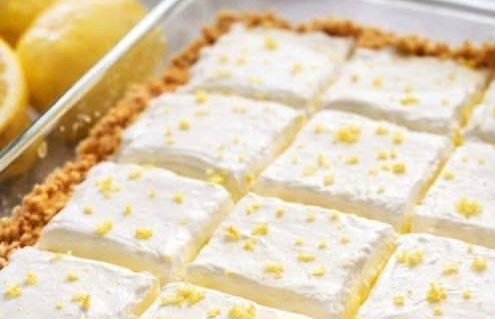
Introduction
is one of Italy’s most beloved rustic desserts, known for its comforting balance of creamy custard and buttery pastry. Its name literally means “Grandmother’s cake,” reflecting its homestyle roots and nostalgic appeal. This classic tart brings together simple ingredients transformed into something elegant, warm, and deeply satisfying.
Origin
This dessert originates from Tuscany, Italy, where it became popular in the early 20th century. While not an ancient medieval recipe, it quickly earned “traditional” status due to its widespread adoption in Italian households and bakeries. It reflects the Tuscan philosophy of cucina povera—making something extraordinary from humble pantry ingredients like flour, eggs, milk, and sugar.
Cultural Significance
is more than just a dessert; it represents family tradition and home cooking. In Italy, it is commonly served at Sunday lunches, family gatherings, and festive occasions. The pine nuts sprinkled on top symbolize warmth and generosity, while the custard filling evokes comfort and care—qualities often associated with “nonna” (grandmother) cooking.
Ingredients Quantity
For the pastry crust:
- 2 ½ cups (310 g) all-purpose flour
- ½ cup (100 g) sugar
- 1 cup (225 g) unsalted butter (cold, cubed)
- 2 large eggs
- 1 tsp vanilla extract
- Pinch of salt
For the custard filling:
- 4 cups (1 liter) whole milk
- ¾ cup (150 g) sugar
- ½ cup (60 g) cornstarch
- 4 large egg yolks
- 1 tsp vanilla extract
- Lemon zest (from 1 lemon)
Topping:
- ½ cup (60 g) pine nuts
- Powdered sugar for dusting
Optional Additions
- A splash of limoncello for a citrus twist
- Orange zest instead of lemon for a sweeter aroma
- A thin layer of dark chocolate beneath the custard
- Almond slivers mixed with pine nuts
- A hint of cinnamon in the pastry dough
Tips for Success
- Keep the butter cold to ensure a flaky crust
- Whisk custard constantly to avoid lumps
- Chill the pastry before rolling it out
- Toast pine nuts lightly for deeper flavor
- Let the tart cool completely before slicing for clean layers
Instructions
- Prepare the pastry dough by mixing flour, sugar, salt, and butter until crumbly.
- Add eggs and vanilla, then knead gently until smooth. Chill for 30–60 minutes.
- Heat milk with lemon zest until warm (not boiling).
- In a bowl, whisk egg yolks, sugar, and cornstarch until smooth.
- Slowly add warm milk to the egg mixture, then return to heat. Stir until thickened into custard. Add vanilla and cool.
- Roll out two-thirds of the dough and line a tart pan.
- Pour cooled custard into the crust.
- Cover with remaining dough, sealing edges carefully.
- Sprinkle pine nuts on top.
- Bake at 350°F (175°C) for 35–40 minutes until golden.
- Cool completely, then dust with powdered sugar.
Description
features a golden, tender pastry shell filled with silky vanilla custard and crowned with lightly toasted pine nuts. The texture contrast between crisp crust and creamy filling creates a dessert that feels both luxurious and homey at the same time.
Nutritional Information (Approx. per slice)
- Calories: 320–380 kcal
- Carbohydrates: 40–45 g
- Fat: 15–18 g
- Protein: 6–8 g
- Sugar: 20–25 g
- Contains dairy, eggs, and gluten
Conclusion
remains a timeless example of Italian baking heritage. Its simplicity, elegance, and comforting flavor make it a dessert that transcends generations and continues to be cherished worldwide.
Recommendation
This tart is ideal for family dinners, holidays, or whenever you want a dessert that feels both refined and nostalgic. It pairs beautifully with espresso or a light dessert wine.
Embracing Healthful Indulgence
While rich in butter, sugar, and cream, this dessert can still be enjoyed mindfully. Savoring smaller portions allows you to appreciate its depth of flavor without overindulgence. You can also lighten the recipe slightly by reducing sugar or using low-fat milk, while still preserving its traditional character.