

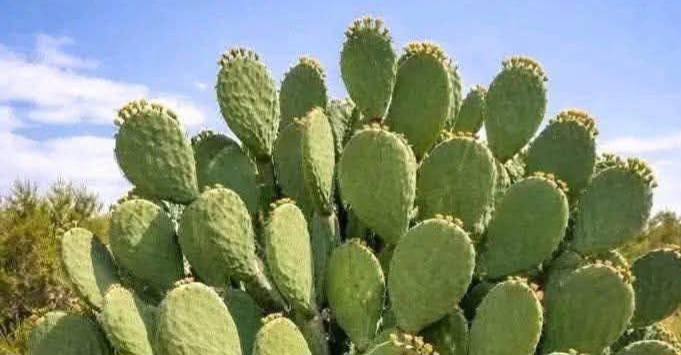
Cactus or Cactus Known as Plant of Life
Introduction
The cactus, often referred to as the “Plant of Life,” is one of nature’s most resilient and fascinating plants. Known for thriving in harsh desert climates, cacti symbolize endurance, adaptability, and survival. Beyond their striking appearance, many cactus varieties provide nutritional, medicinal, and environmental benefits. Certain species, especially prickly pear cactus, are widely consumed as food and used in traditional healing practices around the world.
Origin
Cacti originated in the Americas and are native primarily to North, Central, and South America. They evolved thousands of years ago in arid desert regions where water conservation was essential for survival. Indigenous communities in Mexico and surrounding regions cultivated and utilized cacti for food, hydration, medicine, and spiritual practices long before modern agriculture developed.
One of the most recognized edible cactus species is the , valued for both its pads (nopales) and colorful fruits.
Cultural Significance
Cactus plants hold deep cultural and spiritual significance in many societies, especially in desert regions. In Mexican culture, the cactus is a national symbol associated with strength and heritage. Indigenous peoples viewed the plant as sacred because it provided nourishment and water in dry environments. Today, cacti continue to represent resilience, protection, and the ability to flourish under difficult conditions.
In traditional medicine, cactus has been used to support digestion, hydration, and overall wellness. Its popularity has expanded globally due to growing interest in natural foods and sustainable agriculture.
Ingredients Quantity
Main Ingredients for a Simple Cactus Dish or Drink
- 2 cups fresh cactus pads (nopales), cleaned and diced
- 1 tablespoon olive oil
- 1 small onion, chopped
- 2 cloves garlic, minced
- 1 tomato, diced
- 1/2 teaspoon salt
- 1/4 teaspoon black pepper
- 1 tablespoon lemon or lime juice
For a Cactus Juice Variation
- 1 cup cactus fruit or cactus gel
- 2 cups water
- 1 tablespoon honey
- Juice of 1 lemon
Optional Additions
- Jalapeños for spice
- Fresh cilantro
- Cucumbers
- Pineapple chunks
- Chia seeds
- Mint leaves
- Avocado slices
- Cheese for savory dishes
Tips for Success
- Carefully remove cactus spines before handling.
- Rinse thoroughly to reduce sliminess.
- Boil or grill cactus pads for a milder texture.
- Use fresh cactus for the best flavor and nutrients.
- Pair cactus with citrus ingredients to brighten the taste.
- Avoid overcooking to maintain texture and color.
Instructions
Preparing a Simple Cactus Dish
- Wash and carefully clean the cactus pads.
- Dice the cactus into small cubes.
- Boil the cactus pieces for 10–15 minutes until tender.
- Drain and rinse to remove excess sticky texture.
- Heat olive oil in a skillet over medium heat.
- Sauté onion and garlic until fragrant.
- Add tomatoes and cook for 2 minutes.
- Stir in the cactus pieces.
- Season with salt, pepper, and lemon juice.
- Cook for another 5 minutes and serve warm.
Preparing Cactus Juice
- Blend cactus fruit or gel with water.
- Add lemon juice and honey.
- Blend until smooth.
- Strain if desired.
- Serve chilled over ice.
Description
Cactus has a refreshing, mildly tangy flavor with a texture similar to green beans or okra. Cooked cactus becomes tender while maintaining a pleasant bite. Cactus drinks are cooling and hydrating, making them particularly enjoyable in warm climates. The plant’s unique appearance and versatility make it valuable both as a decorative plant and a nutritious food source.
Nutritional Information
Approximate values per serving of cooked cactus:
- Calories: 40
- Protein: 2g
- Fat: 1g
- Carbohydrates: 7g
- Fiber: 3g
- Vitamin C: High
- Magnesium: Moderate
- Calcium: Moderate
- Antioxidants: Present
Nutritional values may vary depending on preparation and ingredients used.
Conclusion
The cactus truly earns its reputation as the “Plant of Life” through its remarkable resilience, practical uses, and nutritional value. From traditional healing to modern healthy cuisine, cactus continues to play an important role in cultures and kitchens around the world. Its ability to thrive in harsh conditions serves as a powerful reminder of strength and endurance in nature.
Recommendation
For beginners, start by trying cooked nopales in salads, tacos, or scrambled eggs. Cactus juice and smoothies are also excellent ways to enjoy its refreshing qualities. Choose fresh, properly cleaned cactus pads from trusted markets for the best experience.
Embracing Healthful Indulgence
Incorporating cactus into your diet is a wonderful way to enjoy nutritious, plant-based foods while exploring traditional culinary practices. Rich in fiber, antioxidants, and hydration-supporting nutrients, cactus can complement a balanced lifestyle. By preparing it with fresh vegetables, healthy oils, and natural seasonings, you can enjoy a flavorful and nourishing experience that supports wellness and mindful eating.