

Introduction
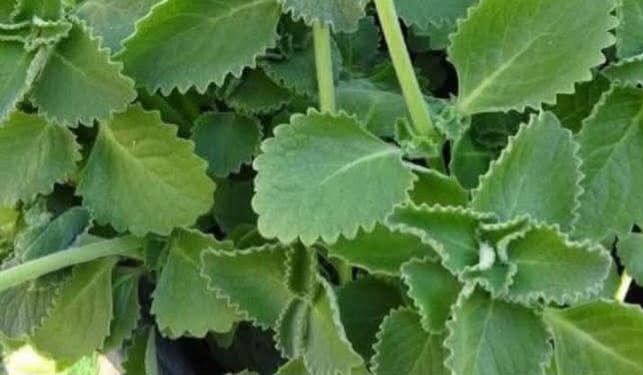
Cuban oregano is a bold, aromatic herb prized for its robust flavor, medicinal heritage, and versatility in the kitchen. Despite its name, Cuban oregano is not true oregano but a fragrant succulent herb known scientifically as . It is also commonly called Spanish thyme, Indian borage, or Mexican mint depending on the region.
With its thick velvety leaves and intensely savory aroma, Cuban oregano adds depth and richness to soups, marinades, meats, vegetables, and herbal teas. Its flavor is stronger than traditional oregano, carrying notes reminiscent of thyme, oregano, mint, and camphor all at once.
Whether used fresh or cooked, Cuban oregano offers a distinctive culinary experience that bridges comfort, tradition, and wellness.
Origin
Cuban oregano is believed to have originated in parts of Africa and Asia before spreading throughout the Caribbean, Latin America, India, and tropical regions worldwide. Due to its adaptability and medicinal reputation, the plant became a household staple in many cultures.
In Caribbean cuisine, Cuban oregano became especially valued for seasoning meats, stews, and rice dishes. Across India and Southeast Asia, it was traditionally used in herbal remedies and savory cooking. Its resilience and ease of cultivation helped it flourish in home gardens where families relied on it for both flavor and natural wellness support.
Today, Cuban oregano remains cherished in tropical and subtropical cuisines around the globe.
Cultural Significance
Cuban oregano holds deep significance in many traditional food and wellness cultures:
- Caribbean households use it in marinades, soups, and comfort dishes.
- Indian herbal traditions value it for soothing and aromatic preparations.
- Home gardeners appreciate its medicinal heritage and hardy nature.
- Tropical cuisines celebrate its strong flavor as a key seasoning ingredient.
- Modern herbal enthusiasts admire its natural versatility and fragrance.
The herb symbolizes the longstanding connection between culinary traditions and natural healing practices.
Ingredients Quantity
Cuban Oregano Garlic Marinade Recipe
- 6 fresh Cuban oregano leaves, finely chopped
- 4 garlic cloves, minced
- 2 tablespoons olive oil
- 1 tablespoon lime juice
- 1 teaspoon sea salt
- 1/2 teaspoon black pepper
- 1 teaspoon paprika
- 1/2 teaspoon cumin
For Cooking
- 1 pound chicken, fish, tofu, or vegetables
- Extra olive oil for cooking if needed
Optional Additions
Enhance the recipe with flavorful ingredients such as:
- Fresh cilantro
- Chili flakes
- Lemon zest
- Honey
- Coconut milk
- Onion powder
- Fresh thyme
- Ginger
- Bell peppers
- Tomatoes
Tips for Success
- Use Cuban oregano sparingly at first because its flavor is quite potent.
- Fresh leaves provide the best aroma and taste.
- Chop the leaves finely to distribute flavor evenly.
- Pair the herb with garlic, citrus, and olive oil for balanced seasoning.
- Avoid overcooking to preserve its fragrant oils.
- Taste as you cook to prevent overpowering the dish.
- Store fresh leaves refrigerated in a sealed container for several days.
Instructions
Step 1: Prepare the Herb
Wash the Cuban oregano leaves thoroughly and pat dry. Finely chop them using a sharp knife.
Step 2: Make the Marinade
In a bowl, combine chopped Cuban oregano, garlic, olive oil, lime juice, paprika, cumin, salt, and black pepper.
Step 3: Marinate the Ingredients
Coat the chicken, fish, tofu, or vegetables evenly with the marinade. Allow to rest for at least 30 minutes.
Step 4: Cook
Grill, bake, sauté, or roast the marinated ingredients until fully cooked and golden.
Step 5: Serve
Serve warm alongside rice, roasted vegetables, salad, or flatbread.
Description
Cuban oregano delivers an intensely savory flavor that instantly elevates dishes with herbal richness and aromatic warmth. Its thick succulent leaves release a powerful fragrance when chopped, creating an inviting blend of thyme-like earthiness and minty freshness.
The marinade infuses foods with deep complexity while maintaining a fresh, vibrant finish that feels comforting yet exciting.
Nutritional Information
Approximate Nutrition Per Serving
- Calories: 120–180 (depending on protein or vegetables used)
- Protein: Varies
- Healthy fats: 7–10 grams
- Carbohydrates: 2–5 grams
- Fiber: 1–2 grams
- Antioxidants: Naturally occurring in herbs and spices
Potential Wellness Benefits
- Naturally aromatic and flavorful
- May support reduced salt usage by enhancing flavor naturally
- Contains plant-based antioxidant compounds
- Fresh herbs contribute micronutrients and freshness
- Encourages wholesome home cooking
Conclusion
Cooking with Cuban oregano introduces bold flavor, tropical tradition, and herbal richness into everyday meals. Its versatility allows it to complement a wide range of ingredients while adding unmistakable depth and warmth.
From marinades and soups to herbal infusions and roasted dishes, Cuban oregano remains a treasured ingredient rooted in generations of culinary wisdom.
Recommendation
Begin with simple recipes such as marinades, roasted vegetables, or soups to become familiar with Cuban oregano’s powerful flavor. Pair it with citrus, garlic, and olive oil for especially balanced and delicious results.
Home gardeners may also enjoy growing Cuban oregano indoors or outdoors due to its hardy and low-maintenance nature.
Embracing Healthful Indulgence
True culinary indulgence comes not only from richness but from vibrant flavor, fresh ingredients, and meaningful traditions. Cuban oregano embodies this philosophy by transforming ordinary dishes into deeply aromatic and satisfying meals.
By embracing this remarkable herb, you celebrate the beauty of wholesome cooking, cultural heritage, and nature’s ability to nourish both body and spirit.