

Introduction
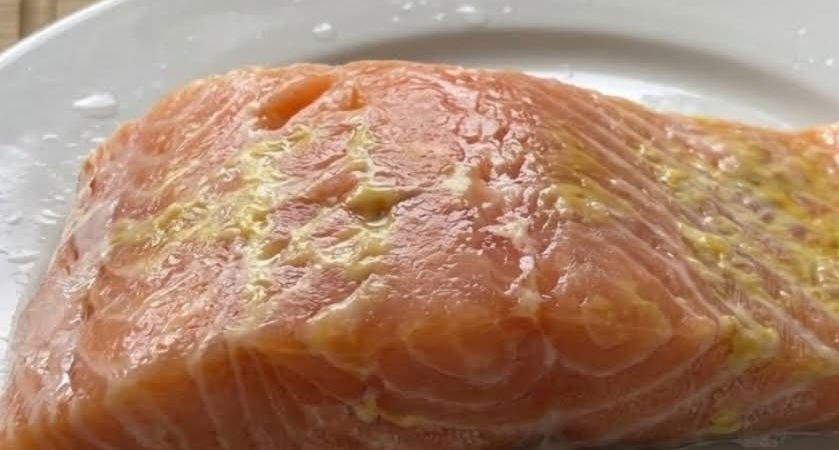
Finding yellow discoloration on defrosted salmon can be surprising and concerning for home cooks. While fresh salmon is typically known for its vibrant pink, orange, or red hues, yellow patches may occasionally appear after freezing and thawing. In many cases, this color change is harmless and related to natural fat content, oxidation, or storage conditions. Understanding why salmon develops yellow areas can help you determine whether it remains safe to eat and how to maintain optimal quality.
Origin
Salmon has been an important food source for coastal communities across North America, Europe, and Asia for thousands of years. As freezing technology became widely available, freezing and thawing salmon became common methods for preserving freshness and extending shelf life. The appearance of yellow discoloration on thawed salmon is largely associated with modern storage practices rather than traditional preparation methods.
Cultural Significance
Salmon holds significant cultural importance in many regions around the world. Indigenous communities along the Pacific coast have long regarded salmon as a vital source of sustenance and cultural identity. In contemporary cuisine, salmon is prized for its flavor, versatility, and nutritional benefits. Understanding proper seafood storage and quality assessment reflects the broader culinary emphasis on food safety and responsible consumption.
Common Causes of Yellow Discoloration
1. Natural Fat Oxidation
Salmon contains healthy fats, particularly omega-3 fatty acids. Over time, exposure to air can cause these fats to oxidize, resulting in yellowish patches on the fish’s surface.
2. Freezer Burn
Improper packaging may allow air to reach the salmon during freezing. This can lead to dehydration and discoloration, often appearing as pale yellow, gray, or dry areas.
3. Fat Deposits
Some salmon naturally contain pockets of fat that may appear yellowish after thawing. These areas are typically harmless and part of the fish’s normal composition.
4. Storage Duration
Extended freezer storage can gradually affect color and texture, even when the fish remains safe to eat. Longer storage periods increase the likelihood of visible color changes.
5. Processing and Handling
Variations in freezing methods, packaging quality, and transportation conditions can contribute to minor discoloration that becomes noticeable after thawing.
Signs the Salmon Is Still Safe
- Mild yellowing limited to fatty areas
- Fresh or neutral seafood smell
- Firm texture
- No excessive slime
- No green, black, or unusual colored spots
- Properly stored and frozen within recommended timeframes
Warning Signs to Discard Salmon
- Strong sour, ammonia-like, or rotten odor
- Sticky or excessively slimy texture
- Mold growth
- Significant discoloration accompanied by off smells
- Evidence of spoilage after improper thawing
Optional Preventive Measures
- Vacuum-seal salmon before freezing
- Store at consistent freezer temperatures
- Use frozen salmon within 2–3 months for best quality
- Thaw in the refrigerator rather than at room temperature
- Minimize exposure to air during storage
Tips for Success
- Inspect salmon before freezing and after thawing.
- Label packages with freezing dates.
- Use airtight packaging to reduce oxidation.
- Pat thawed salmon dry before cooking.
- Cook thawed salmon promptly for the best flavor and texture.
- Trust both visual appearance and smell when evaluating freshness.
Instructions for Evaluating Defrosted Salmon
Step 1: Examine the Color
Look for small yellow patches, especially near fatty areas. Mild discoloration alone does not necessarily indicate spoilage.
Step 2: Check the Texture
The fish should feel firm and moist rather than sticky or mushy.
Step 3: Smell the Salmon
Fresh salmon should have a mild ocean-like scent. Strong unpleasant odors suggest spoilage.
Step 4: Assess Storage History
Consider how long the salmon was frozen and whether it remained consistently frozen.
Step 5: Decide on Use
If the fish smells fresh, feels firm, and shows only minor yellowing, it is generally suitable for cooking.
Description
Yellow discoloration on defrosted salmon typically appears as pale yellow patches or streaks on the surface or within fatty portions of the fish. In many instances, this is simply a result of natural fat oxidation or freezer-related changes rather than spoilage. The overall condition of the salmon—including smell, texture, and storage history—provides a more reliable indicator of quality than color alone.
Nutritional Information
Typical Nutritional Value of Cooked Salmon (Per 100g)
- Calories: 200–230
- Protein: 22–25g
- Fat: 12–14g
- Omega-3 Fatty Acids: 1.5–2.5g
- Carbohydrates: 0g
- Vitamin D: 50–70% of Daily Value
- Vitamin B12: 80–100% of Daily Value
- Selenium: 50–60% of Daily Value
Minor yellow discoloration does not significantly affect the nutritional value if the salmon remains fresh and safe to consume.
Conclusion
Yellow patches on defrosted salmon are often a normal result of oxidation, freezer storage, or natural fat deposits. While the discoloration may look unusual, it does not automatically mean the fish has spoiled. Evaluating the fish’s smell, texture, and storage conditions provides a more accurate assessment of its quality and safety.
Recommendation
Always store salmon in airtight packaging and freeze it promptly to maintain its quality. When thawing, use refrigerator thawing whenever possible and inspect the fish carefully before cooking. If there are no signs of spoilage beyond mild yellowing, the salmon is generally suitable for consumption.
Embracing Healthful Indulgence
Salmon remains one of the most nutritious protein choices available, offering high-quality protein, heart-healthy omega-3 fatty acids, and essential vitamins and minerals. Understanding natural changes that occur during freezing and thawing can help reduce unnecessary food waste while allowing you to continue enjoying salmon as part of a balanced and health-conscious diet.