

Introduction
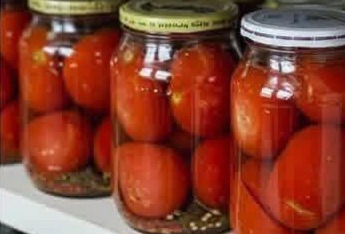
Tomatoes are one of the most versatile and beloved ingredients in kitchens around the world. Preserving them allows you to enjoy their vibrant flavor, color, and nutritional benefits long after the harvest season has ended. One traditional preservation method involves carefully processing tomatoes without the use of vinegar, artificial preservatives, or excessive additives. When properly canned and stored, tomatoes can remain safe and flavorful for up to two years, making them a valuable pantry staple for soups, sauces, stews, and countless other recipes.
Origin
The practice of preserving tomatoes dates back to the 19th century, shortly after home canning became popular. As tomato cultivation spread from the Americas to Europe and beyond, families sought ways to extend the availability of their harvest. Traditional water-bath and pressure-canning methods enabled households to store tomatoes for months or even years, ensuring a reliable food supply throughout the year.
Cultural Significance
Tomato preservation is deeply rooted in many agricultural communities. In countries such as Italy, Spain, Portugal, and across North and South America, preserving tomatoes is often a family tradition passed down through generations. Annual canning days bring relatives and neighbors together to prepare large batches of tomatoes, celebrating both the harvest and the value of self-sufficiency.
Ingredients Quantity
For approximately 6–8 quart jars:
- 10–12 pounds (4.5–5.5 kg) ripe tomatoes
- Clean water (for blanching and processing)
- 1 teaspoon citric acid per quart jar (optional for added acidity and safety)
- 2 tablespoons bottled lemon juice per quart jar (optional alternative to citric acid)
Note: No vinegar or chemical preservatives are required.
Optional Additions
- Fresh basil leaves
- Garlic cloves
- Celery leaves
- Fresh oregano
- Black peppercorns
- Onion slices
These additions enhance flavor but should be used sparingly to maintain proper preservation conditions.
Tips for Success
- Choose firm, ripe, blemish-free tomatoes.
- Avoid overripe or damaged fruit.
- Sterilize jars and lids thoroughly before use.
- Remove air bubbles from filled jars before sealing.
- Leave appropriate headspace (about ½ inch).
- Store jars in a cool, dark, dry location.
- Label jars with the preservation date.
- Inspect seals regularly during storage.
Instructions
Step 1: Prepare the Tomatoes
- Wash tomatoes thoroughly under cool running water.
- Remove stems and any damaged portions.
- Bring a large pot of water to a boil.
- Blanch tomatoes for 30–60 seconds until skins begin to loosen.
- Transfer immediately to ice water.
- Peel away the skins and core the tomatoes.
Step 2: Prepare the Jars
- Wash jars, lids, and bands in hot soapy water.
- Sterilize jars according to safe canning procedures.
- Keep jars hot until ready to fill.
Step 3: Fill the Jars
- Pack peeled tomatoes into hot jars.
- Press gently to release natural juices.
- Add optional lemon juice or citric acid if desired.
- Leave ½ inch headspace.
- Remove trapped air bubbles using a non-metallic utensil.
- Wipe jar rims clean.
Step 4: Seal the Jars
- Place lids on jars.
- Screw bands on until fingertip tight.
Step 5: Process the Jars
- Place jars in a boiling-water canner or pressure canner according to approved canning guidelines.
- Ensure jars are fully covered with water if using a water-bath method.
- Process for the recommended time based on jar size and altitude.
- Carefully remove jars and place on a towel.
Step 6: Cool and Store
- Allow jars to cool undisturbed for 12–24 hours.
- Check seals by pressing the center of each lid.
- Remove bands if desired.
- Store sealed jars in a cool, dark pantry.
Description
This preservation method captures the pure taste of fresh tomatoes without relying on vinegar or commercial preservatives. Properly processed tomatoes retain their natural sweetness, bright color, and rich texture, making them ideal for homemade sauces, soups, casseroles, and pasta dishes throughout the year.
Nutritional Information
Per 1 cup preserved tomatoes (approximate):
- Calories: 35
- Protein: 2 g
- Carbohydrates: 7 g
- Dietary Fiber: 2 g
- Sugars: 5 g
- Fat: 0 g
- Vitamin C: 25% DV
- Vitamin A: 20% DV
- Potassium: 10% DV
- Lycopene: High
Values may vary depending on tomato variety and preparation.
Conclusion
Preserving tomatoes without vinegar or preservatives is a time-honored technique that allows you to enjoy the freshness of summer harvests throughout the year. With careful preparation, proper canning practices, and appropriate storage conditions, tomatoes can remain delicious and useful for up to two years.
Recommendation
For the best results, use freshly harvested, high-quality tomatoes and follow safe canning procedures meticulously. Consider preparing multiple jar sizes so you can conveniently use only what you need for different recipes. Always discard any jar that shows signs of spoilage, leakage, mold, or an unsealed lid.
Embracing Healthful Indulgence
Preserving your own tomatoes is a rewarding way to reduce food waste, enjoy seasonal produce year-round, and maintain control over the ingredients in your pantry. Free from unnecessary preservatives and artificial additives, home-preserved tomatoes offer wholesome flavor and nutritional benefits while connecting you to a cherished culinary tradition.