

Introduction
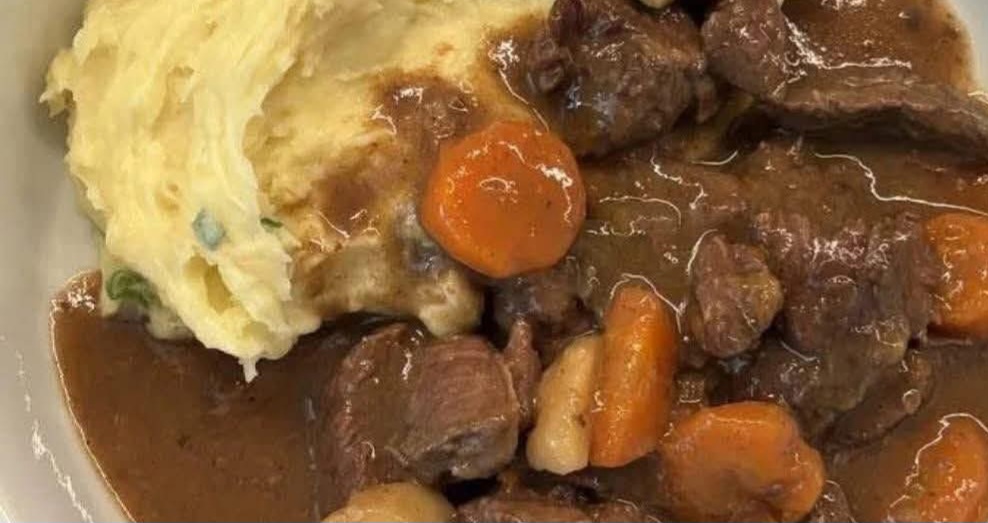
Rabbit Stew is a comforting, rustic dish that has been enjoyed for centuries across many cultures. Tender rabbit meat is slowly simmered with vegetables, herbs, and a flavorful broth, creating a rich and nourishing meal perfect for chilly days or family gatherings.
Origin
Rabbit Stew has deep roots in European cuisine, particularly in France, Italy, Spain, and rural regions of the United Kingdom. Historically, rabbits were widely available and provided an affordable, lean source of protein, making this stew a staple in countryside cooking. Over time, different regions adapted the recipe using local herbs, vegetables, and cooking methods.
Cultural Significance
In many rural communities, Rabbit Stew symbolizes resourcefulness and traditional home cooking. It is often prepared during hunting seasons or festive family meals, showcasing the value of using fresh, local ingredients. The dish remains a beloved comfort food that celebrates culinary heritage and sustainable cooking.
Ingredients Quantity
- 2½–3 pounds rabbit, cut into serving pieces
- 2 tablespoons olive oil
- 1 tablespoon butter
- 1 large onion, chopped
- 3 cloves garlic, minced
- 3 carrots, sliced
- 2 celery stalks, sliced
- 3 medium potatoes, cubed
- 2 tablespoons all-purpose flour
- 3 cups chicken or vegetable broth
- ½ cup dry white wine (optional)
- 1 tablespoon tomato paste
- 2 teaspoons fresh thyme (or 1 teaspoon dried)
- 1 teaspoon rosemary
- 2 bay leaves
- Salt and black pepper, to taste
- 2 tablespoons chopped fresh parsley
Optional Additions
- Mushrooms for an earthy flavor
- Peas for sweetness
- Parsnips or turnips for extra vegetables
- Smoked paprika for subtle smokiness
- Fresh rosemary sprigs
- A splash of heavy cream for a richer stew
Tips for Success
- Brown the rabbit well before simmering to enhance flavor.
- Cook slowly over low heat for the most tender meat.
- Avoid overcooking to prevent the rabbit from becoming dry.
- Let the stew rest for 10 minutes before serving to deepen the flavors.
- Serve with crusty bread or buttered noodles to soak up the delicious broth.
Instructions
- Season the rabbit pieces with salt and pepper.
- Heat olive oil and butter in a large Dutch oven over medium-high heat.
- Brown the rabbit on all sides, then remove and set aside.
- Cook the onion, carrots, celery, and garlic until softened.
- Sprinkle in the flour and stir for 1 minute.
- Add the tomato paste, broth, and white wine, stirring until smooth.
- Return the rabbit to the pot.
- Add potatoes, thyme, rosemary, and bay leaves.
- Bring to a gentle boil, then reduce heat, cover, and simmer for 1½ to 2 hours until the rabbit is tender.
- Remove bay leaves, stir in fresh parsley, adjust seasoning, and serve hot.
Description
Rabbit Stew features succulent, slow-cooked rabbit combined with tender vegetables in a savory herb-infused broth. The meat becomes exceptionally tender while the vegetables absorb the rich flavors, creating a hearty and satisfying meal that is both elegant and comforting.
Nutritional Information (Per Serving, Approximate)
- Calories: 360
- Protein: 35g
- Carbohydrates: 20g
- Fat: 14g
- Saturated Fat: 4g
- Fiber: 4g
- Sugar: 5g
- Sodium: 620mg
Conclusion
Rabbit Stew is a timeless dish that combines simple ingredients with slow cooking to create remarkable depth of flavor. Its hearty nature and wholesome ingredients make it an excellent choice for cozy dinners and special family occasions.
Recommendation
Pair Rabbit Stew with warm artisan bread, mashed potatoes, buttered noodles, or creamy polenta. A fresh green salad or steamed seasonal vegetables also complement the rich flavors beautifully.
Embracing Healthful Indulgence
Rabbit is naturally lean and high in protein while being lower in fat than many other meats. Combined with nutritious vegetables and aromatic herbs, Rabbit Stew offers a balanced, satisfying meal that fits well into a wholesome diet. Enjoy it as a nourishing comfort food that celebrates traditional cooking while providing excellent nutritional value.