

Introduction
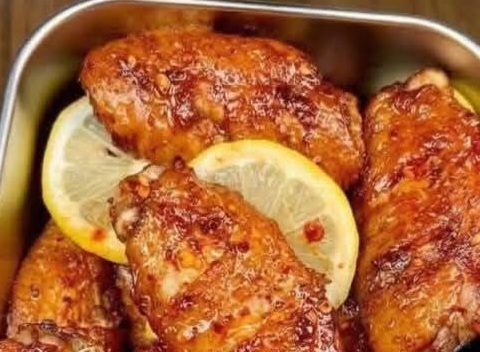
BBQ Back Ribs are a timeless barbecue favorite, celebrated for their tender, juicy meat and smoky, caramelized exterior. Whether cooked low and slow in the oven, smoker, or on the grill, back ribs reward patience with rich flavor and a melt-in-your-mouth texture. This masterclass guide will help you create restaurant-quality ribs at home with confidence.
Origin
Back ribs come from the upper portion of the pig’s rib cage near the loin. They gained widespread popularity in North American barbecue traditions, especially across the United States and Canada. Over time, regional barbecue styles introduced unique dry rubs, sauces, and smoking woods, making BBQ back ribs a beloved staple at cookouts and competitions.
Cultural Significance
Barbecue ribs symbolize togetherness, celebration, and outdoor cooking traditions. They are commonly served during family gatherings, summer holidays, backyard parties, and barbecue festivals. Each barbecue region has its own signature flavors, showcasing the diversity and creativity of barbecue culture.
Ingredients Quantity
For the Ribs
- 2 racks pork back ribs (about 4–5 pounds total)
- 2 tablespoons yellow mustard (binder)
Dry Rub
- ¼ cup brown sugar
- 2 tablespoons paprika
- 1 tablespoon kosher salt
- 2 teaspoons black pepper
- 2 teaspoons garlic powder
- 2 teaspoons onion powder
- 1 teaspoon smoked paprika
- 1 teaspoon chili powder
- ½ teaspoon cayenne pepper (optional)
For Wrapping
- ¼ cup butter, sliced
- 2 tablespoons honey
- 2 tablespoons brown sugar
BBQ Sauce
- 1 cup favorite barbecue sauce
Optional Additions
- Apple juice for moisture while cooking
- Worcestershire sauce for deeper flavor
- Liquid smoke (if baking indoors)
- Maple syrup instead of honey
- Chipotle powder for smoky heat
- Fresh chopped parsley for garnish
Tips for Success
- Remove the membrane from the back of the ribs for maximum tenderness.
- Season generously and allow the rub to rest for at least 30 minutes.
- Cook low and slow at around 225–250°F (107–121°C).
- Avoid cooking over direct high heat.
- Apply barbecue sauce during the final stage to prevent burning.
- Let the ribs rest for 10 minutes before slicing.
- Use a meat thermometer if desired; ribs are typically done around 195–203°F (90–95°C).
Instructions
- Remove the membrane from the back of each rack.
- Lightly coat the ribs with yellow mustard.
- Mix all dry rub ingredients and season both sides generously.
- Preheat your smoker, grill, or oven to 225°F (107°C).
- Cook the ribs for approximately 3 hours.
- Wrap the ribs tightly in foil with butter, honey, and brown sugar.
- Continue cooking for 2 additional hours.
- Carefully unwrap the ribs and brush generously with barbecue sauce.
- Return the ribs to the grill or oven for 20–30 minutes until the sauce becomes sticky and caramelized.
- Rest for 10 minutes before slicing and serving.
Description
Perfect BBQ Back Ribs feature a flavorful bark, juicy interior, and meat that is tender without completely falling off the bone. The sweet, smoky rub pairs beautifully with rich barbecue sauce, creating an irresistible balance of savory, sweet, and smoky flavors.
Nutritional Information
Approximate per serving (based on 6 servings):
- Calories: 610
- Protein: 35g
- Fat: 42g
- Saturated Fat: 15g
- Carbohydrates: 20g
- Sugar: 16g
- Fiber: 1g
- Sodium: 780mg
Nutritional values may vary depending on the barbecue sauce and exact ingredients used.
Conclusion
Mastering BBQ Back Ribs is all about patience, temperature control, and quality seasoning. By following the low-and-slow cooking method, you’ll consistently produce tender, flavorful ribs that rival those from professional barbecue restaurants.
Recommendation
Serve these BBQ Back Ribs with classic barbecue sides such as creamy coleslaw, baked beans, cornbread, grilled corn on the cob, potato salad, or macaroni and cheese. Pair with iced tea, lemonade, or your favorite refreshing beverage for a complete barbecue feast.
Embracing Healthful Indulgence
While BBQ Back Ribs are a hearty comfort food, they can still be enjoyed as part of a balanced lifestyle. Pair them with fresh salads or grilled vegetables, choose a barbecue sauce with reduced sugar if desired, and enjoy moderate portions. Sharing a homemade barbecue meal with family and friends makes the experience both satisfying and memorable.