

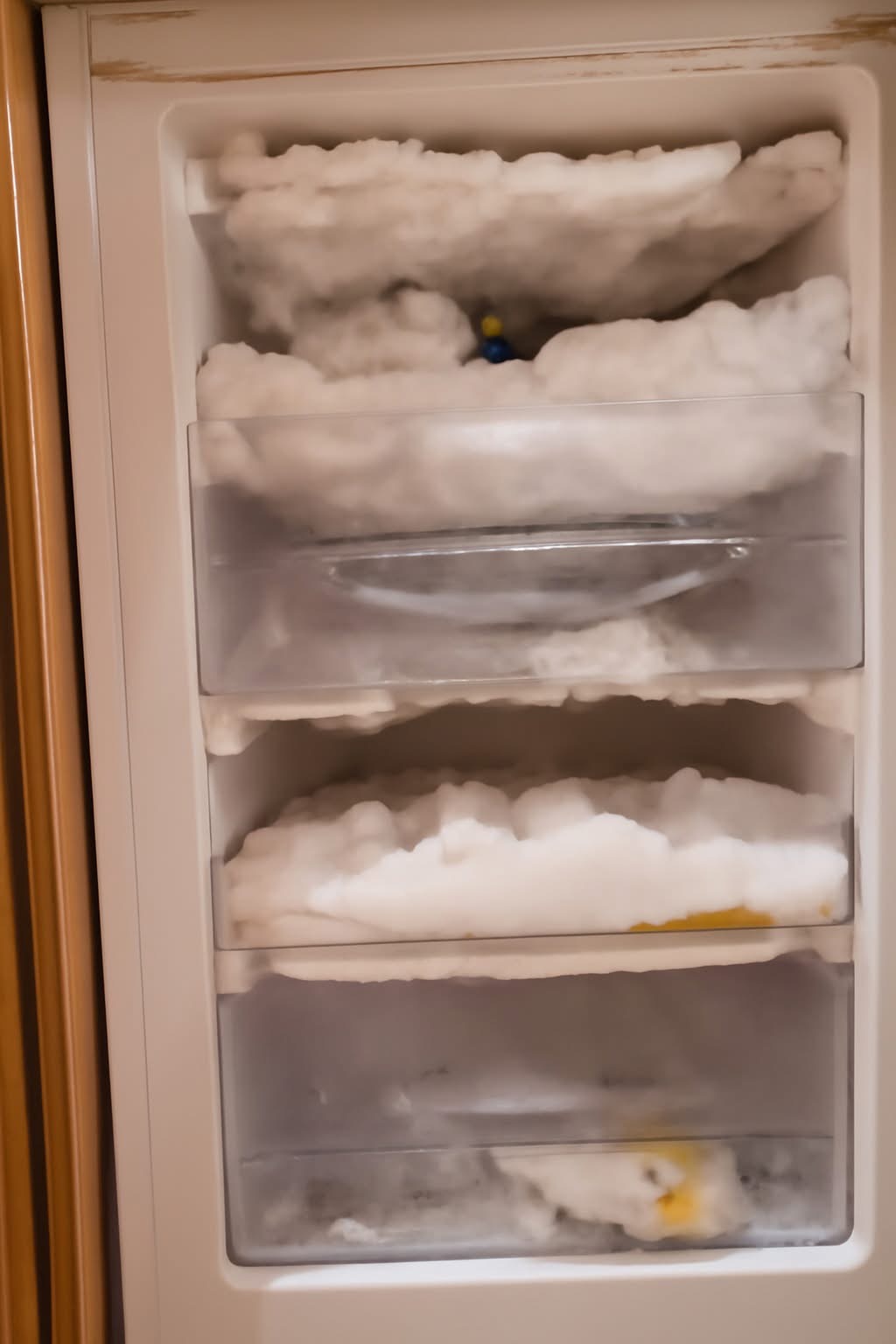
The Ultimate Guide to Defrosting Your Freezer: Fast, Safe & Efficient Tricks
Forgetting to defrost your freezer until you’re faced with a solid block of ice or a frost wall that’s stealing precious space is a universal kitchen headache. That thick layer of frost doesn’t just reduce storage—it forces your appliance to work harder, spiking your energy bills and risking food spoilage.
But the thought of a day-long meltdown with coolers and towels can be daunting. Good news: you can defrost your freezer quickly, safely, and efficiently. This guide combines pro-approved methods and clever household hacks to turn a dreaded chore into a swift, manageable task.
Why You MUST Defrost: It’s Not Just About Space
First, the “why” matters. Modern frost-free models do this automatically, but many energy-efficient or older freezers require manual defrosting (typically when frost reaches ¼-inch thick).
· Energy Efficiency: Frost acts as an insulator, forcing the compressor to run longer and work harder. Defrosting can improve appliance efficiency by up to 30%.
· Food Safety: A freezer struggling to maintain temperature can lead to dangerous food thawing and refreezing, compromising quality and safety.
· More Space & Organization: Reclaim up to 30% of your usable space. It’s the perfect time for kitventory (kitchen inventory) and decluttering.
Pre-Defrost Prep: The 60-Minute Game Plan
Speed is created by preparation, not just the melt. Rushing in leads to food safety disasters.
- The Strategic Food Transfer (The Night Before)
· Plan Meals: Cook down perishables like meat the day before.
· Gather Coolers & Insulation: Use coolers, insulated bags, or even cardboard boxes lined with towels. Pre-chill them with a few ice packs.
· Employ the “Fridge First” Rule: Transfer items you’ll use in the next 24 hours to the refrigerator. It will stay cold long enough and clears cooler space.
· Group & Label: Group similar items together in bags or bins. This makes restocking a breeze and helps you spot expired frozen goods.
- The Power-Down & Empty
· Unplug the freezer. For built-ins, turn off the circuit breaker. Safety first!
· Remove all food, shelves, and bins.
· Place towels or a large absorbent bath mat on the floor in front of the freezer. This is your first line of defense against a flood.
The Core Method: The Safe, Speedy Foundation
This is your non-negotiable baseline. NEVER use sharp objects to chip ice. You can puncture coolant lines, causing a costly and hazardous repair.
The Boiling Water Basin Trick: Place a pot or deep bowl of boiling water inside the freezer on a trivet or thick towel (to protect the plastic shelf). Shut the door. The steam will dramatically loosen thick ice sheets in 15-20 minutes.
The Strategic Towel Soak: Soak towels in hot water, wring them out, and lay them over ice-coated shelves and walls. Re-soak as they cool. This applies direct, gentle heat.
The Fan-Driven Airflow: Position a fan (a box fan on a stool works perfectly) to blow room-temperature air directly into the freezer. This circulates air and prevents humidity from re-freezing, cutting time in half.
The Hair Dryer/Heat Gun Caution: Use with extreme care. Keep on a low, warm setting (never hot) and maintain constant motion at least 12 inches away from ice and interior walls. Never use near standing water. This is a targeted spot-treatment for stubborn ice chunks, not a whole-wall solution.
Pro-Tier Tricks for Extreme Frost
Facing an ice glacier? Combine methods:
· The “Steam Iron” Hack: Hold a steam iron (no direct contact!) several inches away from the ice, letting the steam blast it. Point the runoff away from electrical components.
· The Saltwater Spray: Mix a tablespoon of salt into a spray bottle of hot water. Lightly mist thick ice. Salt lowers the melting point of ice, accelerating the process.
· The Hot Water Bottle/Rice Sock: Fill a hot water bottle or a sock filled with dry rice (microwaved for 2 minutes) and rub it over ice ridges.
The Lightning-Fast 90-Minute Protocol
For a standard coat of frost, this sequence is unbeatable:
Minute 0-15: Set up fan. Place bowl of boiling water inside, shut door.
Minute 15-45: Remove loosened ice sheets by hand (wear gloves). Apply hot towels to remaining areas. Use a plastic spatula or silicone scraper to gently guide large pieces off.
Minute 45-90: Use the hair dryer (on warm) for final clean-up on stubborn spots. Soak up water constantly with towels or a wet-dry vacuum.
Safety & Damage Prevention: What NOT to Do
⚠️ AVOID THESE COMMON MISTAKES:
· No Sharp Objects: Knives, screwdrivers, or ice picks are a recipe for disaster.
· Skip the Chemical De-icers: They are not food-safe and can damage seals and plastics.
· Don’t Rush the Dry: Any leftover moisture will refreeze instantly. Dry thoroughly.
· Never Pour Hot Water Directly: This can warp shelves or crack the cooling element.
Post-Defrost Power-Up & Organization
The Essential Deep Clean: While empty, clean interior walls with a solution of 2 tbsp baking soda per 1 quart warm water. It’s a natural deodorizer and degreaser. Rinse with a damp cloth and dry completely.
Gasket & Seal Check: Wipe the door gasket with warm soapy water and dry. Ensure it’s sealing tightly—close the door on a dollar bill; if it pulls out easily, the seal may need replacing.
The Smart Restock: Don’t just throw everything back in.
· Organize by Category: Use clear bins for meats, veggies, prepared foods, etc.
· Implement FIFO (First In, First Out): Place newest items behind older ones.
· Label Everything: Use masking tape and a marker with dates.
· Allow Space for Airflow: Don’t overpack. Cool air needs to circulate.
The Plug-In & Monitor: Plug the freezer back in. Allow it to run for at least 1-2 hours and reach proper temperature (0°F / -18°C) before reloading food. Use an appliance thermometer to be sure.
The Ultimate Hack: Frost Prevention
The real win is defrosting less often.
· Cool Food Completely: Never place warm, steaming food inside.
· Airtight is Right: Use vacuum sealers, heavy-duty freezer bags with air pressed out, and tight-lidded containers.
· Check the Seal Monthly: Keep the gasket clean and intact.
· Limit Door Open Time: Know what you need before you open it. A freezer inventory list on the door is a game-changer.
Final Thought: A fast defrost isn’t about brute force; it’s about smart thermal science and meticulous preparation. By using these efficient home maintenance tricks, you transform a half-day ordeal into a focused, two-hour task. You’ll save money on energy, protect your food investment, and gain the deep satisfaction of a clean, organized, and efficiently running appliance.
Now, conquer that frost! ✨
-

Honey Garlic Glazed Chicken Wings
Introduction Honey Garlic Glazed Chicken Wings are a delicious combination of crispy chicken wings coated in a sweet, savory, and garlicky glaze. The caramelized honey creates a beautiful glossy finish, while garlic and seasonings add depth and flavor. They are perfect for family dinners, game-day gatherings, parties, or a satisfying appetizer. Origin Honey garlic is…
-

Crispy Meat and Herb
Introduction Crispy Meat and Herb is a hearty, flavorful dish that combines tender, well-seasoned meat with a deliciously crisp exterior and fragrant herbs. It is easy to prepare and makes a satisfying main course for family dinners, gatherings, or weekend meals. Origin Crispy meat dishes appear in many culinary traditions around the world, where browning…
-

Bay Leaf and Clove Herbal Tea
Bay Leaf and Clove Herbal Tea Introduction Bay Leaf and Clove Herbal Tea is a warm, aromatic infusion made with fragrant bay leaves and spicy cloves. It is simple to prepare, naturally caffeine-free, and often enjoyed as a comforting drink after meals or during quiet moments. The combination creates a pleasantly spicy, earthy flavor with…