

Introduction
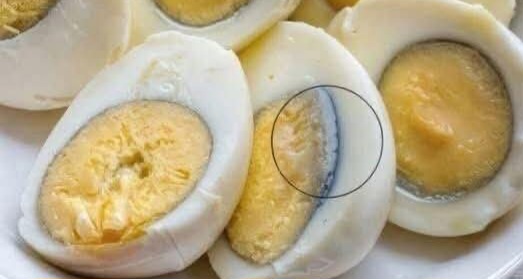
A green or grayish ring around the yolk of a hard-boiled egg can look unusual, but in most cases, it is completely harmless. This discoloration usually happens because the egg has been cooked for too long or at too high a temperature. The green ring does not normally mean that the egg has spoiled.
Origin
The green-ring phenomenon is a natural result of the chemistry that occurs during egg cooking. It has been observed for generations as people have boiled eggs for breakfast, salads, sandwiches, and holiday dishes.
Cultural Significance
Hard-boiled eggs are enjoyed around the world and are especially popular in dishes such as deviled eggs, egg salad, cobb salads, breakfast plates, and picnic foods. The green ring is a familiar kitchen observation that has often led cooks to wonder whether their eggs are safe to eat.
Ingredients Quantity
For perfectly cooked hard-boiled eggs:
- 6 large eggs
- Water, enough to cover the eggs by about 1 inch
- Ice, for an ice bath
Optional Additions
- 1 teaspoon salt, optional
- A splash of vinegar in the cooking water, optional
- Paprika or fresh herbs for serving
Tips for Success
- Avoid overcooking: Prolonged cooking is the main cause of the green ring.
- Cool quickly: Transfer cooked eggs immediately to an ice bath.
- Use gentle cooking: A steady simmer rather than a violent boil can help prevent overcooking.
- Don’t worry about the color: A green ring is generally a harmless cooking effect.
- Check freshness separately: Unusual odors, sliminess, or other signs of spoilage are more important indicators that an egg should not be eaten.
Instructions
- Place the eggs in a saucepan and cover them with about 1 inch of cold water.
- Bring the water to a boil.
- Once boiling, reduce the heat as needed to maintain a gentle boil and cook for about 9–12 minutes, depending on the desired doneness.
- Immediately transfer the eggs to a bowl of ice water.
- Let them cool for at least 5 minutes before peeling.
- Slice one open to check the yolk. A properly cooked yolk should be yellow and firm, without a pronounced green ring.
- If a green ring appears, the egg has most likely been overcooked. It is generally safe to eat if the egg was properly handled and shows no signs of spoilage.
Description
The green ring forms when sulfur compounds from the egg white react with iron naturally present in the yolk. This reaction creates iron sulfide, which produces the greenish-gray color around the yolk. It is a cooking reaction, not usually a sign that the egg is rotten.
Nutritional Information
One large hard-boiled egg provides approximately:
- Calories: 70–80
- Protein: 6–7 g
- Fat: 5 g
- Carbohydrates: Less than 1 g
- Cholesterol: About 185–190 mg
- Vitamin B12: A useful source
- Choline: A particularly good source
- Selenium: A good source
Exact nutrition varies according to egg size and preparation.
Conclusion
A green ring around the yolk of a hard-boiled egg is usually caused by overcooking. The sulfur in the egg white reacts with iron in the yolk, producing the harmless greenish color. While it may not look as attractive, it generally does not mean the egg is unsafe.
Recommendation
For bright yellow yolks, avoid cooking eggs longer than necessary and cool them rapidly in ice water. If an egg has an unpleasant sulfurous or rotten smell, slimy texture, or other signs of spoilage, discard it regardless of whether it has a green ring.
Embracing Healthful Indulgence
Eggs can be a nutritious and satisfying part of a balanced diet, providing high-quality protein along with important nutrients such as choline, selenium, and vitamin B12. Enjoy them boiled, sliced over salads, or as part of a balanced breakfast—and don’t let a harmless green ring make you afraid of your perfectly good eggs.