

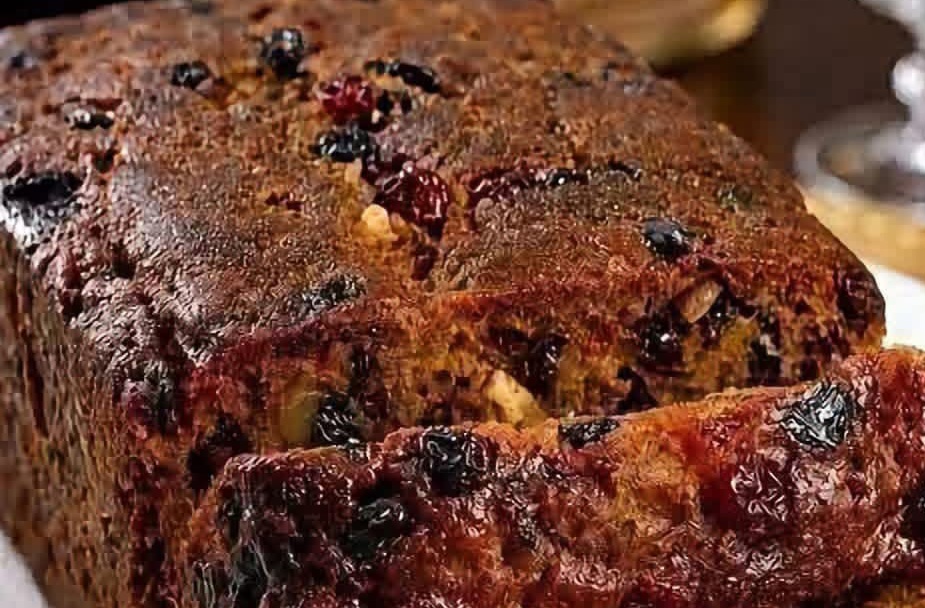
Christmas Fruit Cake Recipe
Introduction
Christmas Fruit Cake is a timeless holiday dessert filled with colorful dried fruits, crunchy nuts, warm spices, and a rich, buttery cake batter. Its sweet aroma and festive appearance make it a favorite for Christmas celebrations, family gatherings, and holiday gift-giving. Whether served with a cup of coffee or enjoyed after Christmas dinner, this traditional cake brings warmth, sweetness, and nostalgia to every occasion.
Origin and Cultural Significance
Fruit cakes have a long history dating back to ancient times, when people combined dried fruits, nuts, and honey to preserve ingredients and create special treats. Over the centuries, fruit cake evolved throughout Europe, particularly in Britain, where it became associated with Christmas and other festive celebrations.
Today, Christmas fruit cake is enjoyed in many countries, with each region adding its own distinctive ingredients and traditions. Some versions include candied citrus peel and warm spices, while others incorporate almonds, dried cherries, or a splash of brandy. In many families, preparing this cake is a cherished holiday tradition passed down through generations.
Ingredients Quantity
Preparation Time: 25 minutes Baking Time: 75–95 minutes Total Time: Approximately 2 hours Servings: 12–16 slices
- 2 cups all-purpose flour (250 g)
- 1 cup unsalted butter, softened (225 g)
- 1 cup brown sugar (200 g)
- 4 large eggs
- 2 cups mixed dried fruits, such as raisins, currants, and chopped dates (300 g)
- ½ cup candied orange peel or mixed candied fruit (75 g)
- ½ cup chopped walnuts or almonds (60 g)
- ½ cup orange juice or apple juice (120 ml)
- 1 teaspoon vanilla extract
- 1 teaspoon ground cinnamon
- ½ teaspoon ground nutmeg
- ½ teaspoon ground ginger
- 1 teaspoon baking powder
- ¼ teaspoon salt
- Zest of 1 orange
- 2 tablespoons milk, if needed
Optional Additions
Customize your Christmas fruit cake with these delicious additions:
- Dried cranberries: Add a festive color and a slightly tart flavor.
- Glacé cherries: Provide sweetness and a traditional holiday appearance.
- Chopped pecans: Add a buttery crunch.
- Lemon zest: Brightens the flavor and balances the sweetness.
- Ground cloves: Add a deeper, warming spice aroma.
- Brandy or rum: Replace part of the juice with a small amount for a traditional adult version.
- Dark chocolate chips: Create a richer, more indulgent variation.
Tips for Success
- Soak the dried fruits: Soak them in orange juice for 30 minutes to help soften them and improve their flavor.
- Use room-temperature ingredients: Softened butter and room-temperature eggs help create a smooth, even batter.
- Coat the fruits with flour: Toss the dried fruits and nuts with a tablespoon of the measured flour to help distribute them throughout the cake.
- Avoid overmixing: Mix the flour into the batter gently to keep the cake tender.
- Bake at a moderate temperature: A lower oven temperature helps the dense cake bake evenly without burning.
- Check for doneness: Insert a toothpick into the center. It should come out clean or with a few moist crumbs.
- Cool before slicing: Let the cake cool completely so it holds its shape and develops a better texture.
Instructions
Step 1: Prepare the oven and pan.
Preheat the oven to 300°F (150°C). Grease a 9-inch (23 cm) round cake pan and line the bottom and sides with parchment paper.
Step 2: Prepare the dried fruits.
Place the raisins, currants, dates, and candied fruit in a bowl. Pour in the orange juice and let the mixture soak for about 30 minutes. Drain any excess liquid if necessary.
Step 3: Cream the butter and sugar.
In a large mixing bowl, beat the softened butter and brown sugar until light and fluffy.
Step 4: Add the eggs and flavorings.
Beat in the eggs one at a time, mixing well after each addition. Stir in the vanilla extract and orange zest.
Step 5: Combine the dry ingredients.
In another bowl, whisk together the flour, baking powder, cinnamon, nutmeg, ginger, and salt.
Step 6: Make the batter.
Gradually fold the dry ingredients into the butter mixture. Add the prepared dried fruits and chopped nuts, stirring gently until evenly distributed. Add a little milk if the batter seems excessively thick.
Step 7: Fill the cake pan.
Transfer the batter to the prepared pan and smooth the surface. Tap the pan gently on the counter to remove large air pockets.
Step 8: Bake the cake.
Bake for approximately 75–95 minutes, checking toward the end of the baking time. If the top browns too quickly, cover it loosely with aluminum foil. The cake is ready when a toothpick inserted into the center comes out clean or with a few moist crumbs.
Step 9: Cool and serve.
Allow the cake to cool in the pan for 15–20 minutes before transferring it to a wire rack. Once completely cool, slice and serve.
Description
Christmas Fruit Cake is dense, moist, fragrant, and wonderfully rich. Every slice contains a delightful combination of sweet dried fruits, crunchy nuts, buttery cake, and warming spices. The orange zest adds a refreshing citrus note, while the brown sugar creates a deep, caramel-like sweetness.
Its beautiful golden-brown exterior and jewel-like fruit pieces make it an attractive centerpiece for any holiday dessert table. Serve it plain, dusted with powdered sugar, or topped with a light glaze for an extra festive touch.
Nutritional Information
Approximate nutritional values per serving, assuming 16 slices:
- Calories: 300–350 kcal
- Protein: 4–5 g
- Carbohydrates: 45–50 g
- Fat: 12–15 g
- Saturated Fat: 7–9 g
- Sugar: 25–32 g
- Fiber: 2–3 g
- Sodium: 100–160 mg
Nutritional values vary depending on the dried fruits, nuts, portion size, and optional ingredients used.
Conclusion
Christmas Fruit Cake is much more than a dessert; it is a celebration of holiday traditions, comforting flavors, and the joy of sharing homemade food. Its combination of dried fruits, nuts, butter, and festive spices creates a delicious treat that can be enjoyed throughout the Christmas season.
Whether you are baking it for your family, serving guests, or wrapping slices as thoughtful homemade gifts, this classic recipe is sure to add a special touch to your holiday celebrations.
Recommendation
Serve Christmas Fruit Cake with hot tea, freshly brewed coffee, or a warm cup of spiced cider. For a beautiful presentation, decorate the top with whole almonds, candied cherries, or a light dusting of powdered sugar.
For the best flavor and texture, prepare the cake a day ahead and store it in an airtight container once completely cooled. If you prefer a lighter, fresher flavor, use orange juice instead of alcohol and include plenty of citrus zest.
Embracing Healthful Indulgence
You can enjoy Christmas Fruit Cake as part of a balanced holiday menu with a few simple adjustments. Reduce the brown sugar slightly, choose unsweetened dried fruits when available, and add extra nuts for texture and some additional protein and healthy fats.
Consider replacing a portion of the butter with unsweetened applesauce for a lighter texture, although this will change the cake’s richness and consistency. You can also serve smaller slices alongside fresh fruit or plain yogurt.
The key is to enjoy each slice mindfully, savoring the festive flavors while keeping portions appropriate for your needs. A homemade Christmas Fruit Cake can be both a delicious seasonal indulgence and a meaningful part of your holiday traditions.