

Introduction
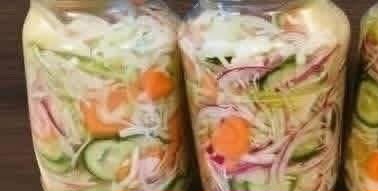
Homemade Pickled Vegetable Jars are a colorful, crunchy, and flavorful way to preserve fresh vegetables while adding a tangy touch to everyday meals. Made with simple ingredients such as cucumbers, carrots, cauliflower, peppers, garlic, and vinegar, these pickles are easy to prepare and beautiful to display in glass jars. Whether served alongside sandwiches, grilled meats, salads, or rice dishes, homemade pickled vegetables bring brightness and texture to the table.
Origin and Cultural Significance
Pickling is an ancient food preservation technique that has been practiced for thousands of years across many cultures. Before refrigeration, people preserved seasonal vegetables using vinegar, salt, or natural fermentation to extend their shelf life.
Pickled vegetables remain popular worldwide, from European pickled cucumbers and Mediterranean mixed vegetables to Asian pickled radishes and traditional Moroccan vegetables served alongside hearty meals. In Morocco, pickled vegetables can complement grilled dishes, sandwiches, and traditional family meals, adding a refreshing contrast to rich and savory flavors.
Homemade pickled vegetable jars also reflect the tradition of reducing food waste, preserving seasonal produce, and preparing delicious pantry staples at home.
Ingredients Quantity
Preparation time: 20 minutes Pickling time: 24–48 hours in the refrigerator for initial flavor development Yield: Approximately 2 medium jars
Ingredients
- 2 cups (250 g) fresh carrots, peeled and sliced
- 2 cups (250 g) cauliflower florets
- 1 cup (150 g) cucumber slices
- 1 red bell pepper, sliced
- 1 green bell pepper, sliced
- 4 garlic cloves, peeled
- 2 cups (480 ml) white vinegar with 5% acidity
- 2 cups (480 ml) water
- 2 tablespoons pickling or non-iodized salt
- 1 tablespoon granulated sugar, optional
- 1 teaspoon black peppercorns
- 1 teaspoon mustard seeds, optional
- 2 bay leaves
- Fresh dill sprigs, optional
Optional Additions
Customize your jars with additional vegetables, herbs, and spices to create your favorite combination.
- Red onions: Add a sweet, sharp flavor and attractive color.
- Green beans: Provide extra crunch.
- Radishes: Add a peppery bite and beautiful pink tones.
- Jalapeños or chili peppers: Bring a spicy kick.
- Fresh dill: Gives the vegetables a classic pickle flavor.
- Coriander seeds: Add a warm, aromatic note.
- Fresh ginger: Provides a slightly spicy, fragrant taste.
- Lemon slices: Add a citrusy aroma, although they should not replace the required vinegar.
Tips for Success
- Choose fresh vegetables: Firm, fresh produce produces the best crunch.
- Wash everything thoroughly: Clean the vegetables, jars, lids, and utensils before preparation.
- Cut vegetables evenly: Similar-sized pieces pickle more consistently.
- Use vinegar with 5% acidity: Keep the vinegar-to-water ratio as written for a reliable refrigerator pickle recipe.
- Dissolve the salt completely: Warm the vinegar mixture gently to help dissolve the seasonings.
- Keep vegetables submerged: Make sure the brine covers the vegetables to improve flavor and quality.
- Allow time for flavor: Refrigerate for at least 24–48 hours before serving.
- Store safely: These are refrigerator pickles, not shelf-stable canned vegetables. Keep them refrigerated at 4°C (40°F) or below, and use clean utensils when serving.
Instructions
Step 1: Prepare the Vegetables
Wash the carrots, cauliflower, cucumbers, and bell peppers thoroughly. Peel and slice the carrots, divide the cauliflower into small florets, and cut the remaining vegetables into bite-sized pieces.
Step 2: Prepare the Jars
Wash two clean glass jars and their lids with hot, soapy water, then rinse well. Let them dry completely. Divide the garlic cloves, peppercorns, mustard seeds, bay leaves, and optional dill between the jars.
Step 3: Arrange the Vegetables
Pack the carrots, cauliflower, cucumbers, and peppers tightly into the jars without crushing them. Leave a little space at the top so the brine can cover the vegetables completely.
Step 4: Make the Pickling Brine
In a saucepan, combine the vinegar, water, salt, and optional sugar. Heat gently, stirring until the salt and sugar dissolve. There is no need for a prolonged boil.
Step 5: Fill the Jars
Carefully pour the warm brine over the vegetables until they are fully submerged. Remove visible air pockets with a clean utensil, allow the mixture to cool, and close the jars with clean lids.
Step 6: Refrigerate
Place the jars in the refrigerator once cooled. Allow the vegetables to pickle for at least 24–48 hours for the best initial flavor. Carrots and cauliflower may benefit from several additional days.
Step 7: Serve and Enjoy
Serve the pickled vegetables chilled as a side dish, add them to sandwiches and wraps, or enjoy them alongside grilled chicken, fish, and roasted vegetables.
Storage note: Keep the jars refrigerated at all times and, for best quality, use within about 2–3 weeks. Discard the contents if you notice mold, unusual odors, or other signs of spoilage. Do not store this refrigerator recipe at room temperature.
Description
Homemade Pickled Vegetable Jars are a delightful combination of crisp textures, tangy flavors, and vibrant colors. The carrots remain pleasantly crunchy, the cauliflower absorbs the aromatic brine, and the peppers and cucumbers contribute freshness and sweetness.
Garlic, peppercorns, and herbs create a balanced flavor that becomes more pronounced as the vegetables rest in the refrigerator. The finished jars look beautiful on a kitchen shelf inside the refrigerator and make a convenient accompaniment to many meals.
Nutritional Information
Estimated nutritional values per serving, assuming approximately 8 servings and excluding most of the brine:
- Calories: 30–45 kcal
- Carbohydrates: 6–9 g
- Protein: 1–2 g
- Fat: 0–1 g
- Fiber: 2–3 g
- Sugar: 2–4 g
- Sodium: Variable, depending on how much salt and brine are consumed
These values are approximate and will vary according to the vegetables used, the amount of sugar added, and the portion size. Pickled vegetables can provide fiber and some vitamins, but they may also contain substantial sodium.
Conclusion and Recommendation
Homemade Pickled Vegetable Jars are an easy, economical, and delicious way to enjoy vegetables with a tangy twist. They help make everyday meals more colorful and offer a practical way to use up extra seasonal produce.
For the best results, combine carrots, cauliflower, cucumbers, and bell peppers, then experiment with herbs and spices to find your favorite flavor. These jars are especially delicious with grilled meats, burgers, sandwiches, salads, and traditional family meals.
Prepare a batch ahead of time, let the flavors develop in the refrigerator, and enjoy a refreshing homemade side dish whenever you need one.
Embracing Healthful Indulgence
Healthy eating can be both satisfying and flavorful. Homemade pickled vegetables provide crunch and tang without requiring large amounts of oil or heavy sauces. Their bright flavors can make simple meals more enjoyable and encourage you to include a wider variety of vegetables in your diet.
For a lighter version, omit the optional sugar and enjoy modest portions alongside fresh foods. If you are monitoring sodium intake, remember that pickles can be high in salt, even when prepared at home.
With fresh ingredients, a balanced vinegar brine, and safe refrigeration, Homemade Pickled Vegetable Jars offer a delicious way to embrace healthful indulgence while celebrating the simple pleasure of homemade food.