

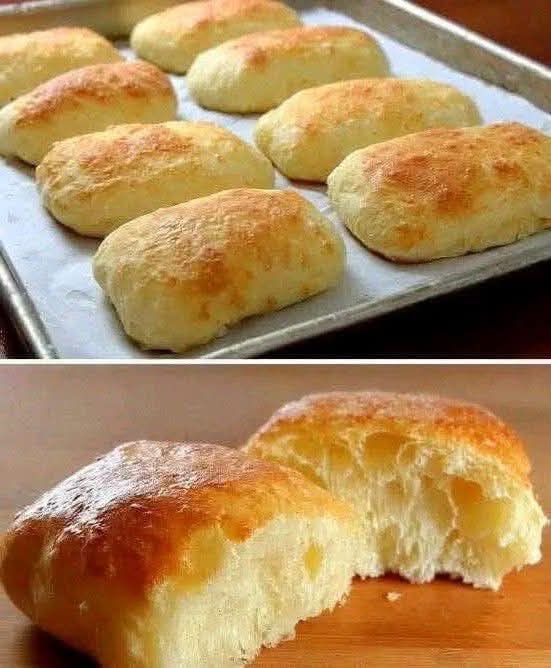
Discover the secret to perfectly soft, fluffy homemade milk buns every time! This easy, step-by-step recipe uses a simple tangzhong method for buns that stay incredibly moist for days. Perfect for dinner rolls, sandwich buns, or sliders—a family-friendly baking essential!
There is something profoundly satisfying about pulling a tray of golden, cloud-soft homemade buns from your own oven. That moment you tear one open—watching the steam escape from a featherlight, milky-soft interior—is a quiet victory. Yet, so many homemade rolls end up dry, dense, or stale by the next day. What if you could unlock the secret to bakery-level softness, a tenderness that lasts for days, right in your own kitchen? The key is a magical, simple technique called tangzhong, and it transforms these Homemade Milk Buns into something extraordinary.
These aren’t just any dinner rolls. They are the pinnacle of soft, fluffy bread—tender to the point of melting, with a delicate sweetness and a beautiful, plush crumb. They are the versatile hero of your table: perfect as pull-apart dinner rolls for a holiday feast, as burger buns for a summer cookout, or as soft slider buns for a party. And while the word “tangzhong” might sound intimidating, it’s simply a cooked flour-and-water paste that supercharges the dough’s ability to retain moisture. It’s a beginner-friendly trick that guarantees professional results.
This recipe is your foolproof guide. We’ll walk through each step with clear guidance, from creating the tangzhong to achieving the perfect golden bake. Say goodbye to underwhelming, store-bought buns and hello to the incomparable pride and pleasure of serving bread that is unbelievably soft, fluffy, and homemade.
Why This Recipe Makes the Best Milk Buns You’ll Ever Taste
Before we measure our flour, let’s talk about what makes this method a game-changer for home bakers:
· The Tangzhong Secret: This cooked roux-style starter is the key to incredible softness and extended freshness. It’s what gives these buns their signature moist, pillowy texture that lasts for days.
· Foolproof, Detailed Instructions: With step-by-step photos and cues for every stage (mixing, kneading, proofing, baking), even first-time bread makers will succeed.
· Unbeatable Versatility: One master dough recipe can become classic dinner rolls, burger buns, hot dog buns, or even sweet fruit-filled buns.
· Family-Approved Flavor & Texture: The combination of milk, butter, and a touch of sugar creates a mildly sweet, rich, and irresistibly soft crumb that appeals to everyone.
· Make-Ahead Friendly: The dough can be prepared and shaped a day in advance, then proofed and baked fresh for stress-free holiday meals or weekend baking.
Ingredients for Perfectly Soft, Pillowy Buns
Simple, quality ingredients build the best flavor and texture. Here’s what you’ll need:
For the Tangzhong (Flour Paste Starter):
· 3 tablespoons (25g) bread flour (or all-purpose flour)
· ½ cup (120ml) water
· ⅓ cup (80ml) whole milk
For the Main Dough:
· ½ cup (120ml) whole milk, lukewarm (about 95°F / 35°C)
· 2 ¼ teaspoons (one 7g packet) instant yeast or active dry yeast
· 3 ¼ cups (415g) bread flour, plus more for dusting (All-purpose flour works, but bread flour yields a chewier, loftier structure)
· ¼ cup (50g) granulated sugar
· 1 teaspoon salt
· 1 large egg, at room temperature
· ¼ cup (½ stick / 57g) unsalted butter, softened to room temperature and cut into small pieces
For the Topping & Finish:
· 1 egg, beaten with 1 tbsp milk or water (egg wash)
· Sesame seeds, everything bagel seasoning, or coarse sea salt (optional)
Pro-Tip Ingredient Notes:
· Bread Flour vs. All-Purpose: Bread flour has a higher protein content, leading to stronger gluten development and a taller, fluffier, chewier bun. All-purpose flour will yield a slightly more tender, cake-like crumb. Both work beautifully.
· Instant Yeast: This is my preferred choice as it can be mixed directly into the dry ingredients. If using active dry yeast, dissolve it in the lukewarm milk with a pinch of sugar and let it foam for 5-10 minutes before proceeding.
· Room Temperature Ingredients: Ensure your egg and butter are at room temperature to incorporate smoothly into the dough without hindering gluten development.
Step-by-Step Instructions: Your Path to Bun Perfection
Step 1: Make the Tangzhong (The Softness Secret)
In a small saucepan, whisk together the 3 tbsp flour, water, and milk until no lumps remain.
Place over medium-low heat and cook, whisking constantly, until the mixture thickens into a smooth, pudding-like paste and lines form in the bottom of the pan as you whisk (about 3-5 minutes).
Immediately transfer the tangzhong to a clean bowl and let it cool to lukewarm (you can spread it out to cool faster). This is a crucial step to prevent killing the yeast.
Step 2: Make the Dough
If using instant yeast: In the bowl of a stand mixer fitted with the dough hook, combine the bread flour, sugar, salt, and instant yeast. Whisk to combine.
Add the cooled tangzhong, lukewarm milk, and the room temperature egg. Mix on low speed until a shaggy dough forms, about 1-2 minutes.
With the mixer running on low, begin adding the softened butter, one piece at a time, waiting until each piece is mostly incorporated before adding the next. This will take 3-4 minutes. The dough will be sticky.
Once all butter is added, increase speed to medium and knead for 10-12 minutes. The dough is ready when it is very smooth, elastic, and pulls away cleanly from the sides of the bowl. It will still be slightly tacky to the touch but shouldn’t stick to clean, dry fingers. (To knead by hand: Turn dough onto a lightly floured surface and knead for 15-18 minutes until smooth and elastic.)
Shape the dough into a ball.
Step 3: First Rise (Bulk Fermentation)
Place the dough ball in a lightly greased large bowl. Turn once to coat. Cover tightly with plastic wrap or a damp kitchen towel.
Let rise in a warm, draft-free place until doubled in size, about 1 to 1.5 hours. (The tangzhong may make this rise slightly faster than regular dough.)
Step 4: Shape the Buns
Gently punch down the dough to release air. Turn it out onto a very lightly floured surface.
Weigh the dough and divide it into 12 equal pieces for large dinner rolls/burger buns, or 16 pieces for smaller slider rolls.
To shape each piece: Flatten it slightly into a disc. Pull the edges into the center, pinching to create a smooth seam on the bottom. Cup your hand over the dough ball and roll it in a tight circular motion on an unfloured part of your counter to create surface tension and a perfectly round, smooth top. Place seam-side down on a parchment-lined baking sheet, spacing them about 1.5-2 inches apart.
Step 5: Second Rise (Proofing)
Cover the shaped buns loosely with greased plastic wrap or a clean kitchen towel.
Let them proof in a warm place until puffy and nearly doubled, about 45-60 minutes. They should hold a light indent when gently poked with a floured finger.
Step 6: Bake to Golden Perfection
Towards the end of the proofing time, preheat your oven to 350°F (175°C).
Gently brush the tops of the proofed buns with the egg wash. Be careful not to deflate them. Sprinkle with seeds or salt if desired.
Bake for 18-22 minutes (for 12 buns) or 15-18 minutes (for 16 buns), rotating the tray halfway, until the tops are a deep, shiny golden brown.
Optional Steam: For an even softer crust, place a pan of boiling water on the bottom oven rack during baking or spritz the oven walls with water in the first 5 minutes.
Step 7: Cool & Serve
Immediately transfer the buns to a wire rack to cool completely. This prevents the bottoms from steaming and becoming soggy.
For the softest results, brush the hot buns with a little melted butter right after they come out of the oven.
Serve warm or at room temperature. Enjoy the incredible, fluffy texture!
Expert Tips for Bakery-Quality Results Every Time
· Use a Scale: For perfectly consistent buns, weighing your flour and other ingredients is the most accurate method and is highly recommended.
· Don’t Rush the Proof: The second rise (proofing) is just as important as the first. Properly proofed buns will bake up light and airy; under-proofed buns will be dense.
· The Windowpane Test: To check if your dough is kneaded enough, take a small piece and gently stretch it. If you can stretch it thin enough to see light through it without it tearing (a “windowpane”), the gluten is perfectly developed.
· Cool Completely Before Storing: Trapped steam will create moisture and mold. Let buns cool fully on a wire rack before placing in a bag.
· Reheating Magic: To revive day-old buns, spritz lightly with water and warm in a 300°F oven for 5-7 minutes, or microwave for 10-15 seconds wrapped in a damp paper towel.
Delicious Variations to Try
· Sweet Milk Buns: Increase sugar to ⅓ cup and add 1 tsp of vanilla extract to the dough. Brush with a honey butter glaze after baking.
· Herb & Garlic Butter Buns: Mix 2 tbsp of softened butter with 1 minced garlic clove and 1 tbsp of chopped parsley. Brush over hot buns.
· Cheese-Stuffed Buns: Enclose a small cube of mozzarella or cheddar cheese in the center of each dough ball before shaping.
· Whole Wheat Milk Buns: Substitute up to 1 cup of the bread flour with whole wheat flour. You may need a touch more milk.
· Brioche-Style Buns: Increase the butter to 6-8 tbsp for an even richer, more decadent crumb.
Frequently Asked Questions (FAQ)
Can I make these buns ahead of time?
Yes!After shaping the buns on the baking sheet, cover them tightly with plastic wrap and refrigerate overnight (up to 16 hours). The next day, let them sit at room temperature for 1 hour, then proof and bake as directed. You can also freeze the baked and cooled buns for up to 3 months.
Why is my dough so sticky?
High-hydration doughs with tangzhong are naturally tackier.Avoid adding too much extra flour during kneading, as it will make the buns dry. Trust the process and the stand mixer; the dough will become smooth and elastic with the full kneading time.
My buns didn’t rise much. What went wrong?
Likely causes:Yeast was old or killed by milk that was too hot, the tangzhong was too hot when added, or the proofing environment was too cold. Ensure your liquids are just lukewarm (not hot) and find a warm spot for rising.
How do I store leftover milk buns?
Once completely cool,store in an airtight plastic bag or container at room temperature for 2-3 days. For longer storage, freeze.
Can I use this dough to make loaf bread?
Absolutely!After the first rise, shape the dough into a log and place it in a greased 9×5-inch loaf pan. Proof until it rises about 1 inch above the rim, then bake at 350°F for 30-35 minutes.
Mastering these Soft & Fluffy Homemade Milk Buns is a rite of passage for any home baker. It’s a skill that fills your kitchen with the world’s most comforting aroma and fills your table with love, one perfect, pillowy bun at a time. This recipe isn’t just about bread; it’s about creating a timeless, versatile staple that elevates every meal it accompanies.
With the tangzhong method in your toolkit, you hold the secret to professional-level softness. So take a deep breath, embrace the process, and get ready to bake your new favorite thing.
Now, I’d love to see your beautiful buns! Did you make burger buns or dinner rolls? Try a sweet or savory variation? Share your photos, stories, and baking triumphs in the comments below!
Love mastering homemade bread? Your next challenge should be my Perfectly Chewy Bagels or No-Knead Artisan Bread recipe!
More Recipes You Might Like
-
Fresh Apple Cranberry Pecan Salad
Introduction Fresh Apple Cranberry Pecan Salad is a crisp, colorful, and refreshing dish that combines sweet apples, tart cranberries, crunchy pecans, and a creamy, lightly sweet dressing. It is easy to prepare and works beautifully as a side dish, light lunch, or festive addition to a holiday table. Origin This salad is inspired by American-style…
-
Honey Garlic Glazed Chicken Wings
Introduction Honey Garlic Glazed Chicken Wings are a delicious combination of crispy chicken wings coated in a sweet, savory, and garlicky glaze. The caramelized honey creates a beautiful glossy finish, while garlic and seasonings add depth and flavor. They are perfect for family dinners, game-day gatherings, parties, or a satisfying appetizer. Origin Honey garlic is…
-
Crispy Meat and Herb
Introduction Crispy Meat and Herb is a hearty, flavorful dish that combines tender, well-seasoned meat with a deliciously crisp exterior and fragrant herbs. It is easy to prepare and makes a satisfying main course for family dinners, gatherings, or weekend meals. Origin Crispy meat dishes appear in many culinary traditions around the world, where browning…