

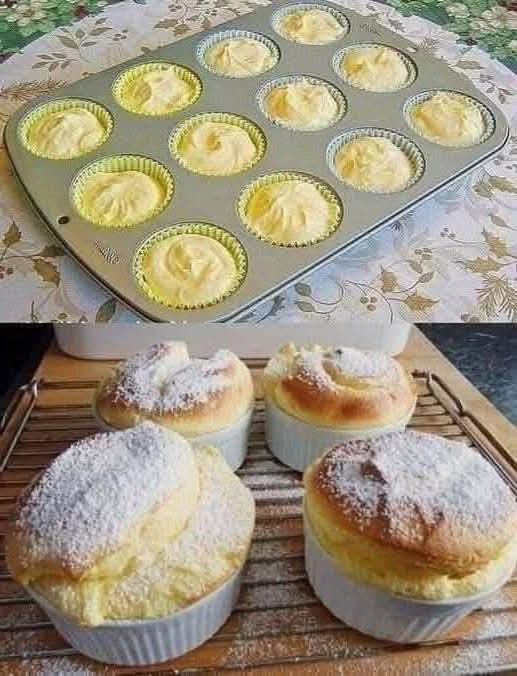
There is a specific, collective gasp that ripples through a dinner party when the soufflés emerge from the kitchen. They stand tall and golden, cresting above the rims of their ramekins, trembling slightly with each step the bearer takes. The table falls silent. Forks hover. Cameras appear.
This is the moment the soufflé has waited for. This is its redemption arc, its triumphant arrival after centuries of being described as “temperamental,” “fussy,” and “likely to collapse if you breathe too hard.”
Here is the truth that French chefs do not want you to know: soufflés are not difficult. They are not temperamental. They are not the exclusive domain of pastry professionals with copper bowls and decades of experience.
They are eggs. Sugar. A little flour. A little milk. Air.
That is all a soufflé is: air, suspended in a delicate structure of protein and starch, puffed to impossible heights by the simple, reliable physics of steam expansion. The same forces that lift a popover, a Yorkshire pudding, a properly made omelet. Nothing magical. Nothing mystical. Nothing to fear.
Fluffy vanilla soufflé cups are the gateway. They are the soufflé stripped of intimidation, baked in modest four-ounce ramekins that require no special equipment and no last-minute assembly frenzy. They are vanilla-forward, lightly sweetened, and profoundly, almost absurdly, impressive. They are also, miraculously, achievable on a Tuesday night with ingredients you already have in your refrigerator.
If you are searching for elegant dinner party desserts that look far more complicated than they actually are, or if you need impressive yet simple baked sweets that will convert soufflé skeptics into soufflé evangelists, these little cups are your secret weapon. They are the dessert that earns you a reputation. They are the dessert that makes people say, “Wait, you made these? From scratch? At home?”
Yes. You did. And you will do it again.
The Mythology of the Collapse
Let us address the elephant in the pastry kitchen. Every home cook has heard the warnings. Do not open the oven door. Do not slam the oven door. Do not walk heavily past the oven. The soufflé will collapse. It will fall. It will deflate into a sad, dense custard, and everyone at your table will silently judge you.
This is, to put it charitably, exaggerated.
Soufflés do fall. They fall because they are inflated with hot air and steam, and when that air cools, the structure contracts. This is physics, not failure. A properly made soufflé will emerge from the oven tall and proud, and it will begin to deflate immediately upon exposure to cooler air. This is not a defect. This is the soufflé announcing that it is ready to be eaten.
The goal is not to prevent falling. The goal is to serve the soufflé at its peak, which is approximately ninety seconds after it leaves the oven. This is why soufflés are associated with last-minute stress: they do not wait. They do not hold. They demand immediate, appreciative consumption.
This is not a flaw. This is a feature. A dessert that must be eaten the moment it is ready, surrounded by people who are waiting specifically for that moment, is a dessert that creates presence. It forces everyone to stop talking, stop scrolling, stop multitasking, and simply eat.
There are worse things to demand of a dinner party.
The Anatomy of the Rise
A soufflé rises through a combination of two forces: physical leavening and chemical leavening.
Physical Leavening: When you whip egg whites, you incorporate air bubbles into the protein matrix of the egg white. Those bubbles expand when heated, inflating the soufflé like a balloon. This is the primary engine of the rise.
Chemical Leavening: Steam. The liquid in the base evaporates during baking, creating additional pressure that pushes the soufflé upward. This is why soufflés baked in wider, shallower dishes rise differently than those baked in tall, narrow ramekins.
The key to a stable soufflé is the relationship between the base and the meringue. The base provides flavor and structure. The meringue provides lift. The two must be folded together gently but thoroughly, combining without deflating.
This is not difficult. It is, however, specific.
The Ingredient Theology
Eggs: Fresh eggs whip more easily and hold more air than older eggs. Separate them carefully; any trace of yolk in the whites will inhibit foaming. Cold eggs separate more cleanly than warm eggs, but room-temperature whites whip to greater volume. Separate the eggs cold, then allow the whites to sit at room temperature for 30 minutes before whipping.
Sugar: Fine granulated sugar dissolves more easily than coarse sugar. Do not substitute powdered sugar; it contains cornstarch, which affects the texture. Do not reduce the sugar significantly; it provides structure as well as sweetness.
Flour: All-purpose flour provides just enough structure to support the rise without toughening the crumb. Do not substitute bread flour or cake flour. Measure correctly by spooning into the measuring cup and leveling with a knife.
Milk: Whole milk provides richness and stability. Low-fat milk produces a less tender soufflé. Do not substitute non-dairy milks unless you are prepared for textural variation.
Vanilla: Real vanilla extract is non-negotiable. Imitation vanilla contains artificial flavors that become bitter when baked. Vanilla bean paste or the seeds of a fresh vanilla bean are even better, providing those distinctive black specks that signal authenticity.
Cream of Tartar: This is not optional. Cream of tartar is an acid that stabilizes egg white foam, preventing over-whipping and collapse. If you do not have it, substitute ½ teaspoon lemon juice or white vinegar per 2 egg whites.
The Ramekin Preparation Protocol
Proper ramekin preparation is the difference between a soufflé that climbs and a soufflé that clings.
Butter: Use softened, not melted butter. Melted butter runs down the sides and pools at the bottom. Use a pastry brush or your fingers to coat the entire interior surface, including the rim.
Sugar: After buttering, add a spoonful of granulated sugar to each ramekin. Tilt and rotate to coat the buttered surface completely. Tap out the excess. This sugar coating provides traction for the rising soufflé and creates a delicate, crunchy crust on the exterior.
Chill: Place the prepared ramekins in the refrigerator while you prepare the batter. Cold ramekins promote better rise.
The Ultimate Fluffy Vanilla Soufflé Cup Recipe
Yield: 6 four-ounce ramekins
Ingredients:
For the Ramekins:
· 2 tablespoons unsalted butter, softened
· ¼ cup granulated sugar
For the Soufflé Base:
· 3 tablespoons unsalted butter
· 3 tablespoons all-purpose flour
· 1 cup whole milk, warm
· ¼ cup granulated sugar
· 1 teaspoon vanilla extract or vanilla bean paste
· Pinch of salt
· 3 large egg yolks, room temperature
For the Meringue:
· 4 large egg whites, room temperature
· ¼ teaspoon cream of tartar
· 2 tablespoons granulated sugar
For the Finish:
· Powdered sugar for dusting
Instructions:
Phase One: Prepare the Ramekins
Butter: Using a pastry brush or your fingers, generously coat the interior of each 4-ounce ramekin with softened butter. Use upward strokes on the sides; the vertical ridges help the soufflé climb. Do not forget the rim.
Sugar: Add a spoonful of granulated sugar to each buttered ramekin. Rotate and tap to coat the buttered surfaces completely. Discard any excess sugar.
Chill: Place the prepared ramekins in the refrigerator while you prepare the batter.
Phase Two: Make the Soufflé Base
Melt the Butter: In a medium saucepan over medium heat, melt the 3 tablespoons of butter.
Add the Flour: Add the flour all at once and whisk vigorously to form a smooth paste. Cook for 1-2 minutes, stirring constantly, until the mixture is bubbly and fragrant but not browned. This is a roux.
Add the Milk: Gradually pour in the warm milk, whisking constantly to prevent lumps. Continue whisking until the mixture thickens and comes to a gentle boil, about 2-3 minutes. It should be the consistency of thick pudding.
Flavor: Remove from heat. Whisk in the ¼ cup sugar, vanilla, and salt. The mixture will thin slightly.
Temper the Yolks: In a small bowl, lightly beat the egg yolks. Gradually whisk about ½ cup of the hot milk mixture into the yolks to temper them. This prevents the yolks from scrambling.
Combine: Pour the tempered yolk mixture back into the saucepan, whisking constantly. Return to medium-low heat and cook for 1-2 minutes, stirring constantly, until the mixture thickens slightly. Do not boil.
Cool: Transfer the base to a large bowl. Press plastic wrap directly onto the surface to prevent a skin from forming. Set aside to cool to room temperature. The base can be made several hours ahead and refrigerated; bring to room temperature before proceeding.
Phase Three: Whip the Meringue
Prepare: In the bowl of a stand mixer or a large mixing bowl, combine the egg whites and cream of tartar.
Whip: Beat on medium speed until foamy, about 1 minute. Increase speed to medium-high and whip until soft peaks form—the peaks should curl over when the beater is lifted.
Add Sugar: Gradually add the 2 tablespoons of sugar, 1 tablespoon at a time, continuing to whip. Increase speed to high and whip until stiff, glossy peaks form. The peaks should stand straight up when the beater is lifted, and the meringue should not slide around when the bowl is tilted.
Do Not Overwhip: Overwhipped meringue looks dry and curdled. Stop at glossy, firm peaks.
Phase Four: Fold and Fill
Preheat: Preheat your oven to 375°F (190°C). Position a rack in the lower third of the oven.
Temper the Base: Stir about ¼ of the meringue into the cooled base. This lightens the base and makes folding easier.
Fold: Add the remaining meringue to the base. Using a rubber spatula, fold gently but decisively. Cut down through the center, scrape along the bottom, and bring the mixture up and over. Rotate the bowl and repeat. Do not stir; stirring deflates. Fold just until no white streaks remain. A few small streaks are acceptable; overfolding is not.
Fill: Remove the prepared ramekins from the refrigerator. Place them on a baking sheet. Gently spoon the soufflé batter into the ramekins, filling them to the top. Run your thumb around the rim of each ramekin to clean the edge; this helps the soufflé rise straight rather than sticking to the rim.
Level: Gently tap the baking sheet on the counter to settle the batter and release any large air bubbles.
Phase Five: Bake and Serve
Bake: Place the baking sheet in the preheated oven. Bake for 14-16 minutes, or until the soufflés have risen dramatically above the rims and the tops are golden brown. Do not open the oven door during the first 12 minutes.
Test: Gently shake the baking sheet. The soufflés should jiggle slightly in the center, like a properly baked cheesecake. If they seem liquid, bake for 1-2 minutes more.
Serve Immediately: Dust the tops with powdered sugar. Serve immediately, directly from the oven, with small spoons. They will begin to deflate within minutes. This is not a flaw. This is the signal to eat.
The Vanilla Bean Option
If you want to elevate these soufflés from excellent to transcendent, use a vanilla bean.
Split one vanilla bean lengthwise with a sharp paring knife. Use the back of the knife to scrape the tiny black seeds from the pod. Add the seeds to the milk before heating. Add the empty pod to the milk as well; it will infuse additional flavor. Remove the pod before adding the milk to the roux.
The black specks distributed throughout the pale soufflé are visually stunning and aromatically intoxicating. This is the version you serve to people you want to impress.
The Make-Ahead Myth
Soufflés cannot be fully assembled and baked later. However, they can be partially prepared.
The Base: The soufflé base can be made up to 24 hours in advance. Press plastic wrap directly onto the surface and refrigerate. Bring to room temperature before proceeding.
The Ramekins: Buttered and sugared ramekins can be prepared up to 24 hours in advance and stored in the refrigerator.
The Meringue: The egg whites must be whipped immediately before folding. They cannot be made ahead.
The Filled Ramekins: Once the soufflé batter is in the ramekins, it should be baked immediately. Do not wait. The meringue begins to deflate upon contact with the base.
The Flavor Universe: Infinite Soufflé Variations
The vanilla soufflé is the template. Once you have mastered it, the universe expands.
Chocolate Soufflé:
Reduce the flour to 2 tablespoons. Add ¼ cup unsweetened cocoa powder to the flour mixture. Increase sugar in the base to ⅓ cup. Add 2 ounces melted bittersweet chocolate to the base after adding the milk. This is the classic for a reason.
Lemon Soufflé:
Omit the vanilla. Add the zest of 2 lemons to the sugar and rub it in with your fingertips until fragrant. Add 2 tablespoons lemon juice to the base after removing from heat. This is bright, tangy, and unexpectedly light.
Coffee Soufflé:
Add 1 tablespoon instant espresso powder to the warm milk. Omit the vanilla or add both. This is the adult table version.
Grand Marnier Soufflé:
Reduce vanilla to ½ teaspoon. Add 2 tablespoons Grand Marnier or orange liqueur to the base. Add the zest of 1 orange. This is the classic French bistro soufflé.
Raspberry Soufflé:
Gently fold ½ cup fresh raspberries into the batter after folding in the meringue. Do not overmix; the berries will bleed slightly, creating beautiful pink swirls. This is summer in a ramekin.
Pistachio Soufflé:
Add ¼ cup finely ground pistachios to the flour mixture. Add ½ teaspoon almond extract to the base. Garnish with crushed pistachios before dusting with powdered sugar. This is unexpectedly elegant.
The Soufflé as Dinner Party Centerpiece
Soufflés require specific timing. They cannot wait. This is not a constraint; it is an opportunity.
Here is the dinner party rhythm:
Before Guests Arrive: Butter and sugar the ramekins. Make the base. Set it aside at room temperature. Separate the eggs. Leave the whites on the counter. Everything is ready.
During Dinner: When you clear the main course, slip into the kitchen. Whip the meringue. Fold it into the base. Fill the ramekins. Bake.
Fourteen Minutes Later: Emerge from the kitchen bearing a baking sheet of tall, golden, trembling soufflés. Set them before your guests. Dust with powdered sugar. Hand them spoons.
You have just created a moment. You have transformed the end of the meal from an afterthought into an event. This is not stressful. This is theater. This is why people host dinner parties.
The Serving Question
Soufflés are traditionally eaten with a spoon, directly from the ramekin. Provide small spoons and warn guests that the ramekins are hot. A small dish of lightly sweetened whipped cream or crème anglaise is traditional and welcome.
Do not attempt to unmold soufflés. They are not meant to be removed from their vessels. The ramekin is part of the experience.
Troubleshooting: When Soufflés Go Wrong
The Soufflé Did Not Rise: Your egg whites were underwhiped or overwhiped, or you deflated them during folding. Next time, whip to stiff, glossy peaks and fold gently. Also verify that your oven temperature is accurate; low heat prevents rise.
The Soufflé Rose Crookedly: Your ramekins were not buttered evenly, or the oven rack was not level. Next time, use upward strokes when buttering and check your oven’s level.
The Soufflé Tasted Eggy: You did not cook the base sufficiently, or you used too many egg whites relative to base. Next time, cook the base until it thickens properly and verify your ratios.
The Soufflé Collapsed Immediately: This is normal. All soufflés collapse as they cool. Serve them within 90 seconds of leaving the oven.
The Soufflé Was Dense and Heavy: You overfolded the meringue, deflating the air bubbles. Next time, fold gently and stop when a few streaks of white remain.
The Soufflé Stuck to the Ramekin: You did not butter and sugar thoroughly, or you skipped the thumb-ring cleaning step. Next time, be generous with butter and sugar, and clean the rim before baking.
The Soufflé Was Undercooked in the Center: Your oven temperature was too low, or you did not bake long enough. Next time, verify oven temperature and bake until the center jiggles slightly but is not liquid.
The Sentimental Soufflé
My grandmother did not make soufflés. She made Jell-O. Lime Jell-O suspended with canned fruit cocktail, served in a glass bowl that matched the one she used for pasta salad. It quivered when she set it on the table. It was, in its own way, a kind of soufflé—air suspended in a gelated matrix, dependent on precise timing and temperature.
I thought about that Jell-O the first time I made vanilla soufflés for a dinner party. I was thirty-five, newly divorced, trying to prove to myself and my friends that I was still capable of creating beauty and warmth and abundance. The soufflés rose perfectly. I carried them to the table on a wooden board. My friends gasped.
And then we ate them, and they were gone, and the moment passed, and we drank wine and talked about other things.
That is the secret, I think. Not the perfect rise or the glossy meringue or the dramatic presentation. The secret is that soufflés are not about the soufflés. They are about the people who eat them. They are about the collective intake of breath when the baking sheet emerges from the kitchen. They are about the few minutes of focused, appreciative eating that follows. They are about the proof, offered and received, that someone has taken the time to create something ephemeral and beautiful.
The Jell-O is also ephemeral. The fruit cocktail suspended in lime, the wobble of the spoon, the clatter of glass against glass—these are also moments, also memories, also proof of care. My grandmother did not need to master the soufflé. She had already mastered the language of feeding people.
But I needed the soufflé. I needed to prove to myself that I could create something that rises. Something that requires attention and timing and faith. Something that demands to be eaten immediately, not saved for later, not reheated, not stretched into tomorrow.
I needed to know that I could still make things that people gasp at.
Make these soufflés for the dinner party. Make them for Valentine’s Day, for anniversary, for no reason at all. Make them when you need to remember that you are capable of creating beauty. Make them when you need to prove something to yourself.
Make them because they are fast and elegant and everyone loves them.
Make them because people like to eat.
And then stand at the table, watching your guests lift their spoons to their mouths, watching the soufflés deflate slightly with each passing moment, watching the conversation pause and then resume, and know that you have done something ancient and good.
You have taken eggs and milk and sugar and transformed them into air. You have created rise where there was none. You have fed the people in front of you something that will exist only in their memories by the time the dishes are washed.
That is not just baking. That is alchemy. That is the impossible rise, made possible by your own two hands.
Memorize this recipe. It will never let you down. It will carry you through dinner parties and quiet evenings and moments when you need to remember that you are capable of creating wonder.
It is the taste of vanilla and air and the particular joy of eating something that will not wait.
It is the impossible rise, and it is ready whenever you are.
More Recipes You Might Like
-
Fresh Apple Cranberry Pecan Salad
Introduction Fresh Apple Cranberry Pecan Salad is a crisp, colorful, and refreshing dish that combines sweet apples, tart cranberries, crunchy pecans, and a creamy, lightly sweet dressing. It is easy to prepare and works beautifully as a side dish, light lunch, or festive addition to a holiday table. Origin This salad is inspired by American-style…
-
Honey Garlic Glazed Chicken Wings
Introduction Honey Garlic Glazed Chicken Wings are a delicious combination of crispy chicken wings coated in a sweet, savory, and garlicky glaze. The caramelized honey creates a beautiful glossy finish, while garlic and seasonings add depth and flavor. They are perfect for family dinners, game-day gatherings, parties, or a satisfying appetizer. Origin Honey garlic is…
-
Crispy Meat and Herb
Introduction Crispy Meat and Herb is a hearty, flavorful dish that combines tender, well-seasoned meat with a deliciously crisp exterior and fragrant herbs. It is easy to prepare and makes a satisfying main course for family dinners, gatherings, or weekend meals. Origin Crispy meat dishes appear in many culinary traditions around the world, where browning…