

There is a specific, sacred chaos that descends upon a kitchen on Christmas morning. Wrapping paper litters the living room floor. Coffee is being consumed in quantities normally reserved for all-night study sessions. Someone cannot find the scissors. Someone else is crying because the toy requires assembly and the instructions are in three languages, none of which are helpful. The turkey is still frozen. The ham needs glazing. The children are vibrating with sugar anticipation.
And you are supposed to make breakfast.
This is the moment when the overnight casserole reveals itself as the greatest invention in the history of morning cooking. Not the casserole you assemble at 6:00 AM while bleary-eyed and desperate. Not the casserole that requires last-minute chopping and measuring and hoping. The casserole you made last night. The casserole that has been sitting in your refrigerator, patiently waiting, its flavors mingling, its bread absorbing the custard, its destiny clear.
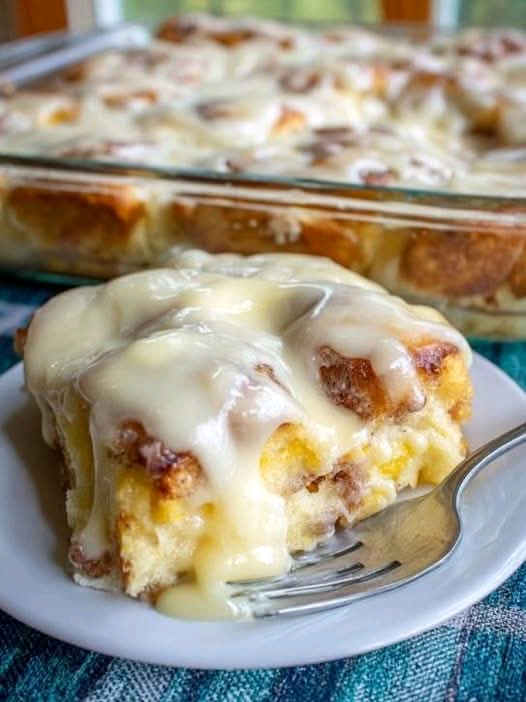
Overnight orange roll casserole is the answer to every holiday morning prayer. It transforms the humble refrigerated orange roll—that tube of fluffy, sugary goodness that Pillsbury has been perfecting since 1965—into a breakfast worthy of the most special mornings. It requires five minutes of assembly the night before. It bakes while you open presents. It fills your kitchen with the intoxicating aroma of orange, butter, and cinnamon.
And when you pull it from the oven, golden and bubbling, glazed and gorgeous, your family will gather around it like pilgrims at a shrine. They will not remember the lost scissors or the complicated instructions. They will remember the orange roll casserole.
If you are searching for easy Christmas breakfast ideas that don’t require early-morning effort, or if you need overnight brunch casseroles that feed a crowd with minimal fuss, this is your recipe. This is the dish that makes holiday mornings magical instead of manic. This is the casserole that will become a tradition.
The Orange Roll: A Brief History
The refrigerated orange roll is a specific and beloved American invention. In the 1930s, a company called Ballard created the first refrigerated biscuit dough, packaged in a cardboard tube that required the famous “pop” to open. The concept was revolutionary: homemade-style biscuits without the work.
Pillsbury acquired the technology in the 1950s and began expanding the line. By 1965, they introduced orange rolls—sweet, sticky, citrusy, and utterly irresistible. The dough was enriched with eggs and butter, rolled around a cinnamon-sugar filling, and topped with a tangy orange glaze. They were an instant classic.
The genius of the orange roll is its balance. The sweet dough provides richness. The cinnamon filling adds warmth. The orange glaze cuts through the sweetness with bright, acidic tang. It is breakfast and dessert in one perfect, spiraled package.
Turning these rolls into a casserole is the logical next step in their evolution. By cutting them into quarters and layering them in a baking dish, you create more surface area for the custard to absorb, more edges to caramelize, more pockets for the glaze to pool. It is the orange roll experience, optimized for sharing.
The Anatomy of the Perfect Overnight Casserole
Great overnight orange roll casserole has four essential components.
The Rolls: Refrigerated orange rolls are the star. Do not substitute cinnamon rolls; the flavor profile is different. The orange glaze packets that come with the rolls are essential to the final dish. Save them.
The Custard: Eggs, milk, cream, vanilla. This is what transforms the rolls from simple pastry into a casserole. The custard soaks into the cut rolls overnight, creating a texture that is part bread pudding, part sticky bun, entirely transcendent.
The Butter Sauce: Melted butter, brown sugar, and orange zest create a rich, caramelized base that bakes into a sticky, gooey bottom layer. This is the part that people fight over.
The Glaze: The reserved orange glaze packets, enhanced with additional cream cheese or butter, become the final flourish. Drizzled over the hot casserole, it seeps into every crevice, creating that signature orange tang.
The Ultimate Overnight Orange Roll Casserole Recipe
Yield: 8-10 servings
Ingredients:
For the Casserole:
· 3 cans (12.4 oz each) refrigerated orange rolls (with glaze packets)
· 4 large eggs
· ½ cup whole milk
· ½ cup heavy cream
· 1 teaspoon vanilla extract
· ¼ teaspoon salt
For the Butter Sauce:
· ½ cup unsalted butter, melted
· ½ cup packed brown sugar (light or dark)
· 1 tablespoon orange zest (from about 1 orange)
· 1 teaspoon cinnamon
For the Glaze:
· 3 reserved orange glaze packets from the rolls
· 2 ounces cream cheese, softened
· 2 tablespoons unsalted butter, softened
· ½ teaspoon vanilla extract
· Optional: additional orange zest for garnish
Instructions:
Phase One: The Night Before
Prepare the Baking Dish: Grease a 9×13-inch baking dish thoroughly with butter or nonstick spray.
Cut the Rolls: Open the cans of orange rolls. Do not discard the glaze packets; set them aside. Cut each roll into quarters. A sharp knife or kitchen shears works best.
Arrange in Dish: Scatter the cut roll pieces evenly in the prepared baking dish. They should be in a single layer but can overlap slightly. Do not pack them down.
Make the Butter Sauce: In a small bowl, whisk together the melted butter, brown sugar, orange zest, and cinnamon until smooth. Pour this mixture evenly over the roll pieces.
Make the Custard: In a medium bowl, whisk together the eggs, milk, cream, vanilla, and salt until well combined. Pour evenly over the rolls.
Cover and Refrigerate: Cover the dish tightly with plastic wrap or aluminum foil. Refrigerate for at least 8 hours, or up to 24 hours. This overnight rest is essential for the custard to fully absorb into the rolls.
Phase Two: The Morning Of
Preheat: Preheat your oven to 350°F (175°C). Remove the casserole from the refrigerator while the oven heats. Remove the plastic wrap.
Bake: Place the casserole in the preheated oven. Bake for 35-45 minutes, until the casserole is puffed, golden brown, and set in the center. A knife inserted into the center should come out clean or with just a few moist crumbs.
Check for Doneness: If the top is browning too quickly, cover loosely with foil for the last 10-15 minutes of baking.
Make the Glaze: While the casserole bakes, prepare the glaze. In a medium bowl, beat together the reserved orange glaze packets, softened cream cheese, softened butter, and vanilla until smooth. If the mixture is too thick to drizzle, add 1-2 teaspoons of milk.
Glaze: Remove the casserole from the oven. Let it cool for 5-10 minutes. Drizzle the glaze generously over the warm casserole.
Serve: Sprinkle with additional orange zest if desired. Serve warm, scooping portions that include the gooey bottom layer.
The Overnight Advantage
Why overnight? Why not just bake immediately?
Because time transforms this casserole. The overnight rest allows the custard to fully penetrate every piece of roll. The eggs and milk soften the dough, creating a texture that is simultaneously tender and substantial. The butter sauce sinks to the bottom, creating a caramelized, sticky layer that is the best part of the dish.
Without the overnight rest, you have a decent orange roll bake. With it, you have something transcendent.
The Roll Selection
Not all orange rolls are created equal.
Pillsbury Orange Rolls: The gold standard. Widely available, consistently delicious. The glaze packets are the perfect amount of tangy-sweet.
Store Brand Orange Rolls: Acceptable but variable. Some store brands have less orange flavor or thinner glaze. If using store brand, consider adding extra orange zest to the butter sauce and glaze.
Homemade Orange Rolls: If you are truly ambitious, you can make your own. But the convenience of the refrigerated tubes is the entire point of this recipe. Save your energy for other things.
The Custard Customization
The basic custard is perfect, but variations are welcome.
Richer Custard: Use all heavy cream instead of milk. This creates an exceptionally rich, decadent casserole.
Lighter Custard: Use half-and-half instead of cream and milk. Still rich but slightly less indulgent.
Extra Egg Yolks: Add 2 additional egg yolks for an even richer, more custardy texture.
Citrus Boost: Add 1 tablespoon orange liqueur (like Grand Marnier) to the custard. This enhances the orange flavor without adding sweetness.
The Glaze Theology
The reserved glaze packets are essential, but they are even better enhanced.
Cream Cheese Glaze: Adding cream cheese to the glaze provides tanginess that cuts through the sweetness. This is the version in the master recipe, and it is the best version.
Butter Glaze: Adding extra butter makes the glaze richer and more luxurious.
Orange Zest Glaze: Adding fresh orange zest to the glaze intensifies the citrus flavor and adds beautiful visual specks.
Powdered Sugar Backup: If you lose the glaze packets or need extra, make a simple powdered sugar glaze: 1 cup powdered sugar, 2 tablespoons orange juice, 1 tablespoon melted butter, ½ teaspoon vanilla. Whisk until smooth.
The Flavor Universe: Infinite Overnight Casserole Variations
The orange roll template is perfect. But once you understand the method, the variations are endless.
Cinnamon Roll Casserole:
Substitute cinnamon rolls for orange rolls. Use the included icing packets. Add 1 teaspoon cinnamon to the butter sauce. This is the classic, beloved version.
Apple Cinnamon Roll Casserole:
Add 2 cups peeled, diced apples to the butter sauce before pouring over the rolls. The apples soften during baking, creating pockets of fruity goodness.
Cranberry Orange Roll Casserole:
Add 1 cup dried cranberries scattered over the rolls before adding the butter sauce. The cranberries plump during baking and add tartness that balances the sweetness.
Pecan Sticky Bun Casserole:
Add 1 cup chopped pecans to the butter sauce. After glazing, sprinkle with additional toasted pecans. This is the sticky bun version.
Chocolate Orange Roll Casserole:
Add ½ cup mini chocolate chips scattered over the rolls before adding the butter sauce. Chocolate and orange are a classic pairing.
Cream Cheese Stuffed Orange Roll Casserole:
Cut the rolls into quarters. Before arranging in the dish, press a small cube of cold cream cheese into the center of each quarter. The cream cheese melts into pockets of tangy richness.
Bacon Maple Orange Roll Casserole:
Cook ½ pound bacon until crisp, crumble, and scatter over the rolls before adding the butter sauce. Replace ¼ cup of the milk with maple syrup in the custard. Sweet, salty, smoky, perfect.
The Holiday Morning Timeline
Here is how the overnight casserole transforms your holiday morning.
The Night Before (10 minutes): Assemble the casserole. Cover and refrigerate. Go to bed.
Christmas Morning, 7:00 AM: Remove casserole from refrigerator. Preheat oven. Start coffee.
7:15 AM: Place casserole in oven. Set timer for 35 minutes. Begin opening presents.
7:50 AM: Check casserole. If golden and set, remove. If not, bake 5-10 minutes more.
8:00 AM: Make glaze while casserole cools slightly.
8:05 AM: Drizzle glaze over warm casserole. Call everyone to the table.
8:10 AM: Serve. Accept compliments. Drink coffee. Watch the chaos resolve into joy.
The Serving Strategy
Orange roll casserole is rich. A little goes a long way.
Portion Size: A 3×3-inch square is plenty for most adults. Serve with fresh fruit or a side of bacon or sausage to balance the sweetness.
Temperature: Serve warm, not hot. The glaze sets slightly as it cools, creating the perfect texture.
Accompaniments: Fresh orange slices, a dollop of whipped cream, or a side of Greek yogurt all complement the casserole beautifully.
The Leftover Question
Leftover orange roll casserole is a gift. Here is how to handle it.
Reheat: Individual portions reheat beautifully in the microwave for 30-45 seconds. For larger portions, reheat in a 350°F oven, covered, for 10-15 minutes.
Room Temperature: The casserole is also delicious at room temperature. Pack leftovers in lunchboxes for a sweet treat.
Freeze: This casserole freezes reasonably well. Cool completely, wrap tightly in plastic wrap and foil, and freeze for up to 3 months. Thaw overnight in the refrigerator and reheat in a 350°F oven until warm.
The Make-Ahead Magic
The overnight aspect is the entire point, but you can push it further.
Two Days Ahead: Assemble the casserole up to 48 hours in advance. The longer soak only improves the texture.
Freeze Unbaked: Assemble the casserole in a disposable foil pan, cover tightly, and freeze for up to 3 months. Thaw overnight in the refrigerator before baking. Add 10-15 minutes to the baking time.
Bake and Freeze: Bake the casserole completely, cool, wrap, and freeze. Reheat as directed.
Troubleshooting: When Casseroles Go Wrong
The Casserole Is Soggy: You used too much custard, or your rolls were too dense. Next time, reduce the custard by ¼ cup or use the full amount of cream instead of milk for a richer, less watery result.
The Casserole Is Dry: You did not use enough custard, or you overbaked it. Next time, ensure the custard covers the rolls evenly and check for doneness earlier.
The Top Burned Before the Center Was Set: Your oven runs hot, or your dish was too small. Next time, cover with foil for the first 25 minutes of baking, then uncover to brown.
The Bottom Stuck to the Dish: You did not grease the dish sufficiently, or the butter sauce caramelized too deeply. Next time, grease generously and consider using nonstick foil.
The Glaze Is Too Thick: You did not add enough liquid. Add milk, 1 teaspoon at a time, until it reaches drizzling consistency.
The Glaze Is Too Thin: You added too much liquid, or the cream cheese was too soft. Add more powdered sugar, 1 tablespoon at a time, until thickened.
The Orange Flavor Is Weak: Your orange rolls were not flavorful enough, or you skipped the extra orange zest. Next time, add fresh orange zest to the butter sauce and glaze. Zest is concentrated flavor.
The Sentimental Casserole
My mother-in-law made orange rolls for every holiday breakfast. Not casserole—actual rolls, arranged in a circle on a baking sheet, baked until golden, glazed with the included packets. They were the first thing I ate at my first Christmas with my husband’s family, and they tasted like acceptance, like welcome, like the beginning of something new.
When she passed away, I inherited her recipes. Not written down, exactly—she was not a writer. Inherited in the sense that I remembered. I remembered the way she popped the tube against the counter edge. I remembered the way she arranged the rolls just so. I remembered the way she set them on the table, still warm, and smiled at everyone as they reached for one.
The first Christmas after she was gone, I made orange rolls. But I was tired. I was sad. I was trying to hold everything together for my husband and children while falling apart inside. I did not have the energy to arrange rolls in perfect circles. I did not have the heart.
So I made a casserole. I cut them up, threw them in a dish, added eggs and cream and butter and sugar, and hoped for the best.
It was better. Not better than her rolls—nothing could be better than her rolls. But better for that morning. Better for the chaos. Better for the exhaustion. Better for the grief that made perfection impossible.
My husband ate a serving. Then another. Then he looked at me with tears in his eyes and said, “This tastes like Christmas.”
That is the secret, I think. Not the perfect arrangement or the ideal glaze consistency or the precise bake time. The secret is that overnight orange roll casserole is never really about the casserole. It is about the morning. It is about the people around the table. It is about the traditions we carry forward, adapting them to fit our lives, our energy, our grief, our joy.
It is about making something delicious even when you cannot make something perfect.
Make this casserole for the holiday morning when you need to simplify. Make it for the family gathering where you want to serve something special without spending the whole morning in the kitchen. Make it for the friends who are coming for brunch, the children who need to be fed before the presents, the spouse who needs to feel loved.
Make it because it is easy and beautiful and everyone loves it.
Make it because people like to eat.
And then sit at the table, watching your family scoop seconds onto their plates, watching the casserole dish empty, watching the morning unfold around the food, and know that you have done something ancient and good.
You have taken tubes of refrigerated dough and transformed them into love. You have created a holiday morning that will live in someone’s memory for decades. You have continued a tradition that stretches back through generations of cooks who stood at stoves just like yours, adapting, simplifying, making it work.
That is not just cooking. That is resilience. That is the taste of Christmas morning.
Memorize this recipe. It will never let you down. It will carry you through holidays and brunches and mornings when you need to feed people without fuss.
It is the taste of orange and butter and cinnamon. It is the taste of grace under pressure. It is ready whenever you are.
More Recipes You Might Like
-

Honey Garlic Glazed Chicken Wings
Introduction Honey Garlic Glazed Chicken Wings are a delicious combination of crispy chicken wings coated in a sweet, savory, and garlicky glaze. The caramelized honey creates a beautiful glossy finish, while garlic and seasonings add depth and flavor. They are perfect for family dinners, game-day gatherings, parties, or a satisfying appetizer. Origin Honey garlic is…
-

Crispy Meat and Herb
Introduction Crispy Meat and Herb is a hearty, flavorful dish that combines tender, well-seasoned meat with a deliciously crisp exterior and fragrant herbs. It is easy to prepare and makes a satisfying main course for family dinners, gatherings, or weekend meals. Origin Crispy meat dishes appear in many culinary traditions around the world, where browning…
-

Bay Leaf and Clove Herbal Tea
Bay Leaf and Clove Herbal Tea Introduction Bay Leaf and Clove Herbal Tea is a warm, aromatic infusion made with fragrant bay leaves and spicy cloves. It is simple to prepare, naturally caffeine-free, and often enjoyed as a comforting drink after meals or during quiet moments. The combination creates a pleasantly spicy, earthy flavor with…