

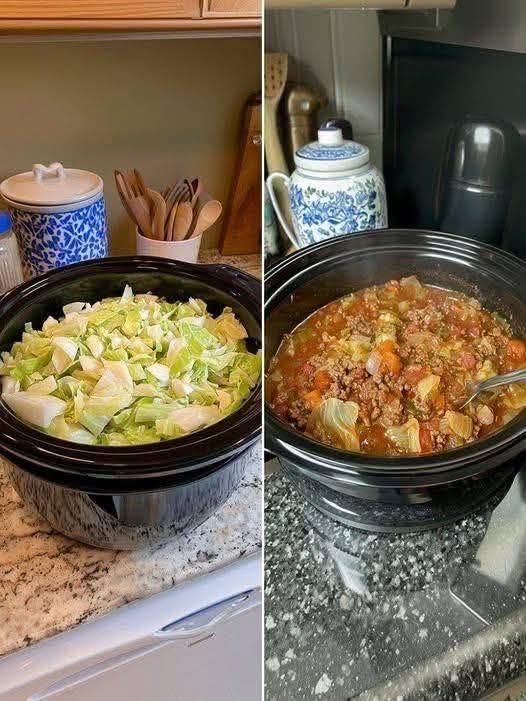
There is a specific, almost paradoxical reputation that precedes cabbage soup. Mention it in mixed company, and someone will inevitably bring up the Cabbage Soup Diet—that 1970s fad that promised rapid weight loss through endless bowls of bland, watery soup. They will wrinkle their noses. They will recall stories of misery and deprivation.
They have never had good cabbage soup.
Real cabbage soup is not a punishment. It is not a diet food to be endured. It is a celebration of one of the world’s most humble, most versatile, most satisfying vegetables. It is the soup that has warmed peasants and kings for centuries, appearing in every cuisine from Polish kapusniak to German Krautsuppe to Chinese hot and sour cabbage soup. It is cheap, nourishing, and deeply, profoundly comforting.
Good cabbage soup is rich with savory depth from slow-simmered vegetables and broth. It is sweet from caramelized onions and carrots. It is bright with acidity from tomatoes or a splash of vinegar. And the cabbage? It transforms during cooking, becoming tender and translucent, absorbing all the flavors around it while contributing its own subtle sweetness.
This is that soup. This is the cabbage soup that will change your mind. This is the soup you will make when you are sick, when you are broke, when you are cold, when you need something warm and good and true.
If you are searching for healthy cabbage soup recipes that actually taste delicious, or if you need budget-friendly meals that feed a crowd, this is your answer. It is the proof that the simplest ingredients, treated with care, become something extraordinary.
The History of Cabbage Soup
Cabbage soup is as old as cabbage itself. Cabbage is one of the oldest cultivated vegetables, grown for thousands of years across Europe and Asia. It is hardy, stores well through winter, and grows in poor soil. For centuries, it was the vegetable of the poor, the reliable staple that kept people alive when other foods were scarce.
Every culture developed its own cabbage soup. In Poland, kapusniak is made with sauerkraut and often includes pork. In Germany, cabbage soup appears with sausage and potatoes. In Ireland, it is called “cabbage soup” and is exactly what it sounds like. In China, it shows up in hot and sour versions.
The Cabbage Soup Diet emerged in the 1970s and became infamous in the 80s and 90s. It promised rapid weight loss through eating unlimited cabbage soup for a week. The soup itself was often bland and unappealing, designed for utility rather than pleasure. It gave cabbage soup a bad name.
But real cabbage soup has nothing to do with diets. It has everything to do with comfort, nourishment, and the magic of transforming humble ingredients into something greater than the sum of their parts.
The Anatomy of Perfect Cabbage Soup
Great cabbage soup has five essential components.
The Cabbage: Green cabbage is the classic. Savoy cabbage is more tender. Napa cabbage is delicate. All work. The cabbage should be sliced or chopped, not grated, so it retains some texture.
The Aromatics: Onion, carrot, celery—the classic mirepoix. They provide the savory foundation. Garlic adds depth.
The Broth: Vegetable broth for a vegetarian version. Chicken or beef broth for richer flavor. Homemade is ideal, but good quality store-bought works.
The Tomatoes: Canned tomatoes add acidity and brightness. They balance the sweetness of the cabbage and carrots. A splash of vinegar at the end serves a similar purpose.
The Herbs: Bay leaf, thyme, parsley. Simple, classic, essential. Dill is wonderful if you want an Eastern European touch.
The Ultimate Cabbage Soup Recipe
Yield: 8-10 servings
Ingredients:
· 2 tablespoons olive oil or butter
· 1 large onion, diced
· 2 large carrots, peeled and diced
· 2 celery stalks, diced
· 4 cloves garlic, minced
· 1 medium head green cabbage (about 2 lbs), cored and thinly sliced or chopped
· 1 can (14.5 oz) diced tomatoes, with their juices
· 6 cups vegetable, chicken, or beef broth
· 2 bay leaves
· 1 teaspoon dried thyme (or 3 sprigs fresh)
· 1 teaspoon kosher salt (plus more to taste)
· ½ teaspoon black pepper
· 2 tablespoons fresh parsley, chopped
· 1-2 tablespoons red wine vinegar or lemon juice (to finish)
Optional Add-Ins:
· 2 cups chopped kale or spinach (added at the end)
· 1 can white beans, drained and rinsed
· 2 cups cooked shredded chicken
· 8 oz sliced kielbasa or smoked sausage
· 1 cup cooked rice or quinoa
Instructions:
Sauté the Aromatics: In a large pot or Dutch oven, heat the olive oil over medium heat. Add the onion, carrots, and celery. Cook, stirring occasionally, until softened, about 8-10 minutes. Add the garlic and cook for 1 minute more.
Add the Cabbage: Add the sliced cabbage to the pot. Cook for 5-7 minutes, stirring occasionally, until it begins to wilt slightly. This step develops flavor.
Add Tomatoes and Broth: Add the diced tomatoes with their juices, broth, bay leaves, thyme, salt, and pepper. Stir to combine.
Simmer: Bring to a boil, then reduce heat to low. Cover and simmer for 30-45 minutes, until the cabbage is tender and the flavors have melded.
Add Any Optional Ingredients: If using beans, chicken, sausage, or greens, add them now and simmer for 10-15 minutes more until heated through.
Finish: Remove the bay leaves. Stir in the fresh parsley and the red wine vinegar or lemon juice. Taste and adjust seasoning with additional salt and pepper.
Serve: Ladle into bowls and serve hot. A drizzle of good olive oil or a dollop of sour cream is a lovely finish.
The Cabbage Selection
Not all cabbages are created equal. Here is what to know.
Green Cabbage: The standard. Firm, dense, holds up well to long cooking. The classic choice.
Savoy Cabbage: More tender, with crinkly leaves. Cooks faster, has a milder flavor. Excellent for a more delicate soup.
Napa Cabbage: Very tender, almost delicate. Best for shorter cooking times. Adds a subtle sweetness.
Red Cabbage: Beautiful color, slightly peppery flavor. It will turn the soup purple, which is lovely. Use it if you want visual drama.
Pre-Shredded Coleslaw Mix: In a pinch, this works. It is already shredded, so it cooks quickly. Not ideal but convenient.
The Broth Question
Broth is the foundation. Choose wisely.
Vegetable Broth: For a vegetarian version. Use a good quality brand; some are bland. Add a Parmesan rind if you have one for extra depth.
Chicken Broth: Classic, rich, savory. The standard choice.
Beef Broth: Deeper, more intense. Wonderful with cabbage. Use if you want a heartier soup.
Homemade: Always best. Save vegetable scraps and chicken bones in the freezer, and make broth when you have enough.
Water: In a pinch, water works. You will need to season more aggressively.
The Tomato Question
Tomatoes add acidity and brightness. Here are the options.
Diced Tomatoes: The standard. Use fire-roasted for extra flavor.
Crushed Tomatoes: Create a thicker, more tomato-forward soup.
Fresh Tomatoes: Use 2-3 fresh tomatoes, diced, when in season. Grate them for a quicker release of juices.
Tomato Paste: Add 2 tablespoons with the aromatics for deeper tomato flavor, then use less broth.
No Tomatoes: Omit them entirely for a clearer, more cabbage-forward soup. Finish with extra vinegar for brightness.
The Vinegar Finish
A splash of acid at the end transforms the soup. Do not skip it.
Red Wine Vinegar: Classic choice. Adds depth and brightness.
Apple Cider Vinegar: Slightly fruity, wonderful with cabbage.
White Wine Vinegar: Clean, bright, neutral.
Lemon Juice: Fresh and bright. Use if you want a lighter finish.
Sherry Vinegar: Adds complexity. Wonderful if you have it.
The Flavor Universe: Endless Cabbage Soup Variations
The classic is perfect. But variations are endless.
Hearty Sausage and Cabbage Soup:
Brown 8 oz sliced kielbasa or smoked sausage in the pot before adding the aromatics. Remove, sauté vegetables, then return sausage with the broth. This is a meal in a bowl.
Chicken and Cabbage Soup:
Add 2 cups cooked, shredded chicken during the last 15 minutes. This is the ultimate cold-fighting soup.
White Bean and Cabbage Soup:
Add 1 can drained and rinsed cannellini beans during the last 15 minutes. The beans add creaminess and protein.
Kielbasa and Potato Cabbage Soup:
Add 2 cups diced potatoes with the broth. Add sliced kielbasa. Simmer until potatoes are tender. This is a complete meal.
Spicy Cabbage Soup:
Add 1 teaspoon red pepper flakes with the garlic. Use hot Italian sausage. Finish with hot sauce. This will warm you from the inside.
Curried Cabbage Soup:
Add 1 tablespoon curry powder with the garlic. Use coconut milk instead of some broth. Finish with cilantro and lime. This is Indian-inspired and wonderful.
Cabbage and Lentil Soup:
Add 1 cup brown or green lentils with the broth. Simmer until lentils are tender. The lentils add heartiness and protein.
The Make-Ahead Advantage
Cabbage soup improves with rest. This is not a last-minute dish.
Same Day: Good. The flavors have begun to meld.
Next Day: Better. The soup has rested, the flavors have deepened.
Day Three: Best. Cabbage soup reaches its peak after a day or two in the refrigerator.
Freezer: Cabbage soup freezes beautifully. Cool completely, transfer to freezer containers, and freeze for up to 3 months. Thaw overnight in the refrigerator and reheat gently.
The Serving Question
Cabbage soup is a meal in itself. But it welcomes company.
With Crusty Bread: Essential for sopping up every last drop.
With Sour Cream: A dollop adds richness and tang. Especially good with Eastern European variations.
With Fresh Herbs: A sprinkle of dill, parsley, or chives brightens everything.
With Cheese: A shower of Parmesan or a spoonful of grated cheddar melts into the hot soup.
With Hot Sauce: For those who like heat.
The Leftover Strategy
Leftovers are a gift. Here is how to use them.
Cabbage Soup, Again: It is even better the next day. Just reheat and serve.
Cabbage Soup with Eggs: Poach an egg in the simmering soup for the last 5 minutes. The runny yolk enriches everything.
Cabbage Soup over Grains: Serve over rice, quinoa, or farro for extra heartiness.
Cabbage Soup as Sauce: Reduce leftovers until thick and serve over pasta or potatoes.
Cabbage Soup Freezer Stash: Freeze in individual portions for quick lunches.
Troubleshooting: When Soups Go Wrong
The Soup Is Bland: You under-seasoned, or your broth was weak. Next time, use more salt and consider adding a Parmesan rind or a splash of fish sauce for umami. For this batch, add salt, a splash of vinegar, and maybe a bouillon cube dissolved in hot water.
The Cabbage Is Mushy: You overcooked it. Next time, simmer gently and check for doneness earlier. Cabbage should be tender but not falling apart.
The Cabbage Is Still Tough: You did not cook it long enough. Next time, simmer longer. Some cabbages need more time than others.
The Soup Is Too Acidic: You added too much tomato or vinegar. Next time, reduce the amount. For this batch, add a pinch of sugar or a splash of cream to balance.
The Soup Is Too Thin: You used too much broth, or you did not cook it down. Next time, reduce the broth or simmer longer. For this batch, simmer uncovered to reduce, or mash some of the vegetables to thicken.
The Soup Is Too Thick: Add more broth or water until it reaches your desired consistency.
The Sentimental Soup
My grandmother made cabbage soup every fall when the first cabbages came in from the garden. Not from a recipe—from memory, from instinct, from decades of practice. She would start with onions from the pantry, carrots pulled that morning, a head of cabbage as big as a basketball. She would simmer it for hours on the back of the stove, filling the house with an aroma that meant comfort was coming.
She served it with dark rye bread and salted butter, and we ate it in big bowls, hunched over the table, silent with satisfaction. It was not fancy. It was not complicated. It was just soup. But it was the best soup any of us had ever eaten.
When I asked her once what made it so good, she shrugged. “Cabbage soup is supposed to be good,” she said. “It has been good for a thousand years. I did not invent anything.”
She was right. Cabbage soup has been good for a thousand years. It has fed peasants and kings, the poor and the wealthy, the sick and the healthy. It is the most democratic of foods, requiring nothing more than cabbage, water, and time, yet capable of being elevated to something sublime.
That is the secret, I think. Not the perfect ratio of vegetables or the ideal simmering time or the right finishing vinegar. The secret is that cabbage soup is never really about the soup. It is about the thousand years of cooks who have made it. It is about the grandmothers who knew that simple was best. It is about the cold evenings when a bowl of something warm makes everything better.
It is about feeding people, the way they have always been fed.
Make this soup on a cold autumn day. Make it when you are sick and need comfort. Make it when you are broke and need to stretch a few ingredients into many meals. Make it because it is cheap and healthy and deeply satisfying.
Make it because people like to eat.
And then sit at the table, spooning up tender cabbage and savory broth, dipping crusty bread into the golden liquid, and know that you have done something ancient and good.
You have taken a humble cabbage and transformed it into gold. You have created a soup that has fed humanity for centuries. You have fed the people in front of you.
That is not just cooking. That is the soup that diets are built on, reclaimed for pleasure. That is the taste of a thousand years.
Memorize this recipe. It will never let you down. It will carry you through cold winters and tight budgets and moments when you need something warm and good and true.
It is the taste of cabbage and carrots and onions and broth. It is the taste of tradition. It is ready whenever you are.
More Recipes You Might Like
-

Honey Garlic Glazed Chicken Wings
Introduction Honey Garlic Glazed Chicken Wings are a delicious combination of crispy chicken wings coated in a sweet, savory, and garlicky glaze. The caramelized honey creates a beautiful glossy finish, while garlic and seasonings add depth and flavor. They are perfect for family dinners, game-day gatherings, parties, or a satisfying appetizer. Origin Honey garlic is…
-

Crispy Meat and Herb
Introduction Crispy Meat and Herb is a hearty, flavorful dish that combines tender, well-seasoned meat with a deliciously crisp exterior and fragrant herbs. It is easy to prepare and makes a satisfying main course for family dinners, gatherings, or weekend meals. Origin Crispy meat dishes appear in many culinary traditions around the world, where browning…
-

Bay Leaf and Clove Herbal Tea
Bay Leaf and Clove Herbal Tea Introduction Bay Leaf and Clove Herbal Tea is a warm, aromatic infusion made with fragrant bay leaves and spicy cloves. It is simple to prepare, naturally caffeine-free, and often enjoyed as a comforting drink after meals or during quiet moments. The combination creates a pleasantly spicy, earthy flavor with…