

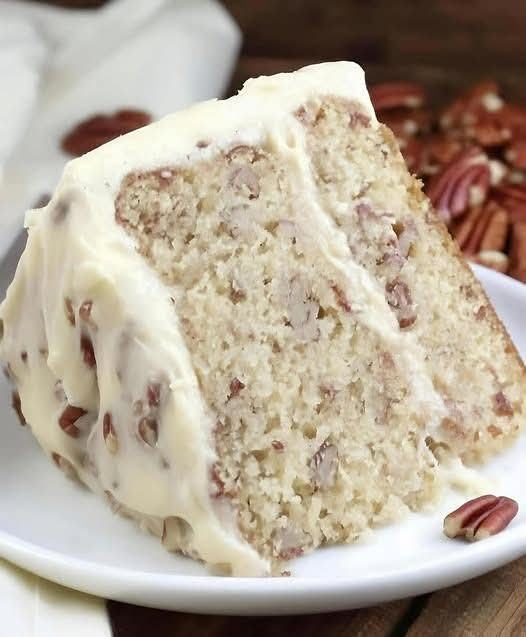
The Semi-Homemade Wonder: Why Cake Mix Italian Cream Cake Is the Shortcut You Need
There is a specific, almost reverent place reserved in Southern baking for Italian Cream Cake. It appears at weddings and anniversaries, at Easter brunches and Christmas dinners. It is the cake your grandmother made, the one with the tender crumb, the coconut and pecans folded carefully into the batter, the tangy cream cheese frosting spread thick between layers and over the top.
It is also, traditionally, a production. Separating eggs. Creaming butter and sugar. Toasting nuts. Folding stiffly beaten egg whites. It is a labor of love, the kind of cake you make when you have an entire afternoon and someone you love enough to spend it on.
But what if you do not have an afternoon? What if you have a busy schedule and a craving and a box of cake mix in the pantry? What if you want that same rich, nutty, coconutty, cream-cheese-frosted glory without the production?
Enter cake mix Italian cream cake.
This is not cheating. This is working smarter. This is taking the convenience of a modern shortcut and combining it with the signature ingredients that make Italian cream cake what it is. The result is a cake that tastes every bit as special as the from-scratch version but comes together in minutes instead of hours.
If you are searching for easy semi-homemade cakes that taste like you labored, or if you need shortcut versions of classic desserts that still deliver on flavor, this cake is your answer. It is the proof that a box mix is not a crutch—it is a canvas.
What Is Italian Cream Cake?
Despite its name, Italian Cream Cake is not Italian. It is a Southern classic, believed to have originated in Texas or perhaps Alabama, and it has been gracing Southern tables for generations .
The cake is characterized by its tender, moist crumb, which comes from buttermilk and often from separated eggs, with the whites beaten separately and folded in. It is studded with chopped pecans and shredded coconut, giving it texture and flavor in every bite. And it is always, always finished with a rich cream cheese frosting.
The “Italian” in the name remains something of a mystery. Some speculate it comes from the use of vegetable oil instead of butter, which was common in Italian immigrant communities. Others think it was simply a marketing term, lending an air of Old World sophistication to a Southern creation.
Whatever the origin, the result is beloved. And this version delivers all that beloved flavor with a fraction of the work.
The Anatomy of Perfect Cake Mix Italian Cream Cake
Great cake mix Italian cream cake has three essential components, each with its own considerations.
The Cake: A white or butter cake mix provides the foundation. Buttermilk replaces water for richness and tang. Eggs, oil, and the signature add-ins—coconut and pecans—transform the box mix into something unmistakably homemade.
The Add-Ins: Sweetened shredded coconut and chopped pecans are non-negotiable. They are what make Italian cream cake what it is. Toast the pecans first for deeper flavor.
The Frosting: Cream cheese frosting, tangy and rich, is the crowning glory. It must be spread generously between layers and over the top, with extra pecans for garnish.
The Ultimate Cake Mix Italian Cream Cake Recipe
Yield: 12-14 servings
Ingredients:
For the Cake:
· 1 box (15.25 oz) white or butter cake mix (Duncan Hines or Betty Crocker recommended)
· 4 large eggs, at room temperature
· 1 cup buttermilk, at room temperature
· ½ cup vegetable oil
· 1 teaspoon vanilla extract
· 1 teaspoon almond extract (optional but traditional)
· 1 cup sweetened shredded coconut
· 1 cup chopped pecans, plus more for garnish
For the Cream Cheese Frosting:
· 8 ounces cream cheese, softened
· ½ cup unsalted butter, softened
· 4 cups powdered sugar, sifted
· 2-3 tablespoons heavy cream or milk
· 1 teaspoon vanilla extract
· Pinch of salt
Instructions:
Phase One: The Cake
Preheat and Prepare: Preheat your oven to 350°F (175°C). Grease and flour three 8-inch round cake pans, or spray generously with baking spray . For extra insurance, line the bottoms with parchment paper rounds.
Mix the Batter: In a large bowl, combine the cake mix, eggs, buttermilk, oil, vanilla extract, and almond extract if using. Beat with an electric mixer on medium speed for 2-3 minutes, until smooth and well combined . Scrape down the sides and bottom of the bowl.
Add the Stir-Ins: Gently fold in the shredded coconut and chopped pecans by hand until evenly distributed . Do not overmix.
Bake: Divide the batter evenly among the prepared pans. Bake for 20-24 minutes or 25-30 minutes , depending on your oven, until a toothpick inserted into the center comes out clean or with a few moist crumbs.
Cool: Let the cakes cool in the pans for 10 minutes . Then turn them out onto wire racks to cool completely. Do not frost until completely cool.
Phase Two: The Frosting
Cream the Base: In a large bowl, beat the softened cream cheese and butter together until smooth and creamy, about 2-3 minutes .
Add Sugar: Gradually add the powdered sugar, 1 cup at a time, beating on low speed until incorporated. Scrape down the sides as needed.
Adjust Consistency: Add the vanilla extract, salt, and 2 tablespoons of heavy cream. Beat on medium-high speed until fluffy and smooth. If the frosting is too thick, add more cream, 1 teaspoon at a time. If it is too thin, add more powdered sugar .
Phase Three: The Assembly
Level if Needed: If your cake layers have domed tops, use a serrated knife to level them.
First Layer: Place one cake layer on your serving plate. Spread about ¾ cup of frosting evenly over the top.
Second Layer: Place the second layer on top. Spread another ¾ cup of frosting.
Third Layer: Place the final layer on top. Spread a thin layer of frosting over the entire cake to create a crumb coat. Refrigerate for 15-20 minutes to set.
Final Frosting: Frost the top and sides of the cake generously with the remaining frosting. Use an offset spatula for smooth finish, or leave it textured for a rustic look.
Garnish: Sprinkle the top with additional chopped pecans. Press extra pecans gently into the sides if desired.
Chill and Serve: Refrigerate for at least 2 hours before slicing to allow the frosting to set . Serve chilled or at room temperature.
The Cake Mix Question
Not all cake mixes are created equal. Here is what to know.
White Cake Mix: The classic choice. It provides a neutral base that lets the coconut and pecans shine .
Butter Cake Mix: Richer flavor, slightly denser crumb. Excellent choice.
Yellow Cake Mix: Slightly more buttery flavor, works beautifully.
French Vanilla Cake Mix: Adds a subtle vanilla note. Also excellent.
Duncan Hines vs. Betty Crocker: Both work. Use your preferred brand. Some bakers find Duncan Hines slightly moister .
The Buttermilk Imperative
Buttermilk is essential to Italian cream cake. Do not substitute regular milk.
Why Buttermilk: It provides tanginess that balances the sweetness. Its acidity tenderizes the gluten, creating a more tender crumb. It also reacts with the baking soda in the cake mix for better rise .
No Buttermilk? Make your own: Add 1 tablespoon of lemon juice or white vinegar to a measuring cup, then fill with milk to the 1-cup line. Let sit for 5 minutes before using .
Room Temperature: Buttermilk, like eggs, should be at room temperature for best incorporation. Take it out an hour before baking.
The Coconut and Pecan Situation
These are the signature add-ins. Handle them with care.
Coconut: Sweetened shredded coconut is traditional. It adds sweetness and texture. Do not use unsweetened; the cake needs the sweetness. If you want to toast it for deeper flavor, spread on a baking sheet and toast at 350°F for 3-5 minutes, watching carefully .
Pecans: Chopped pecans add crunch and nutty flavor. Toast them before adding for maximum impact: spread on a baking sheet and toast at 350°F for 5-7 minutes until fragrant . Let cool completely before folding into batter.
Walnuts: Can substitute for pecans if needed . The flavor will be slightly different but still delicious.
The Almond Extract Question
Almond extract is traditional in many Italian cream cake recipes. It adds a subtle, nutty background note that complements the pecans beautifully .
With Almond Extract: Use 1 teaspoon. It will not taste like almonds; it will taste like “cake,” in the way that makes people ask what that flavor is.
Without Almond Extract: Omit it. The cake is still delicious. Add an extra teaspoon of vanilla instead.
The Cream Cheese Frosting Formula
Cream cheese frosting is essential. Here is how to get it right.
Softened Ingredients: Cream cheese and butter must be fully softened to room temperature. Cold ingredients create lumpy frosting .
Full-Fat: Use full-fat cream cheese and butter. Low-fat versions contain more water and can make the frosting runny.
Sifted Sugar: Sifting the powdered sugar prevents lumps. If you skip this step, beat the frosting longer to work out any bumps.
Consistency: The frosting should be spreadable but firm enough to hold its shape. Adjust with cream or additional sugar as needed .
The Flavor Universe: Endless Variations
The classic is perfect. But variations are welcome.
Chocolate Italian Cream Cake:
Use a chocolate cake mix. Proceed with the recipe. The chocolate-coconut-pecan combination is divine .
Pineapple Italian Cream Cake:
Fold ½ cup well-drained crushed pineapple into the batter. The pineapple adds moisture and tropical flavor .
Toasted Coconut Italian Cream Cake:
Toast the coconut before adding to the batter. Add additional toasted coconut to the frosting and as garnish.
Bourbon Italian Cream Cake:
Add 2 tablespoons bourbon to the batter. Brush each layer with additional bourbon before frosting. This is the adult version.
Rum-Soaked Italian Cream Cake:
Brush each cooled cake layer with 1 tablespoon rum before frosting. The rum adds warmth and complexity .
Layered with Pudding:
For extra richness, spread a thin layer of vanilla pudding between the cake layers along with the frosting.
The Make-Ahead Advantage
This cake is designed for make-ahead convenience.
Bake Layers Ahead: Bake the cake layers up to 2 days ahead. Wrap tightly in plastic wrap and store at room temperature. Freeze for longer storage .
Frosting Ahead: Make the frosting up to 3 days ahead. Store in an airtight container in the refrigerator. Bring to room temperature and re-whip before using.
Assembled Cake: The assembled cake keeps beautifully in the refrigerator for up to 5 days . Bring slices to room temperature before serving for best flavor.
Freeze the Cake: Unfrosted layers freeze for up to 3 months. Frosted cake can also be frozen, though the frosting may lose some texture.
The Bundt Pan Option
If you do not want to fuss with layers, make a bundt cake instead.
Bundt Variation: Grease a 10-cup bundt pan thoroughly. Prepare the batter as directed and pour into the pan. Bake at 325°F for 40-45 minutes . Cool in the pan for 15 minutes, then invert onto a wire rack to cool completely.
Glaze Instead of Frosting: For a bundt cake, consider a simple glaze instead of heavy frosting. Whisk together 1 cup powdered sugar, 2 tablespoons milk, and 1 teaspoon almond extract . Drizzle over cooled cake and sprinkle with additional pecans.
The Serving Question
How to serve this cake? Here are the options.
Chilled: Some prefer it straight from the refrigerator. The frosting is firmer, the cake is denser.
Room Temperature: The classic. The cake is more tender, the frosting softer. Remove from refrigerator 30-60 minutes before serving.
With Berries: Fresh raspberries or strawberries provide bright contrast.
With Coffee: A slice of this cake with a cup of coffee is perfection.
For Celebrations: Dress it up with fresh flowers, candied pecans, or a dusting of coconut.
The Leftover Strategy
Leftovers are a gift. Here is how to use them.
Cake Trifle: Layer cubes of leftover cake with additional frosting, fresh berries, and whipped cream in a glass bowl.
Cake Pops: Crumble leftover cake, mix with a little frosting, form into balls, dip in chocolate.
Ice Cream Topping: Crumble over vanilla ice cream for instant sundae.
French Toast: Use thick slices of leftover cake to make the most decadent French toast of your life.
Troubleshooting: When Cakes Go Wrong
The Cake Is Dense: You overmixed the batter, or your leaveners were old. Next time, mix just until combined and check expiration dates.
The Cake Is Dry: You overbaked it. Next time, check for doneness earlier. For this batch, brush layers with simple syrup before frosting.
The Cake Stuck to the Pan: You did not grease thoroughly enough. Next time, use baking spray with flour or line with parchment.
The Frosting Is Too Runny: Your cream cheese was too soft, or you added too much liquid. Next time, ensure proper ratios. For this batch, refrigerate to firm up.
The Frosting Is Too Thick: You did not add enough liquid. Next time, add cream gradually. For this batch, beat in additional cream.
The Layers Are Uneven: Your pans were different sizes, or you did not measure batter evenly. Next time, weigh or measure batter for consistent layers.
The Sentimental Cake
My grandmother made Italian cream cake for every family birthday. Not her birthday—everyone else’s. She would ask weeks in advance what kind of cake we wanted, and when someone inevitably said “Italian cream,” she would nod and make a note and then spend the next two weeks planning.
She made it from scratch. Always. She would start by toasting the pecans, filling the kitchen with that warm, nutty aroma. She would separate eggs by hand, passing the yolk back and forth between shell halves until not a trace of white remained. She would fold the beaten egg whites into the batter with a gentle, sweeping motion that seemed almost like prayer.
I thought that was the only way. I thought love had to be laborious.
When I made this cake mix version for the first time, I felt almost guilty. It was too easy. It took fifteen minutes to assemble. It did not require separating eggs or toasting nuts (though I toasted them anyway, because old habits). It came out of the oven looking and smelling exactly like hers.
I brought it to a family gathering. No one knew it was from a mix. No one asked. They just ate it and said, “This tastes like Nana’s.”
That is the secret, I think. Not the hours of labor or the from-scratch purity. The secret is that what makes a cake taste like love is not the method—it is the person who made it, and the people who eat it together.
Nana would have understood. She was practical. She used margarine when butter was expensive. She used canned frosting when she was tired. She knew that the point was not the recipe. The point was the table, the family, the moment.
Make this cake for your next celebration. Make it for a birthday, a holiday, a Tuesday. Make it because it is easy and beautiful and everyone loves it. Make it because it tastes like the cake your grandmother made, even if she never used a box mix.
Make it because people like to eat.
And then sit at the table, watching your family take second slices, watching the cake disappear, watching the conversation flow around the food, and know that you have done something ancient and good.
You have taken a box mix and transformed it into tradition. You have created a cake that carries memory. You have fed the people in front of you.
That is not just cooking. That is the semi-homemade wonder. That is the taste of Southern comfort, made easy.
Memorize this recipe. It will never let you down. It will carry you through celebrations and gatherings and moments when you need something special but do not have all day.
It is the taste of coconut and pecans and cream cheese frosting. It is the taste of tradition, streamlined. It is ready whenever you are.
More Recipes You Might Like
-

Honey Garlic Glazed Chicken Wings
Introduction Honey Garlic Glazed Chicken Wings are a delicious combination of crispy chicken wings coated in a sweet, savory, and garlicky glaze. The caramelized honey creates a beautiful glossy finish, while garlic and seasonings add depth and flavor. They are perfect for family dinners, game-day gatherings, parties, or a satisfying appetizer. Origin Honey garlic is…
-

Crispy Meat and Herb
Introduction Crispy Meat and Herb is a hearty, flavorful dish that combines tender, well-seasoned meat with a deliciously crisp exterior and fragrant herbs. It is easy to prepare and makes a satisfying main course for family dinners, gatherings, or weekend meals. Origin Crispy meat dishes appear in many culinary traditions around the world, where browning…
-
Bay Leaf and Clove Herbal Tea
Bay Leaf and Clove Herbal Tea Introduction Bay Leaf and Clove Herbal Tea is a warm, aromatic infusion made with fragrant bay leaves and spicy cloves. It is simple to prepare, naturally caffeine-free, and often enjoyed as a comforting drink after meals or during quiet moments. The combination creates a pleasantly spicy, earthy flavor with…