

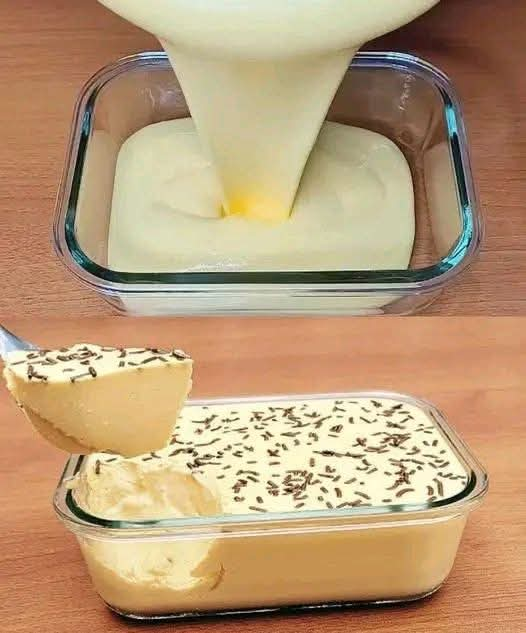
The Cloud of Indulgence: Why Creamy White Chocolate Mousse Is the Dessert That Dreams Are Made Of
There is a specific, almost ethereal quality to a perfectly made mousse. It sits on your spoon, trembling slightly, defying gravity with its airy structure. It looks substantial, yet it dissolves on your tongue like a sweet, creamy cloud. It is dessert as alchemy—the transformation of simple ingredients into something that feels almost magical.
White chocolate mousse takes this alchemy and elevates it to an art form. The sweetness of white chocolate, the richness of cream, the lightness of whipped egg whites—together they create a dessert that is simultaneously decadent and delicate, indulgent and ethereal. It is the kind of dessert that makes dinner guests close their eyes and sigh. It is the kind of dessert that feels special, even when it is made on a Tuesday night.
And here is the best part: it requires no baking. No tempering. No complicated techniques. Just a few ingredients, a little patience, and the willingness to whip cream and fold gently. It is foolproof enough for a beginner, elegant enough for a dinner party, and delicious enough to become your signature dessert.
If you are searching for easy no-bake desserts that look like they came from a French patisserie, or if you need elegant white chocolate recipes that impress without stress, this mousse is your answer. It is the proof that the most sophisticated desserts are often the simplest. It is the cloud of indulgence you deserve.
The History of Mousse
The word “mousse” is French for “foam,” and that is exactly what this dessert is—a sweet, airy foam. The concept dates back to the 18th century, when French chefs began experimenting with incorporating air into sweet and savory preparations. The first chocolate mousses appeared in the 19th century, and by the early 20th century, mousse had become a staple of French cuisine.
White chocolate mousse is a more modern creation, made possible by the widespread availability of quality white chocolate. Unlike dark chocolate, which has been used in desserts for centuries, white chocolate is a relative newcomer. It was first mass-produced by Nestlé in the 1930s, using cocoa butter, sugar, and milk solids. Since then, it has become a beloved ingredient in its own right, prized for its creamy sweetness and its ability to pair with almost any flavor.
The Anatomy of Perfect White Chocolate Mousse
Great white chocolate mousse has four essential components, each requiring careful attention.
The White Chocolate: Quality matters. White chocolate is not actually chocolate—it contains no cocoa solids, only cocoa butter, sugar, and milk solids. The best white chocolate has a high percentage of cocoa butter (at least 20%) and real vanilla. Avoid “white baking chips” which often contain no cocoa butter at all.
The Cream: Heavy cream, whipped to soft peaks, provides structure and richness. Do not substitute; this is not the time for low-fat alternatives.
The Egg Whites: Whipped egg whites create the ethereal, airy texture that defines mousse. They must be handled carefully to maintain their volume.
The Flavorings: Vanilla is classic. A pinch of salt enhances everything. Beyond that, the possibilities are endless.
The Ultimate Creamy White Chocolate Mousse Recipe
Yield: 6-8 servings
Ingredients:
· 8 oz high-quality white chocolate, finely chopped
· 2 cups heavy cream, divided
· 3 large egg whites, at room temperature
· 2 tablespoons granulated sugar
· 1 teaspoon vanilla extract
· Pinch of salt
Optional Garnishes:
· Fresh raspberries or strawberries
· Chocolate shavings
· Mint sprigs
· Berry coulis
· Toasted almonds or pistachios
Instructions:
Phase One: Melt the White Chocolate
Prepare a Water Bath: Fill a small saucepan with about 1 inch of water and bring to a simmer. Place a heatproof bowl over the saucepan, making sure the bottom of the bowl does not touch the water.
Melt Chocolate: Place the chopped white chocolate in the bowl. Heat gently, stirring occasionally, until the chocolate is completely melted and smooth. Remove from heat and let cool slightly.
Alternative Method: Microwave the chocolate in 20-second intervals at 50% power, stirring between each interval, until melted and smooth. Be careful; white chocolate scorches easily.
Phase Two: Whip the Cream
Chill the Bowl: For best results, chill your mixing bowl and beaters in the refrigerator for 15 minutes before whipping cream.
Whip to Soft Peaks: Pour 1½ cups of the heavy cream into the chilled bowl. Beat on medium-high speed until soft peaks form—the cream should hold its shape but still be soft and billowy. Do not over-whip; you want soft peaks, not stiff.
Refrigerate: Place the whipped cream in the refrigerator while you prepare the remaining components.
Phase Three: Whip the Egg Whites
Room Temperature Eggs: Egg whites whip to greater volume when they are at room temperature. If your eggs are cold, place them in a bowl of warm water for 5-10 minutes.
Whip to Soft Peaks: In a clean, dry bowl (any trace of grease will prevent proper whipping), beat the egg whites with an electric mixer on medium speed until foamy. Gradually add the sugar, 1 tablespoon at a time, and continue beating until soft peaks form—the peaks should curl over when the beater is lifted.
Do Not Overwhip: Stop at soft peaks. Overwhipped egg whites become dry and grainy and will not fold smoothly into the mousse.
Phase Four: Temper the Chocolate
Warm the Remaining Cream: In a small saucepan or microwave, warm the remaining ½ cup of heavy cream until it is hot but not boiling.
Combine with Chocolate: Pour the warm cream over the melted white chocolate. Whisk gently until smooth and fully combined. This creates a ganache-like base.
Cool Slightly: Let the mixture cool to room temperature. It should be warm but not hot. If it is too hot, it will deflate the whipped cream and egg whites.
Phase Five: Fold Everything Together
Fold in Whipped Cream: Gently fold about one-third of the whipped cream into the white chocolate mixture to lighten it. This is called “tempering” the mixture. Then fold in the remaining whipped cream gently but thoroughly, using a spatula and a gentle folding motion. Do not stir; stir deflates.
Fold in Egg Whites: Add the whipped egg whites to the mixture. Gently fold until no white streaks remain. The mixture should be uniform in color and texture, but do not overfold or you will deflate the mousse.
Add Vanilla and Salt: Gently fold in the vanilla extract and a pinch of salt.
Phase Six: Chill and Set
Portion: Spoon or pipe the mousse into serving dishes—ramekins, wine glasses, or small dessert cups.
Chill: Refrigerate for at least 4 hours, preferably overnight. The mousse needs time to set and firm up.
Garnish: Before serving, garnish with fresh berries, chocolate shavings, mint, or a drizzle of berry coulis.
Phase Seven: Serve
Serve Cold: Mousse should be served cold, straight from the refrigerator.
Enjoy: Watch your guests close their eyes and savor each bite.
The White Chocolate Question
White chocolate varies widely in quality. Here is what to look for.
Real White Chocolate: Contains cocoa butter, sugar, milk solids, and vanilla. The cocoa butter content should be at least 20%. The ingredients list should not include vegetable oils or fats.
White Baking Chips: Often contain no cocoa butter at all—just sugar, milk solids, and vegetable oil. They will not melt smoothly and will not create the same luxurious texture. Avoid them.
Couverture White Chocolate: The highest quality, with extra cocoa butter for a silky texture. Worth seeking out for special occasions.
Chopping: Finely chop the chocolate so it melts evenly and quickly.
The Cream Situation
Heavy cream is essential. Here is why.
Heavy Cream vs. Whipping Cream: Heavy cream has a higher fat content (36-40%) than whipping cream (30-35%). Higher fat content whips more stably and creates a richer mousse.
Divided Use: The recipe uses cream in two ways: most is whipped, a small amount is warmed to melt with the chocolate. This two-step method ensures the chocolate blends smoothly without seizing.
Temperature: Cold cream whips best. Chill your bowl and beaters for best results.
The Egg White Technique
Raw egg whites are a traditional component of mousse. Here is what to know.
Safety: If you are concerned about consuming raw egg whites, use pasteurized eggs or an alternative method. Pasteurized egg whites in a carton also work, though they may not whip to quite the same volume.
No Fat: Any trace of fat or grease will prevent egg whites from whipping properly. Ensure your bowl and beaters are impeccably clean.
Sugar: Adding sugar gradually stabilizes the egg whites and contributes to the mousse’s structure.
Soft Peaks: Stop whipping when the peaks are soft and billowy. Overwhipped egg whites become dry and difficult to fold.
The Folding Technique
Folding is the most critical technique in mousse-making. Here is how to do it.
Use a Large Spatula: A rubber spatula is ideal. It should be large enough to move through the mixture efficiently.
Cut and Fold: Cut down through the center of the mixture, scrape along the bottom, and bring the spatula up and over, rotating the bowl as you go. Repeat.
Be Gentle: The goal is to incorporate the whipped elements without deflating them. Do not stir; stirring deflates.
Stop When Combined: Stop folding as soon as no streaks remain. A few small streaks are better than overfolding.
The Flavor Universe: Endless Variations
The classic is perfect. But variations are endless.
Raspberry White Chocolate Mousse:
Swirl ½ cup raspberry puree into the finished mousse before chilling. The tartness of raspberries perfectly balances the sweetness of white chocolate.
Lemon White Chocolate Mousse:
Add 2 tablespoons lemon zest and 2 tablespoons lemon juice to the white chocolate mixture. The lemon brightens and cuts the richness.
Matcha White Chocolate Mousse:
Add 1 tablespoon matcha powder to the white chocolate mixture. The earthy, slightly bitter matcha balances the sweetness beautifully.
Coconut White Chocolate Mousse:
Use coconut milk for half the cream. Add ½ cup toasted coconut to the finished mousse. This is tropical and divine.
Mint White Chocolate Mousse:
Add 1 teaspoon peppermint extract to the finished mousse. Garnish with crushed candy canes for a holiday version.
Coffee White Chocolate Mousse:
Add 1 tablespoon instant espresso powder to the warm cream before mixing with chocolate. The coffee deepens the flavor.
Salted Caramel White Chocolate Mousse:
Swirl ¼ cup salted caramel sauce into the finished mousse. The salt and caramel are perfect with white chocolate.
The Make-Ahead Advantage
Mousse is the ultimate make-ahead dessert.
Same Day: Make it in the morning, serve it that evening. Four hours is sufficient chilling time.
Day Before: Ideal. The mousse sets perfectly and the flavors meld.
Two Days Ahead: Still excellent. The texture may be slightly firmer but still delicious.
Do Not Freeze: Mousse does not freeze well. The texture becomes icy and the structure breaks down.
The Serving Question
How to serve white chocolate mousse? Here are elegant options.
In Ramekins: Classic and simple. Serve with a small spoon.
In Wine Glasses: Elegant, allows the layers to be seen. Perfect for dinner parties.
In Mason Jars: Rustic and charming. Great for casual gatherings or gifts.
With Berries: Fresh raspberries or strawberries are the perfect accompaniment. Their tartness cuts the richness.
With Cookie Crumbles: Sprinkle with crushed shortbread or butter cookies for texture.
With Coulis: A drizzle of raspberry or passion fruit coulis adds color and flavor.
The Garnish Gallery
Make it beautiful. Here are garnish ideas.
Fresh Berries: Raspberries, strawberries, or blueberries add color and freshness.
Chocolate Shavings: Use a vegetable peeler to create curls from a white or dark chocolate bar.
Mint Sprigs: A single mint sprig adds elegance.
Toasted Nuts: Chopped pistachios, almonds, or hazelnuts add crunch.
Edible Flowers: For special occasions, a few edible flowers are stunning.
Citrus Zest: A sprinkle of lemon or orange zest adds color and aroma.
Troubleshooting: When Mousses Go Wrong
The Mousse Is Grainy: Your white chocolate seized, or you did not melt it gently enough. White chocolate is sensitive to heat. Next time, melt slowly and gently.
The Mousse Is Too Soft: You did not whip the cream enough, or you did not chill it long enough. Next time, whip cream to soft peaks and chill thoroughly.
The Mousse Is Too Stiff: You overwhipped the cream or the egg whites. Next time, stop at soft peaks.
The Mousse Deflated: You overfolded, or your mixtures were not at the right temperature. Next time, fold gently and ensure all components are at similar temperatures.
The Mousse Separated: Your chocolate was too hot when you added the cream, or your mixtures were not properly emulsified. Next time, cool the chocolate slightly before combining.
The Mousse Tastes Bland: You under-salted, or your white chocolate was low quality. Next time, use good chocolate and add a pinch of salt.
The Mousse Is Too Sweet: White chocolate is inherently sweet. Balance with tart berries or a citrus component.
The Sentimental Mousse
My mother made mousse for special occasions. Not white chocolate—dark chocolate, her favorite. She would stand at the counter, whipping cream by hand because she did not own an electric mixer, folding in egg whites with a gentle, rhythmic motion that seemed almost meditative. The kitchen would be quiet except for the soft sound of the whisk against the bowl.
When she served it, in small glass cups that had belonged to her mother, there would be a moment of silence at the table. Everyone would take that first bite, close their eyes, and sigh. It was the same every time. It never got old.
When I started making white chocolate mousse, I called her for advice. She did not have a recipe for white chocolate version, but she had principles. “Use good chocolate,” she said. “Whip the cream until it just holds. Fold gently. And for heaven’s sake, don’t rush.”
I have followed her advice ever since. And every time I make this mousse, I think of her in that kitchen, whisk in hand, creating magic from simple ingredients. I think of how she taught me, without ever giving a formal lesson, that cooking is an act of love.
That is the secret, I think. Not the perfect folding technique or the ideal cream consistency or the right white chocolate. The secret is that creamy white chocolate mousse is never really about the mousse. It is about the moments when we take the time to create something beautiful. It is about the people we serve it to, the sighs of pleasure, the quiet satisfaction of a meal well ended.
It is about feeding people, with elegance and care.
Make this mousse for a special occasion. Make it for a dinner party where you want to impress. Make it for yourself on a Tuesday when you need something beautiful. Make it because it is simple and elegant and everyone loves it.
Make it because people like to eat.
And then sit at the table, watching your guests take that first bite, watching their eyes close, watching them savor, and know that you have done something ancient and good.
You have taken white chocolate and cream and eggs and transformed them into a cloud of indulgence. You have created a dessert that feels like magic. You have fed the people in front of you.
That is not just cooking. That is the cloud of indulgence. That is the taste of elegance, made simple.
Memorize this recipe. It will never let you down. It will carry you through dinner parties and special occasions and moments when you need something beautiful.
It is the taste of white chocolate and cream and vanilla. It is the taste of elegance. It is ready whenever you are.
More Recipes You Might Like
-

Honey Garlic Glazed Chicken Wings
Introduction Honey Garlic Glazed Chicken Wings are a delicious combination of crispy chicken wings coated in a sweet, savory, and garlicky glaze. The caramelized honey creates a beautiful glossy finish, while garlic and seasonings add depth and flavor. They are perfect for family dinners, game-day gatherings, parties, or a satisfying appetizer. Origin Honey garlic is…
-

Crispy Meat and Herb
Introduction Crispy Meat and Herb is a hearty, flavorful dish that combines tender, well-seasoned meat with a deliciously crisp exterior and fragrant herbs. It is easy to prepare and makes a satisfying main course for family dinners, gatherings, or weekend meals. Origin Crispy meat dishes appear in many culinary traditions around the world, where browning…
-

Bay Leaf and Clove Herbal Tea
Bay Leaf and Clove Herbal Tea Introduction Bay Leaf and Clove Herbal Tea is a warm, aromatic infusion made with fragrant bay leaves and spicy cloves. It is simple to prepare, naturally caffeine-free, and often enjoyed as a comforting drink after meals or during quiet moments. The combination creates a pleasantly spicy, earthy flavor with…