

Introduction
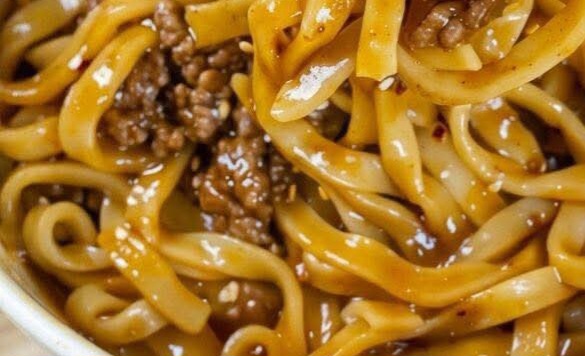
Mongolian Ground Beef Noodles is a savory, satisfying dish that combines tender noodles, seasoned ground beef, and a rich sauce with sweet, salty, and slightly garlicky flavors. This easy meal brings bold taste and comforting textures together, making it ideal for busy weeknights or family dinners. With simple ingredients and quick preparation, it has become a favorite in many home kitchens.
Origin
Despite its name, Mongolian beef dishes are not traditional dishes from . The flavor profile is believed to have been inspired by Asian-style stir-fry cooking and popularized in Chinese-American cuisine, particularly in restaurants across the . This ground beef noodle version is a modern home-cooking adaptation that offers the same bold flavors in a more budget-friendly and convenient form.
Cultural Significance
Dishes inspired by Mongolian-style sauces have become staples in fusion cooking because they balance sweet and savory flavors in a way that appeals to many palates. This recipe reflects how traditional flavor inspirations can evolve into quick, accessible comfort foods enjoyed by families around the world.
Ingredients Quantity
Main Ingredients
- 1 pound (450g) ground beef
- 8 ounces (225g) noodles (lo mein, spaghetti, or linguine)
- 3 cloves garlic, minced
- 1 teaspoon fresh ginger, grated
- ½ cup low-sodium soy sauce
- ⅓ cup brown sugar
- 1 cup beef broth
- 2 tablespoons hoisin sauce
- 1 tablespoon cornstarch
- 2 tablespoons water
- 2 tablespoons vegetable oil
- 3 green onions, sliced
Optional Additions
For extra flavor and texture, you can add:
- 1 cup sliced bell peppers
- 1 cup broccoli florets
- ½ cup shredded carrots
- 1 teaspoon red pepper flakes for heat
- 1 tablespoon sesame oil for deeper flavor
- 1 tablespoon sesame seeds for garnish
Tips for Success
- Cook the noodles just until al dente so they do not become soft when mixed with the sauce.
- Drain excess fat from the beef for a cleaner flavor.
- Dissolve the cornstarch completely before adding it to avoid lumps.
- Taste the sauce before combining everything and adjust sweetness or saltiness if needed.
- Toss the noodles gently to coat them evenly without breaking them.
Instructions
Step 1: Cook the Noodles
Bring a large pot of water to a boil. Cook the noodles according to package instructions. Drain and set aside.
Step 2: Cook the Beef
Heat vegetable oil in a large skillet over medium-high heat. Add the ground beef and cook until browned, breaking it apart as it cooks. Drain excess fat if needed.
Step 3: Add Aromatics
Add minced garlic and grated ginger to the skillet. Cook for about 1 minute until fragrant.
Step 4: Make the Sauce
In a bowl, whisk together soy sauce, brown sugar, beef broth, and hoisin sauce.
Step 5: Thicken the Sauce
Mix cornstarch with water in a small bowl, then stir it into the sauce mixture. Pour the sauce into the skillet with the beef. Cook for 2–3 minutes until slightly thickened.
Step 6: Combine
Add the cooked noodles to the skillet. Toss until everything is evenly coated with sauce.
Step 7: Garnish and Serve
Top with sliced green onions, sesame seeds if desired, and serve warm.
Description
This dish delivers tender noodles coated in a glossy, rich sauce with flavorful ground beef in every bite. The combination of garlic, ginger, soy sauce, and brown sugar creates a comforting balance of sweet and savory flavors.
Nutritional Information
Approximate per serving (based on 4 servings):
- Calories: 520
- Protein: 28g
- Carbohydrates: 48g
- Fat: 24g
- Saturated Fat: 8g
- Fiber: 2g
- Sugar: 14g
- Sodium: 890mg
Conclusion
Mongolian Ground Beef Noodles is a quick, flavorful meal that transforms everyday ingredients into a restaurant-style dinner. Its rich sauce, tender noodles, and hearty beef make it both comforting and satisfying.
Recommendation
Serve with steamed vegetables, a fresh cucumber salad, or a side of stir-fried greens for a complete meal. It also reheats well, making it great for leftovers.
Embracing Healthful Indulgence
Comfort food can still fit into a balanced lifestyle. Adding vegetables, choosing lean ground beef, and using reduced-sodium soy sauce can make this dish lighter while preserving its bold and satisfying flavor.