

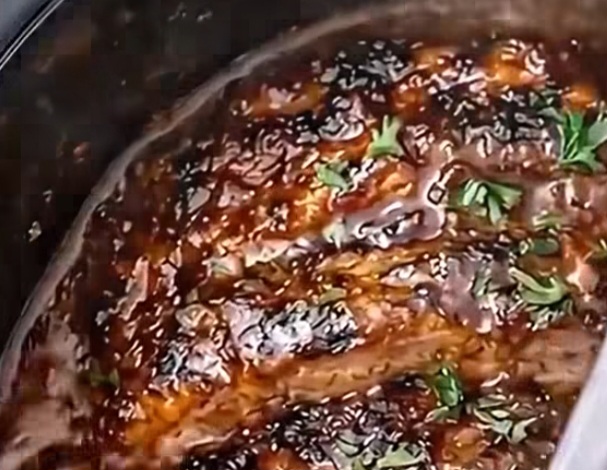
Slow Cooker Beef Brisket
Introduction
Few dishes deliver comfort and satisfaction quite like slow-cooked beef brisket. Rich, tender, and deeply flavorful, this classic dish transforms a traditionally tough cut of beef into a melt-in-your-mouth masterpiece through the magic of low and slow cooking. Whether served for a family dinner, holiday gathering, or special weekend meal, slow cooker beef brisket brings warmth and heartiness to the table with minimal hands-on effort.
Origin
Brisket comes from the breast or lower chest of cattle and has been prepared in kitchens around the world for centuries. Because this cut contains plenty of connective tissue, it was traditionally cooked slowly to tenderize the meat. Slow-cooked brisket became especially popular in American home cooking, Jewish holiday meals, and Southern comfort cuisine, where patience and seasoning create unforgettable flavor.
Cultural Significance
Brisket holds a cherished place in many culinary traditions. In Jewish households, it is often prepared for festive gatherings and holiday celebrations. In Southern and Midwestern American cooking, brisket represents comfort food at its finest. Across cultures, the dish symbolizes family, hospitality, and the beauty of turning humble ingredients into something extraordinary.
Ingredients Quantity
Main Ingredients:
- 3 to 4 pounds beef brisket
- 2 tablespoons olive oil
- 1 large onion, sliced
- 4 cloves garlic, minced
- 2 cups beef broth
- 2 tablespoons tomato paste
- 2 tablespoons Worcestershire sauce
- 2 tablespoons brown sugar
- 1 tablespoon Dijon mustard
- 1 teaspoon smoked paprika
- 1 teaspoon salt
- ½ teaspoon black pepper
- 1 teaspoon dried thyme
- 2 carrots, cut into chunks
- 3 celery stalks, chopped
Optional Additions
To customize your brisket, consider adding:
- Mushrooms for earthy flavor
- Baby potatoes for a complete one-pot meal
- Red wine for deeper richness
- Fresh rosemary for aromatic notes
- Bell peppers for sweetness and color
- A pinch of chili flakes for gentle heat
Tips for Success
- Sear the brisket before slow cooking to develop deeper flavor.
- Choose a well-marbled brisket for maximum tenderness.
- Cook on low rather than high for the best texture.
- Slice against the grain to ensure tender bites.
- Let the brisket rest for 10–15 minutes before slicing.
Instructions
Step 1: Prepare the Brisket
Pat the brisket dry with paper towels. Season generously with salt, pepper, and smoked paprika.
Step 2: Sear the Meat
Heat olive oil in a skillet over medium-high heat. Sear the brisket for 3–4 minutes on each side until browned.
Step 3: Build the Flavor Base
Place onions, carrots, celery, and garlic into the bottom of the slow cooker.
Step 4: Mix the Sauce
In a bowl, combine beef broth, tomato paste, Worcestershire sauce, brown sugar, Dijon mustard, and thyme.
Step 5: Slow Cook
Place the brisket on top of the vegetables. Pour the sauce over the meat. Cover and cook on low for 8–10 hours or on high for 5–6 hours.
Step 6: Rest and Slice
Remove the brisket carefully and let it rest before slicing thinly against the grain.
Step 7: Serve
Serve with the vegetables and spoon the flavorful cooking juices over the sliced meat.
Description
This slow cooker beef brisket is deeply savory, fork-tender, and infused with layers of rich flavor. The beef becomes incredibly juicy while the vegetables absorb the delicious cooking juices, creating a complete and comforting meal.
Nutritional Information
Approximate values per serving (based on 8 servings):
- Calories: 420
- Protein: 38g
- Carbohydrates: 10g
- Fat: 25g
- Saturated Fat: 9g
- Fiber: 2g
- Sodium: 620mg
Conclusion
Slow Cooker Beef Brisket is a timeless recipe that rewards patience with incredible flavor and tenderness. It’s a dependable dish for both casual dinners and memorable celebrations.
Recommendation
Serve this brisket with mashed potatoes, roasted vegetables, buttered noodles, or crusty bread to soak up every drop of the rich sauce. Leftovers also make excellent sandwiches or wraps the next day.
Embracing Healthful Indulgence
A hearty dish like beef brisket can absolutely fit into a balanced lifestyle. Pair it with colorful vegetables or lighter sides for a satisfying meal that delivers both nourishment and comfort.