

Guava Health Claims: Fact vs Reality
Introduction
Guava is a tropical fruit celebrated for its sweet aroma, vibrant flavor, and impressive nutritional profile. Found in many tropical and subtropical regions around the world, guava has long been valued not only as a delicious fruit but also as a traditional remedy in folk medicine. Rich in vitamin C, dietary fiber, antioxidants, and essential minerals, guava is frequently promoted as a “superfruit” capable of supporting everything from digestion to heart health.
However, with so many health claims circulating online and in wellness communities, it is important to separate scientific fact from exaggeration. While guava certainly offers numerous nutritional benefits, not every claim surrounding it is fully supported by evidence. Understanding the real advantages of guava allows people to enjoy it responsibly as part of a balanced diet.
Origin
Guava is believed to have originated in Central America and southern Mexico before spreading throughout tropical regions of the world. Spanish and Portuguese explorers helped introduce guava to Asia, Africa, and the Caribbean, where it quickly adapted to warm climates and became a staple fruit.
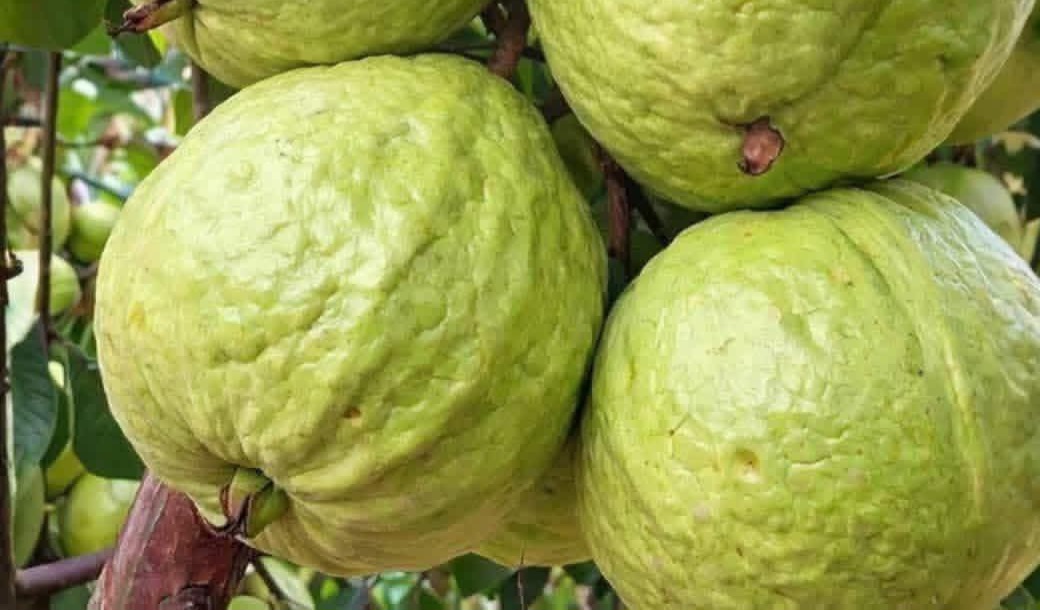
Today, guava is widely cultivated in countries such as India, Brazil, Thailand, Indonesia, the Philippines, Pakistan, and Mexico. Different varieties range in color from pale green to yellow, with flesh that may be white, pink, red, or deep salmon.
Cultural Significance
Guava holds cultural and culinary importance in many societies:
- In Latin America, guava is commonly used in juices, candies, jams, pastries, and desserts.
- In India, guava is often eaten fresh with salt and chili powder and is considered one of the country’s most popular fruits.
- In Southeast Asia, green guava is enjoyed as a refreshing snack and is frequently paired with dipping spices.
- Traditional medicine systems have historically used guava leaves and fruit to support digestion, immunity, and wound healing.
Because guava trees thrive in tropical climates and produce abundant fruit, they are often associated with nourishment, vitality, and natural wellness.
Ingredients Quantity
Basic Fresh Guava Serving
- 2 medium ripe guavas
- 1 teaspoon lemon juice (optional)
- Pinch of sea salt or chili powder (optional)
Nutritional Highlights Per 100g of Guava
- Calories: Approximately 68
- Vitamin C: Over 200% of daily needs
- Fiber: About 5 grams
- Potassium: Around 417 mg
- Protein: About 2.6 grams
- Antioxidants: Rich in lycopene and polyphenols
Optional Additions
To enhance both flavor and nutrition, guava may be paired with:
- Fresh lime juice
- Mint leaves
- Greek yogurt
- Honey
- Chia seeds
- Coconut flakes
- Pineapple or mango
- Black pepper or chili seasoning
These additions can transform guava into smoothies, fruit bowls, salads, or healthy desserts.
Tips for Success
- Choose ripe guavas that yield slightly when pressed.
- Wash thoroughly before eating, especially if consuming the peel.
- The peel contains valuable nutrients and fiber.
- Refrigerate ripe guavas to preserve freshness.
- Avoid overly soft fruit with bruises or fermentation odors.
- Guava seeds are edible, though some people prefer straining them in smoothies.
Health Claims: Fact vs Reality
Claim 1: Guava Boosts Immunity
Fact: Mostly True
Guava is exceptionally rich in vitamin C, often containing more than oranges. Vitamin C supports immune function, collagen production, and antioxidant protection.
Claim 2: Guava Can Cure Diabetes
Reality: Misleading
Guava may help support healthy blood sugar management due to its fiber content and low glycemic index. However, it is not a cure for diabetes and should not replace medical treatment.
Claim 3: Guava Promotes Digestive Health
Fact: True
The high fiber content in guava can support regular digestion and help prevent constipation. Guava leaves have also been traditionally used to soothe digestive discomfort.
Claim 4: Guava Burns Fat Quickly
Reality: Exaggerated
Guava is low in calories and nutrient-dense, making it a smart choice for weight management. However, no fruit alone can “melt fat” without an overall healthy lifestyle.
Claim 5: Guava Supports Heart Health
Fact: Supported by Evidence
Its potassium, fiber, and antioxidant compounds may contribute to healthy blood pressure and cholesterol levels when included in a balanced diet.
Claim 6: Guava Prevents Cancer
Reality: Partially Supported
Guava contains antioxidants like lycopene and vitamin C that help fight oxidative stress. While diets rich in fruits may lower certain health risks, guava itself is not a guaranteed cancer prevention solution.
Instructions
Fresh Guava Snack
- Wash the guavas thoroughly.
- Slice into wedges or cubes.
- Sprinkle with lemon juice if desired.
- Add a pinch of chili powder or salt for extra flavor.
- Serve immediately.
Simple Guava Smoothie
- Blend:
- 2 ripe guavas
- 1 cup yogurt or milk
- 1 teaspoon honey
- Ice cubes
- Strain if smoother texture is preferred.
- Serve chilled.
Description
Guava offers a unique balance of sweetness and mild tartness with a fragrant tropical aroma. Depending on the variety, the texture may range from crisp and apple-like to soft and creamy. The fruit’s vibrant flesh and edible seeds provide both visual appeal and nutritional richness.
Its versatility allows it to be enjoyed raw, blended, baked, juiced, or preserved in jams and desserts.
Nutritional Information
Approximate Nutrition Per Serving (2 Medium Guavas)
- Calories: 112
- Carbohydrates: 24 g
- Fiber: 9 g
- Protein: 4 g
- Fat: 1 g
- Vitamin C: Extremely high
- Potassium: High
- Folate: Moderate
- Antioxidants: Abundant
Conclusion
Guava truly deserves recognition as a nutritious and flavorful fruit with multiple health benefits. Its impressive vitamin C levels, fiber content, antioxidants, and refreshing taste make it an excellent addition to a healthy diet.
At the same time, it is important to approach exaggerated wellness claims with caution. Guava can support overall health, but it is not a miracle cure or replacement for medical care. Enjoying guava as part of a varied and balanced lifestyle offers the most realistic and sustainable benefits.
Recommendation
- Eat guava fresh for maximum nutrient retention.
- Include it in smoothies, salads, or healthy snacks.
- Pair it with protein-rich foods for balanced meals.
- Individuals with medical conditions should consult healthcare professionals before relying on food-based health claims.
Embracing Healthful Indulgence
Guava represents the perfect example of how delicious foods can also nourish the body naturally. Rather than seeking quick fixes or miracle cures, embracing wholesome fruits like guava encourages a balanced approach to wellness rooted in moderation, variety, and enjoyment. By appreciating both the facts and limitations of health claims, people can savor guava confidently as part of a vibrant and health-conscious lifestyle.