

Introduction
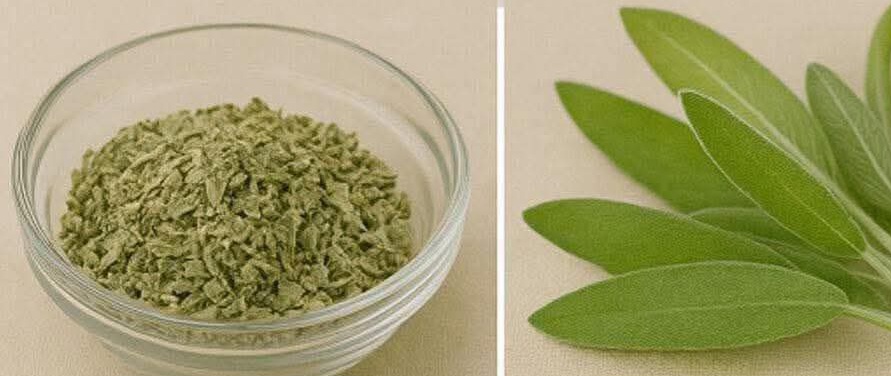
Sage has long been treasured as one of nature’s most remarkable herbs, celebrated for its earthy aroma, culinary versatility, and traditional wellness-supporting properties. Known scientifically as , sage has earned a reputation throughout history as a symbol of wisdom, vitality, and longevity.
Often referred to as the “brain herb,” sage has traditionally been associated with supporting memory, mental clarity, and overall well-being. Its rich concentration of antioxidants and aromatic compounds has made it a beloved ingredient in herbal teas, healing tonics, and flavorful dishes for centuries.
Today, sage continues to be appreciated by wellness enthusiasts and home cooks alike for its comforting flavor and natural health-supportive qualities.
Origin
Sage originates from the Mediterranean region, where it flourished in warm climates and rocky soils. Ancient civilizations including the Greeks, Romans, and Egyptians valued sage highly for both culinary and medicinal purposes.
The Romans considered sage a sacred herb and used it during ceremonial rituals and healing practices. In medieval Europe, sage became a staple in monastery gardens where monks cultivated it for herbal remedies and preservation techniques. Over time, sage spread across Europe, Asia, and the Americas, becoming one of the world’s most recognized traditional herbs.
Its name derives from the Latin word “salvere,” meaning “to save” or “to heal,” reflecting the herb’s enduring reputation in natural wellness traditions.
Cultural Significance
Sage holds deep cultural and symbolic importance across many societies:
- Ancient Greeks associated sage with wisdom and mental sharpness.
- Roman healers considered it a sacred plant for vitality and longevity.
- European herbal traditions used sage to promote comfort during seasonal illnesses.
- Indigenous cultures have used various sage species in purification and ceremonial practices.
- In modern wellness culture, sage represents natural healing, mindfulness, and holistic living.
Throughout history, sage has symbolized protection, knowledge, and the nurturing relationship between humans and nature.
Ingredients Quantity
Basic Sage Herbal Infusion
- 1 tablespoon fresh sage leaves or 1 teaspoon dried sage
- 2 cups hot water
- 1 teaspoon honey (optional)
- 1 teaspoon fresh lemon juice (optional)
Sage Wellness Tonic
- 2 cups water
- 4–5 fresh sage leaves
- 1 slice fresh ginger
- 1 teaspoon honey
- Small squeeze of lemon juice
Optional Additions
Enhance the flavor and wellness experience with:
- Fresh rosemary for herbal depth
- Mint leaves for refreshing brightness
- Cinnamon sticks for warmth
- Chamomile flowers for calming notes
- Turmeric for earthy richness
- Lavender for floral aroma
- Orange slices for citrus sweetness
- Green tea for added antioxidants
Tips for Success
- Use fresh sage whenever possible for the most vibrant flavor.
- Avoid over-steeping sage, as it may develop bitterness.
- Pair sage with citrus or honey to balance its earthy intensity.
- Use filtered water for a cleaner infusion.
- Crush fresh leaves lightly before steeping to release aromatic oils.
- Store dried sage in an airtight container away from sunlight.
- Enjoy sage beverages warm for a soothing experience.
Instructions
Step 1: Prepare the Sage
Rinse fresh sage leaves thoroughly and gently pat them dry.
Step 2: Heat the Water
Bring water to a gentle boil, then remove from heat for about 30 seconds before pouring over the sage.
Step 3: Steep the Infusion
Place sage leaves in a teapot or mug and pour the hot water over them. Let steep for 5–7 minutes.
Step 4: Add Optional Ingredients
Stir in honey, lemon juice, ginger, or other desired additions.
Step 5: Strain and Serve
Strain the leaves if preferred and serve warm.
Description
Sage offers a bold yet comforting flavor profile characterized by earthy, slightly peppery, and subtly minty notes. Its aromatic qualities create a deeply soothing beverage experience that feels grounding and restorative.
When blended with honey or citrus, sage becomes beautifully balanced, delivering warmth and complexity in every sip. The herb’s fragrant steam and golden-green hue evoke a sense of calm and timeless wellness.
Nutritional Information
Approximate Nutrition Per Serving
- Calories: 5–20
- Carbohydrates: 1–5 grams
- Fat: 0 grams
- Fiber: Minimal
- Vitamin K: Naturally present
- Antioxidants: Rich in plant compounds
- Essential oils: Naturally occurring aromatic compounds
Potential Wellness Benefits
- Traditionally associated with memory support
- Contains antioxidant compounds
- May support overall wellness
- Naturally caffeine-free
- Provides comforting warmth and aroma
- Commonly used in traditional herbal practices
Conclusion
Sage remains one of the world’s most cherished herbs for good reason. Its rich history, comforting aroma, and traditional wellness-supporting qualities make it a timeless addition to both kitchen and herbal traditions.
Whether enjoyed as a soothing infusion, culinary seasoning, or wellness tonic, sage continues to connect generations through the enduring wisdom of nature.
Recommendation
For a balanced and enjoyable experience, incorporate sage into a varied wellness routine alongside nutritious meals, hydration, and mindful living practices.
Those new to sage may begin with mild infusions before exploring stronger herbal blends and culinary applications.
Embracing Healthful Indulgence
True nourishment often comes from simple rituals rooted in nature and tradition. Sage invites us to slow down, savor warmth, and reconnect with time-honored herbal wisdom.
By embracing this ancient brain herb, you celebrate not only flavor and comfort but also the enduring beauty of mindful, healthful living—one aromatic cup at a time.