

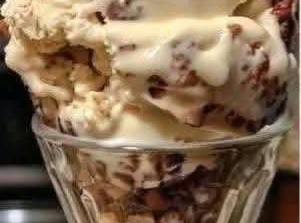
Introduction
The phrase “zero-carb ice cream does not exist” highlights an important nutritional fact. While many ice creams are marketed as low-carb or keto-friendly, virtually all contain at least a small amount of carbohydrates from dairy, sweeteners, flavorings, or stabilizers. However, you can make an ultra-low-carb ice cream that fits well into ketogenic and low-carb lifestyles while delivering a rich, creamy texture.
Origin
Traditional ice cream originated centuries ago, with early frozen desserts evolving in Europe before becoming a beloved treat worldwide. Modern low-carb and keto ice cream emerged in response to growing interest in ketogenic diets, replacing sugar with low-carb sweeteners while maintaining the classic creamy texture.
Cultural Significance
Ice cream is a symbol of celebration, comfort, and indulgence across many cultures. The rise of keto and diabetic-friendly desserts has allowed more people to enjoy frozen treats while supporting their dietary goals. Although truly zero-carb ice cream isn’t achievable with standard ingredients, ultra-low-carb versions have become a favorite among health-conscious consumers.
Ingredients Quantity
- 2 cups (480 ml) heavy whipping cream
- 1 cup (240 ml) unsweetened almond milk
- ½ cup powdered erythritol or allulose
- 1 teaspoon vanilla extract
- ¼ teaspoon xanthan gum (optional, for improved texture)
- Pinch of salt
Optional Additions
- Sugar-free chocolate chips
- Unsweetened cocoa powder for chocolate flavor
- Instant espresso powder
- Cinnamon
- Lemon or orange zest
- Chopped pecans or walnuts
- Unsweetened shredded coconut
Tips for Success
- Use very cold ingredients before mixing.
- Powdered sweeteners create a smoother texture than granulated ones.
- Allulose produces a softer scoop than erythritol.
- Churn according to your ice cream maker’s instructions for the creamiest results.
- Freeze for only 2–4 hours to avoid excessive hardness.
- Let the ice cream sit at room temperature for 5–10 minutes before serving.
Instructions
- In a large bowl, whisk together the heavy cream, almond milk, sweetener, vanilla, salt, and xanthan gum until smooth.
- Chill the mixture for 30 minutes.
- Pour into an ice cream maker and churn until thick and creamy.
- Transfer to a freezer-safe container.
- Freeze for 2–4 hours before serving.
- Allow the ice cream to soften slightly before scooping.
Description
This ultra-low-carb vanilla ice cream is rich, creamy, and satisfying with minimal carbohydrates. It delivers the classic flavor and texture of traditional ice cream while using keto-friendly ingredients, making it an excellent dessert for those limiting carbohydrate intake.
Nutritional Information
Approximate per serving (based on 8 servings):
- Calories: 250
- Protein: 2 g
- Fat: 27 g
- Total Carbohydrates: 2–3 g
- Fiber: 0 g
- Net Carbohydrates: 2–3 g
- Sugar: Less than 1 g
Nutrition values vary depending on the ingredients and sweeteners used.
Conclusion
Despite common marketing claims, a completely zero-carb ice cream is not realistically possible when made with dairy ingredients. Fortunately, ultra-low-carb ice cream offers an excellent alternative, delivering delicious flavor and creamy texture while keeping carbohydrate intake very low.
Recommendation
For the best balance of taste and texture, choose recipes made with heavy cream, unsweetened almond milk, and keto-friendly sweeteners like allulose or erythritol. Always read nutrition labels carefully if purchasing commercial low-carb ice cream, as carbohydrate content varies between brands.
Embracing Healthful Indulgence
Healthy eating doesn’t require giving up desserts—it simply means making informed choices. Ultra-low-carb ice cream can be enjoyed as part of a balanced low-carb or ketogenic lifestyle when consumed in moderation. By focusing on quality ingredients and realistic nutritional expectations, you can satisfy your sweet tooth while staying aligned with your health and wellness goals.