

Introduction
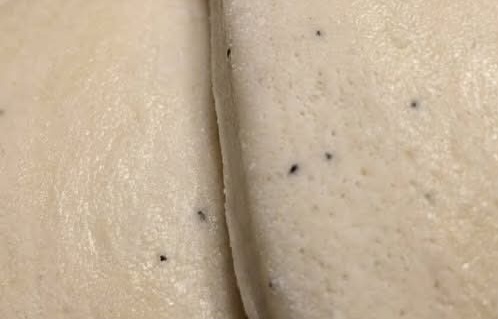
If you’ve ever opened a package of puff pastry or noticed tiny black dots scattered across the dough after baking, you may have wondered whether it’s still safe to eat. In most cases, these small dark specks are completely harmless and are simply a result of natural ingredients or the manufacturing process. Understanding what they are can help you bake with confidence and avoid unnecessary food waste.
Origin
Puff pastry originated in France and has become one of the world’s most beloved laminated doughs. It is made by folding layers of butter into dough multiple times to create the light, flaky texture that puffs beautifully in the oven. Modern commercial puff pastry is produced in large facilities where strict quality standards are followed, though natural variations can still appear.
Cultural Significance
Puff pastry is a staple in many cuisines around the world. It is used for elegant French pastries, savory pies in the United Kingdom, sweet desserts across Europe, and countless appetizers and snacks worldwide. Its versatility makes it a favorite ingredient for both home cooks and professional bakers.
Ingredients Quantity
If you’re making homemade puff pastry, you’ll typically need:
- 2½ cups (315 g) all-purpose flour
- 1 teaspoon salt
- 1 cup (225 g) cold unsalted butter
- ½ to ⅔ cup (120–160 ml) ice-cold water
Common Causes of Black Dots
- Tiny bran particles naturally present in flour
- Small toasted spots that develop during baking
- Vanilla bean specks (in sweet pastries)
- Seeds or spices added to the dough
- Minor oxidation of butter or flour
When to Discard Puff Pastry
Do not use the pastry if you notice:
- Fuzzy mold growth
- Green, blue, pink, or white patches
- Sour or unpleasant odor
- Slimy or sticky texture
- Expired dough that has been improperly stored
Optional Additions
For homemade puff pastry recipes, you can enhance flavor by adding:
- Fresh herbs
- Cracked black pepper
- Parmesan cheese
- Garlic powder
- Cinnamon and sugar for sweet pastries
- Sesame or poppy seeds
Tips for Success
- Keep the dough cold at all times.
- Thaw frozen puff pastry in the refrigerator.
- Avoid overhandling the dough.
- Bake in a fully preheated oven.
- If black dots are tiny, evenly distributed, and the pastry smells fresh, they are usually harmless.
- Always inspect for mold or unusual odors before using.
Instructions
- Remove the puff pastry from its packaging.
- Inspect both sides under good lighting.
- Smell the pastry for any sour or unpleasant odors.
- Check whether the dots are tiny, dry, and evenly scattered.
- If everything appears normal, proceed with your recipe.
- If you notice mold, discoloration, or spoilage, discard the pastry immediately.
Description
The tiny black dots occasionally found on puff pastry are often natural flecks from the flour or minor browning that occurs during processing or baking. These specks are generally harmless and do not affect the flavor or texture of the finished pastry. However, any signs of mold or spoilage should always be taken seriously.
Nutritional Information
Approximate nutrition for one plain puff pastry serving (about 56 g):
- Calories: 170–220
- Protein: 3 g
- Carbohydrates: 18–22 g
- Fat: 10–13 g
- Saturated Fat: 5–7 g
- Fiber: 1 g
- Sodium: 150–250 mg
Nutritional values vary depending on the brand and recipe.
Conclusion
Seeing small black dots on puff pastry is usually not a cause for concern. In most cases, they are simply natural flour specks or harmless browning from the production process. A quick visual and smell check can help you determine whether the pastry is safe to use.
Recommendation
Always purchase puff pastry from reputable brands, store it according to the package instructions, and inspect it before use. If the dough smells fresh and the dots appear natural rather than mold-like, it is generally safe to bake. When in doubt, it’s best to discard the product rather than risk consuming spoiled food.
Embracing Healthful Indulgence
Puff pastry can be part of a balanced lifestyle when enjoyed in moderation. Pair it with wholesome fillings such as vegetables, lean proteins, or fresh fruit to create delicious recipes that combine rich flavor with nourishing ingredients. Mindful portions and fresh, high-quality ingredients allow you to enjoy flaky pastries while maintaining a well-rounded diet.