

Introduction
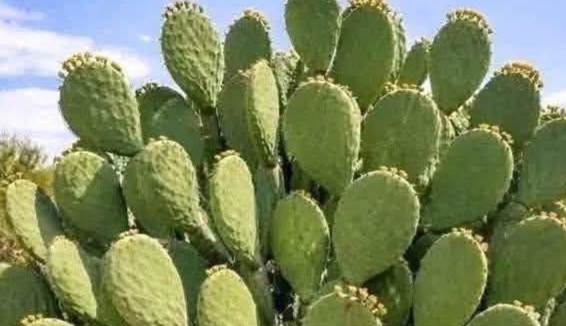
Prickly pear cactus, particularly Opuntia ficus-indica, is a nutritious plant known for both its colorful fruit and edible flat stems, called cladodes or nopal. It has traditionally been consumed as a food and used in folk medicine, especially in Mexico and other regions where cactus grows naturally. The plant provides fiber and various antioxidant compounds, making it an interesting addition to a balanced diet.
Although prickly pear is sometimes promoted as a natural treatment for diabetes, the evidence is more nuanced. Human studies suggest that nopal/cladodes may help reduce post-meal blood-glucose rises, while evidence for the fruit itself is less convincing. It should therefore be viewed as a nutritious food rather than a replacement for diabetes medication or medical care.
Origin
Prickly pear cactus originated in Mexico and Central America and later spread throughout Mediterranean, North African, and other warm regions. Today, Opuntia ficus-indica is widely cultivated in countries with dry and semi-arid climates. It is particularly well adapted to areas where water is limited.
The plant has become an important agricultural and culinary crop in parts of North Africa and the Mediterranean, where both its fruit and young cladodes can be eaten.
Cultural Significance
In Mexican cuisine, nopal has been eaten for generations and is traditionally prepared grilled, boiled, or incorporated into salads and other dishes. Nopal has also played a role in traditional Mexican medicine, including traditional practices related to diabetes.
In Morocco and other Mediterranean regions, prickly pear has also become an important seasonal fruit. Its ability to thrive in dry conditions makes it particularly valuable in areas where conventional fruit crops can be more difficult to cultivate.
Ingredients Quantity
Simple Prickly Pear Health Bowl
- 2 ripe prickly pears
- ½ cup plain unsweetened Greek yogurt
- 1 tablespoon chia seeds
- 1 tablespoon chopped almonds or walnuts
- ½ teaspoon fresh lemon juice
- ¼ teaspoon cinnamon
- 2–3 fresh mint leaves
- Optional: a few fresh berries
Important: Use properly cleaned and peeled prickly pears. Their tiny glochids can be difficult to see and should not be eaten.
Optional Additions
You can customize the bowl with:
- Unsweetened coconut flakes
- Ground flaxseed
- Pumpkin seeds
- A small amount of oats
- Fresh strawberries or blueberries
- A pinch of ginger
- Unsweetened kefir instead of yogurt
- A squeeze of lime instead of lemon
For a blood-sugar-conscious version, avoid adding sugar, honey, sweetened yogurt, or syrup.
Tips for Success
- Handle the fruit carefully: Prickly pears can contain tiny hair-like spines even when the large spines have been removed.
- Choose ripe fruit: It should have vibrant color and yield slightly when gently pressed.
- Keep the recipe unsweetened: The fruit already contains naturally occurring sugars.
- Prioritize the whole fruit: Whole fruit provides fiber and is generally preferable to highly sweetened juices.
- Start with a modest portion: Some people may experience digestive effects such as increased stool frequency, fullness, nausea, or mild diarrhea.
- Don’t treat it as medicine: Evidence for blood-sugar benefits differs substantially between the fruit and the cactus cladode.
Instructions
- Carefully peel the prickly pears and remove the outer skin completely.
- Cut the fruit into small pieces.
- Place the Greek yogurt in a serving bowl.
- Add the prickly pear pieces.
- Sprinkle with chia seeds and chopped nuts.
- Add lemon juice and cinnamon.
- Garnish with fresh mint and optional berries.
- Serve immediately, or refrigerate for 15–20 minutes for a colder, more refreshing bowl.
Description
This simple prickly pear bowl combines the naturally sweet, mildly floral flavor of cactus pear with creamy yogurt, crunchy nuts, fiber-rich chia seeds, and aromatic cinnamon. It makes a refreshing breakfast, snack, or light dessert without requiring added sugar.
Nutritional Information
Nutritional values vary according to the size of the prickly pears and the type of yogurt and toppings used. A serving is generally a source of:
- Dietary fiber from prickly pear and chia seeds
- Protein from Greek yogurt and nuts
- Healthy fats from nuts and chia seeds
- Antioxidant compounds from prickly pear and berries
- Calcium from yogurt
- Naturally occurring carbohydrates and sugars from the fruit
Prickly pear fruit contains water, carbohydrates, fiber, minerals, vitamins, and antioxidant compounds including betalain pigments and flavonoids.
Blood Sugar and Health Benefits
The most important distinction is between the fruit and the cladode.
Research reviewing human studies found that prickly pear cladodes showed more consistent potential for lowering blood glucose, while studies specifically using prickly pear fruit generally did not demonstrate significant effects on glucose or insulin.
Some clinical research has found that eating nopal alongside a carbohydrate-containing meal can reduce post-meal glucose responses in people with type 2 diabetes.
Therefore, prickly pear can be part of a healthy eating pattern, but it should not be described as a proven natural cure for diabetes. People taking glucose-lowering medication should also be cautious because cactus products may affect blood glucose.
Conclusion
Prickly pear cactus is much more than an unusual desert plant. Its fruit offers fiber, nutrients, and antioxidant compounds, while its edible cladodes have attracted scientific interest for their potential effects on post-meal blood glucose. However, current evidence does not support using prickly pear fruit as an alternative treatment for diabetes.
Enjoy it as part of a balanced diet alongside vegetables, whole grains, protein-rich foods, physical activity, and appropriate medical care.
Recommendation
For everyday eating, choose whole fresh prickly pear rather than heavily sweetened juices, syrups, or preserves. Pairing it with protein, fiber, and healthy fats—as in this yogurt bowl—can make it a more balanced snack.
If you have diabetes or take medication that lowers blood sugar, discuss regular use of prickly pear or concentrated cactus products with your healthcare professional rather than changing your treatment yourself.
Embracing Healthful Indulgence
Prickly pear is a beautiful example of how nutritious eating does not have to be boring. Its vibrant color, refreshing flavor, natural fiber, and antioxidant compounds make it an enjoyable addition to a wholesome diet.
The healthiest approach is not to think of prickly pear as a miracle cure, but as one nutritious food among many. Enjoy the fruit mindfully, keep added sugars low, and let its natural sweetness and unique flavor shine.