

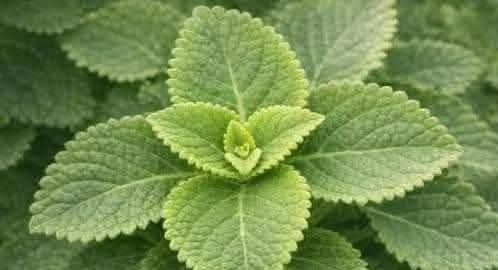
A Scientific Look at Oregano
Introduction
Oregano is much more than a flavorful herb. For centuries, it has been valued in cooking and traditional herbal practices. Modern scientific research has also examined oregano for its naturally occurring compounds, particularly antioxidants and aromatic plant compounds such as carvacrol and thymol. While oregano can be a nutritious addition to a balanced diet, it should be viewed as a food ingredient rather than a cure or treatment.
Origin
Oregano belongs primarily to the mint family, Lamiaceae, and is native to the Mediterranean region and parts of western and southwestern Asia. The name commonly refers to several related plants, with Origanum vulgare being one of the best-known culinary species. It grows well in warm, sunny conditions and has become widely cultivated around the world.
Cultural Significance
Oregano has a long history in Mediterranean cuisine, where it is commonly used with tomatoes, vegetables, grilled meats, seafood, breads, and sauces. It is particularly associated with Greek and Italian cooking. Beyond the kitchen, oregano has also appeared in traditional herbal practices, giving the plant cultural importance that extends beyond its culinary role.
Ingredients Quantity
- 2 teaspoons dried oregano
- 1 teaspoon extra-virgin olive oil
- 1 cup chopped tomatoes, optional
- 1 tablespoon fresh lemon juice, optional
- A small pinch of black pepper
Optional Additions
- Fresh oregano leaves
- Garlic
- Fresh basil
- Red pepper flakes
- Crumbled feta cheese
- Roasted vegetables
- Grilled chicken or fish
Tips for Success
- Use dried oregano for a concentrated, convenient flavor or fresh oregano for a brighter herbal note.
- Rub dried oregano gently between your fingers before adding it to release more aroma.
- Store dried oregano in a tightly sealed container away from heat, moisture, and direct sunlight.
- Oregano works especially well with olive oil, garlic, lemon, tomatoes, and grilled foods.
- Remember that culinary oregano and concentrated oregano essential oil are very different products; essential oils should not be consumed casually.
Instructions
- Place the chopped tomatoes in a bowl if using.
- Add oregano, olive oil, lemon juice, and black pepper.
- Add garlic, basil, or red pepper flakes according to taste.
- Stir gently until everything is well combined.
- Let the mixture stand for 5–10 minutes so the flavors can develop.
- Serve as a topping for grilled foods, vegetables, salads, or whole-grain bread.
Description
Oregano provides a bold, earthy, slightly peppery flavor with a pleasant herbal aroma. Scientifically, oregano contains naturally occurring plant compounds, including phenolic compounds such as carvacrol and thymol, as well as other antioxidants. Research has investigated these compounds for their antioxidant and antimicrobial properties, but laboratory findings should not be interpreted as proof that eating oregano prevents or treats disease.
Nutritional Information
Because oregano is normally consumed in small amounts, its calorie contribution to a meal is minimal. Dried oregano provides small amounts of dietary fiber, vitamin K, and various plant compounds. Its greatest nutritional interest comes from its concentration of aromatic and antioxidant compounds relative to the tiny serving size.
Approximate nutrition for 2 teaspoons dried oregano:
- Calories: 5–6
- Carbohydrates: 1–2 g
- Fiber: About 1 g
- Protein: Less than 1 g
- Fat: Less than 1 g
Values can vary depending on the brand and exact amount used.
Conclusion
Oregano is a flavorful Mediterranean herb with a fascinating history and a growing body of scientific research surrounding its naturally occurring plant compounds. Adding oregano to everyday meals is an easy way to increase flavor without relying heavily on salt or rich sauces.
Recommendation
Use oregano regularly as part of a varied, balanced diet. Sprinkle it over roasted vegetables, salads, soups, beans, eggs, chicken, fish, or whole-grain dishes. For everyday cooking, ordinary culinary oregano is the appropriate choice.
Embracing Healthful Indulgence
Healthy eating does not have to mean sacrificing flavor. Oregano demonstrates how a simple herb can make wholesome foods more aromatic, satisfying, and enjoyable. By combining herbs such as oregano with vegetables, lean proteins, whole grains, and healthy fats, you can create meals that are both delicious and nutritionally balanced.