

Introduction
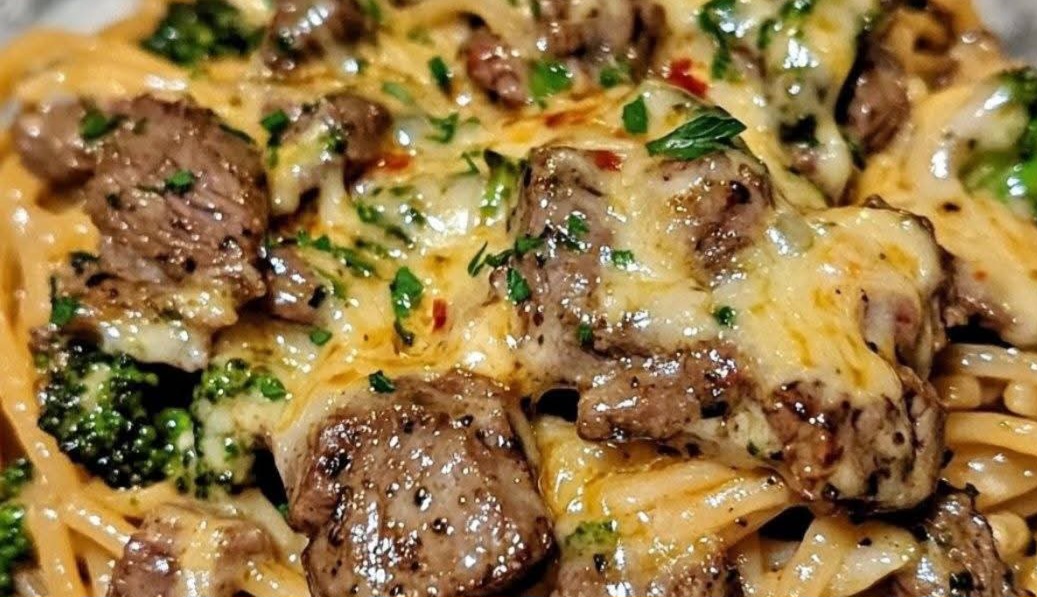
Creamy Steak & Baby Broccoli Alfredo Spaghetti is a rich, comforting pasta dish that combines tender, seasoned steak with fresh baby broccoli and spaghetti coated in a silky garlic Alfredo sauce. It is an easy restaurant-style meal that feels special enough for a weekend dinner while still being simple enough for a busy weeknight.
Origin
Alfredo sauce is traditionally associated with Rome, Italy, where the original version was famously made with butter and Parmesan cheese. Over time, especially in Italian-American cooking, Alfredo evolved into the creamy sauce commonly prepared with heavy cream, butter, garlic, and Parmesan. Adding steak and broccoli creates a hearty modern variation that combines protein, vegetables, and pasta in one satisfying dish.
Cultural Significance
Creamy pasta dishes are popular comfort foods in American households and Italian-American restaurants. Steak Alfredo represents the American tradition of adapting classic Italian-inspired dishes with additional proteins and vegetables. Baby broccoli adds color, freshness, and texture while balancing the richness of the creamy sauce.
Ingredients Quantity
For the Steak
- 1 lb (450 g) sirloin steak, thinly sliced
- 1 tablespoon olive oil
- 1 tablespoon butter
- 2 cloves garlic, minced
- 1 teaspoon Italian seasoning
- 1/2 teaspoon smoked paprika
- 1/2 teaspoon salt
- 1/4 teaspoon black pepper
For the Pasta
- 12 oz (340 g) spaghetti
- 3 cups baby broccoli, chopped
- 1 tablespoon salt for the pasta water
For the Alfredo Sauce
- 2 tablespoons butter
- 3 cloves garlic, minced
- 1 1/2 cups heavy cream
- 1 cup freshly grated Parmesan cheese
- 1/2 teaspoon Italian seasoning
- 1/4 teaspoon black pepper
- 1/4 teaspoon salt, or to taste
- 1/2 cup reserved pasta water, as needed
For Garnishing
- 2 tablespoons chopped fresh parsley
- 2–3 tablespoons grated Parmesan cheese
- A pinch of red pepper flakes, optional
Optional Additions
- Sliced mushrooms for extra earthiness
- Cherry tomatoes for a fresh, slightly sweet contrast
- Spinach for additional greens
- Mozzarella for extra cheesiness
- Crushed red pepper flakes for heat
- A small squeeze of lemon juice to brighten the sauce
- Substitute penne, fettuccine, or linguine for spaghetti
Tips for Success
- Slice the steak thinly and against the grain for maximum tenderness.
- Avoid overcrowding the skillet when cooking the steak so it browns instead of steaming.
- Cook spaghetti just until al dente because it will continue cooking when tossed with the hot sauce.
- Reserve some pasta water before draining. Its starch helps loosen and emulsify the Alfredo sauce.
- Use freshly grated Parmesan because it melts more smoothly than pre-shredded cheese.
- Keep the Alfredo sauce over low heat once the cheese is added to prevent it from becoming grainy.
- Add the steak near the end so it stays tender and juicy.
- Taste before adding extra salt because Parmesan is naturally salty.
Instructions
1. Cook the Spaghetti
Bring a large pot of salted water to a boil. Cook the spaghetti according to the package directions until al dente. During the final 2–3 minutes of cooking, add the baby broccoli to the pasta water.
Reserve about 1/2 cup of pasta water, then drain the spaghetti and broccoli.
2. Cook the Steak
Pat the steak dry and season it with Italian seasoning, smoked paprika, salt, and black pepper.
Heat olive oil and butter in a large skillet over medium-high heat. Add the steak in a single layer and cook for about 2–4 minutes per side, depending on thickness and desired doneness.
Add the minced garlic during the final minute. Remove the steak from the skillet and set aside.
3. Make the Alfredo Sauce
Reduce the heat to medium-low. Add 2 tablespoons of butter to the same skillet.
Add the minced garlic and cook for about 30 seconds until fragrant. Pour in the heavy cream and stir gently. Simmer for 2–3 minutes.
Gradually add the Parmesan cheese while stirring until the cheese melts and the sauce becomes smooth and creamy. Season with Italian seasoning and black pepper.
4. Combine Everything
Add the drained spaghetti and baby broccoli to the Alfredo sauce. Toss gently until everything is evenly coated.
If the sauce is too thick, add reserved pasta water a little at a time until you reach the desired consistency.
Slice the steak into bite-sized pieces and return it to the skillet. Toss gently to combine.
5. Garnish and Serve
Sprinkle with fresh parsley, extra Parmesan, and red pepper flakes if desired. Serve immediately while hot and creamy.
Description
This Creamy Steak & Baby Broccoli Alfredo Spaghetti is rich, savory, and incredibly satisfying. The tender steak provides a hearty, meaty flavor, while baby broccoli adds a pleasant freshness and slight crunch. The spaghetti is coated in a velvety garlic-Parmesan sauce that brings all the ingredients together beautifully.
Nutritional Information
Approximate nutrition per serving, based on 6 servings:
- Calories: 650–720 kcal
- Protein: 35–40 g
- Carbohydrates: 55–60 g
- Fat: 35–42 g
- Saturated Fat: 18–22 g
- Fiber: 4–5 g
- Sugar: 3–5 g
- Sodium: 700–900 mg
Nutritional values can vary depending on the steak cut, cream, Parmesan, and portion size used.
Conclusion
Creamy Steak & Baby Broccoli Alfredo Spaghetti is the perfect combination of indulgent comfort and wholesome ingredients. With tender steak, nutritious broccoli, hearty spaghetti, and a luscious homemade Alfredo sauce, this meal is guaranteed to satisfy the whole family.
Recommendation
Serve this pasta with a crisp green salad and roasted vegetables for a complete dinner. A little extra Parmesan and freshly cracked black pepper on top makes the dish even more delicious. For leftovers, gently reheat with a splash of milk or cream to bring the sauce back to life.
Embracing Healthful Indulgence
You can enjoy this creamy pasta while making a few simple adjustments. Choose a leaner cut of steak, increase the amount of baby broccoli, use whole-grain spaghetti, and slightly reduce the heavy cream and Parmesan. These changes can add more fiber and vegetables while keeping the dish rich, flavorful, and satisfying. Healthful eating doesn’t mean giving up comforting foods—it means finding a delicious balance.