

Introduction
Ginger and cloves are two aromatic spices celebrated for their distinctive flavors and traditional uses in kitchens around the world. When combined in a warm herbal infusion, they create a comforting drink with a spicy aroma and a naturally warming taste. Ginger contains gingerols, while cloves are rich in eugenol, compounds that have been studied for their antioxidant and other biological properties.
Although this combination may complement a healthy lifestyle, it is important to understand that it is not a miracle remedy. Enjoying ginger and clove tea alongside a balanced diet can be a simple and pleasant wellness ritual.
Origin and Cultural Significance
Ginger originated in Southeast Asia and has been used for centuries in Asian, Middle Eastern, African, and other culinary traditions. Cloves are aromatic flower buds native to the Maluku Islands of Indonesia and became valuable ingredients in historic spice-trade routes.
Both spices have long been used in traditional food preparation and herbal practices. Ginger is commonly added to teas, soups, and warming beverages, while cloves are used to flavor drinks, desserts, and savory dishes.
Combining ginger and cloves reflects a long-standing tradition of using everyday kitchen spices to prepare flavorful, warming infusions. Modern research continues to investigate their individual compounds, although many traditional health claims have not been conclusively established.
Ingredients Quantity
Preparation time: 5 minutes Cooking time: 10 minutes Servings: 2 cups
- 2 cups (480 ml) water
- 1 tablespoon freshly grated ginger or 4–5 thin slices of fresh ginger
- 4–6 whole cloves
- 1 teaspoon honey (optional)
- 1 teaspoon fresh lemon juice (optional)
Optional Additions
You can personalize this drink with a few simple ingredients:
- Cinnamon stick: Adds a sweet, warming aroma.
- Fresh lemon juice: Provides a refreshing citrus flavor.
- Honey: Adds natural sweetness; use sparingly.
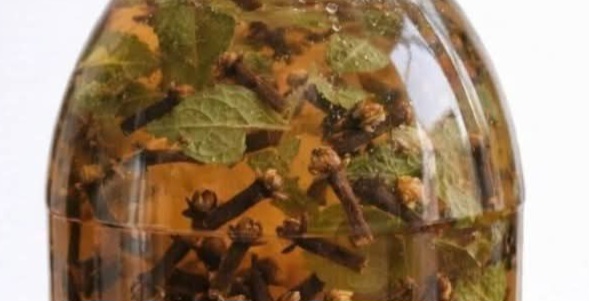
- Fresh mint leaves: Give the infusion a cooling, refreshing finish.
- Orange peel: Adds a gentle citrus fragrance.
- Turmeric: Provides an earthy flavor and additional plant compounds.
Avoid adding too many spices at once, especially if you are sensitive to strong flavors or experience stomach irritation.
Tips for Success
- Use fresh ginger: Fresh ginger creates a brighter, more pronounced flavor.
- Choose whole cloves: Whole cloves are easy to remove after steeping and provide a balanced aroma.
- Simmer gently: A gentle simmer helps extract flavor without excessively reducing the water.
- Adjust the strength: Start with fewer cloves if you prefer a milder drink.
- Add honey after cooling slightly: This makes it easier to dissolve and preserves the drink’s delicate aroma.
- Strain before serving: Remove all ginger pieces and cloves for a smoother infusion.
- Enjoy in moderation: Strong spice infusions may cause heartburn or stomach discomfort in some people.
Instructions
Step 1: Prepare the ingredients.
Wash and slice the fresh ginger. Measure the cloves and water.
Step 2: Heat the water.
Pour 2 cups of water into a small saucepan and bring it to a gentle boil.
Step 3: Add the spices.
Add the ginger and whole cloves to the water.
Step 4: Simmer.
Reduce the heat and simmer for approximately 8–10 minutes to develop the flavors.
Step 5: Let it steep.
Remove the saucepan from the heat and allow the mixture to rest for another 2–3 minutes.
Step 6: Strain the infusion.
Pour the liquid through a fine strainer into two cups.
Step 7: Add optional ingredients.
Stir in lemon juice or a small amount of honey if desired.
Step 8: Serve warm.
Sip slowly and enjoy the fragrant, spicy drink as part of your daily routine if it agrees with you.
Description
Ginger and clove tea is a warm, fragrant infusion with a slightly spicy taste and a rich, earthy aroma. Ginger contributes a fresh, zesty flavor, while cloves add a deep, sweet-spiced note.
The drink is naturally caffeine-free when prepared without tea leaves. It can be enjoyed on a cool morning, after a meal, or during a relaxing evening.
Its main appeal is the combination of flavor, warmth, and simple preparation. It does not need added sugar to be enjoyable, making it easy to adapt to different dietary preferences.
Nutritional Information
Approximate nutritional values per serving, assuming the recipe makes two cups and no honey is added:
| Nutrient | Per serving |
|---|---|
| Calories | 5–10 kcal |
| Carbohydrates | 1–2 g |
| Protein | Less than 1 g |
| Fat | Less than 1 g |
| Added sugar | 0 g |
| Caffeine | 0 mg |
Actual values vary according to the amount of ginger and cloves used and how much of their solids enter the finished drink. Adding honey will increase the calorie and sugar content.
Potential Health Benefits
- Antioxidant compounds: Ginger and cloves contain plant compounds that have antioxidant activity in laboratory studies.
- Digestive comfort: Ginger may help relieve certain types of nausea, although its effects depend on the condition and amount consumed.
- A warming beverage: Drinking the infusion warm may feel soothing and help with hydration.
- Flavor without excess sugar: It offers a flavorful alternative to sweetened beverages when prepared without added sweeteners.
Important note: There is not enough strong clinical evidence to conclude that ginger and clove tea detoxifies the body, burns belly fat, controls diabetes, treats infections, or cures chronic diseases.
People taking blood-thinning medication, those with bleeding disorders, and people preparing for surgery should ask a healthcare professional before regularly consuming concentrated amounts of these spices. If you are pregnant, breastfeeding, or taking regular medication, seek personalized advice before using medicinal quantities.
Conclusion
Mixing ginger with cloves creates a simple, aromatic drink that brings together two familiar kitchen spices. Its warming flavor, easy preparation, and naturally caffeine-free composition make it an appealing addition to a balanced lifestyle.
While ginger and cloves contain beneficial plant compounds, the drink should be viewed as a pleasant herbal infusion rather than a guaranteed treatment for health problems. Consistent healthy habits, including nutritious meals, adequate sleep, regular physical activity, and proper hydration, remain more important for long-term well-being.
Recommendation
For a gentle introduction, prepare one cup using a few slices of ginger and two or three cloves. Adjust the quantities to suit your taste, and avoid making the infusion excessively concentrated.
You can enjoy it occasionally or as part of your usual beverage routine, provided it does not cause discomfort or conflict with medical advice. If you have a specific health concern, consult a qualified healthcare professional instead of relying on this drink as a treatment.
Embracing Healthful Indulgence
Healthy living does not mean giving up comforting flavors. A cup of ginger and clove tea can be a small, enjoyable ritual that encourages you to slow down, stay hydrated, and appreciate natural ingredients.
For a lighter version, skip the honey and enjoy the spices on their own. Pair the drink with balanced meals, fresh fruit, vegetables, and other nourishing foods.
Ultimately, the best approach to wellness is one that combines enjoyment with realistic expectations. Savor the warmth of ginger and cloves, appreciate their distinctive flavors, and let this simple drink complement—not replace—the foundations of good health.